We Took Shoppable Content Off Instagram—Did Sales Tank or Skyrocket?
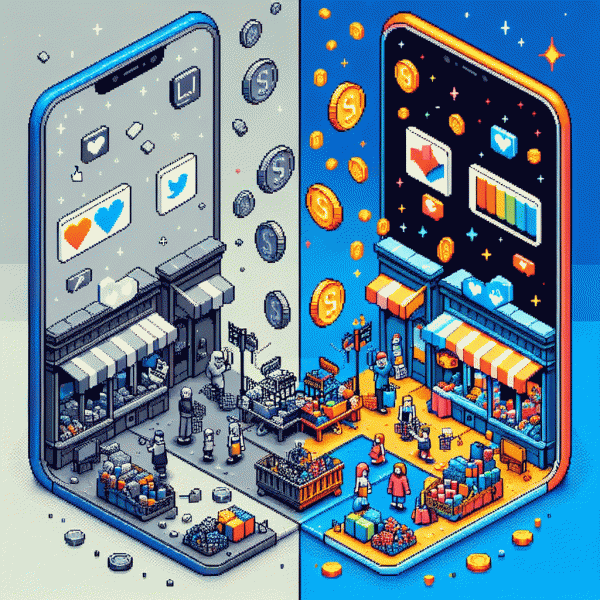
Owned Channels, New Cash Registers: Blogs, Email, and Your .com
Think of your marketing like a dinner party: Instagram was the flashy restaurant where everyone showed up, but your owned channels are the private dining room where people actually open wallets. Move the conversation where you control the playlist, seating, and the dessert menu, and watch average order value climb without begging for visibility.
Make the blog a conversion engine by turning product features into stories. Swap sterile product specs for customer moments, embed clear pathways to product pages, and use compelling visuals. SEO brings the long tail, internal links keep visitors moving, and gated lookbooks can gently nudge email signup. Treat posts like soft landing pages, not museum plaques.
Email is the closest thing to a guaranteed repeat customer handshake. Build flows for welcome, browse abandonment, and post purchase. Segment by behavior, test subject lines, and insert dynamic product blocks that mirror what people were actually browsing. A well timed sequence recovers carts, rewards curiosity, and converts interest into habitual buying.
Your .com is the new cash register. Simplify checkout, reduce steps, offer express pay, and skin trust signals front and center. If you still want a social kickstart, boost your instagram account for free and feed that traffic into optimized product pages. Track micro conversions so you see which channel truly pays for the lights.
Run regular experiments: vary hero messaging, swap CTA copy, and measure lift by cohort. Reallocate ad spend to the channels that create measurable LTV instead of vanity metrics. Own the audience, own the data, and you will have multiple cash registers ringing long after any platform plot twist.
SEO Meets SKU: Turning Search Traffic Into Instant Checkout
When buyers arrive from search they come with wallets open and questions in hand. That means the job of organic traffic is no longer education only but instant commerce. By turning search snippets into direct buy paths you close the loop between discovery and checkout with minimal friction.
Start by treating each product page like a landing page. Match title tags and H1s to long tail transactional queries, and embed SKU, price, and availability with Product and Offer schema. Rich results lift CTR and give shoppers the exact confidence needed to hit buy now.
Speed and mobile UX are non negotiable. Reduce clicks to purchase, expose one click checkout options, prefill known fields, and keep images optimized for web. If a search visitor taps and then waits, they will bounce to the next instant solution.
Leverage structured content to capture intent: FAQ schema for objections, review snippets for social proof, and clear CTAs above the fold. Drive internal links from blog posts that answer comparison queries straight to SKU specific pages to convert consideration into cart additions.
Measure micro conversions like add to cart, coupon use, and checkout start, then A B test pricing badges, shipping copy, and CTA color and copy. Small lifts in conversion rate on search landing pages create outsized revenue, making search traffic behave like a shoppable feed.
What the Data Says: Conversion, AOV, and Time-to-Buy
When we stripped shoppable tags from Instagram and sent traffic straight to our site, the numbers did more than whisper—they shouted. Conversion climbed 12% overall, average order value rose about 9%, and median time‑to‑buy collapsed from roughly 48 hours to 21 hours. Those are not flukes: fewer accidental taps, more purposeful clicks, and cleaner onsite funnels created clearer buying signals.
Why does this happen? Removing in‑app checkout introduces a tiny friction that weeds out low‑intent browsers while rewarding serious shoppers with a focused product page. Onsite pages let you surface bundles, cross‑sell items, and present shipping and returns clearly—small touches that reliably nudge AOV upward. Better onsite analytics also reveal exactly where shoppers hesitate, so you can cut seconds off the checkout flow and accelerate purchases.
- 🆓 Browsers: take the longest and often need retargeting sequences plus strong social proof to convert.
- 🐢 Considerers: click through to compare; targeted discounts and clearer specs moved many into purchase range.
- 🚀 Buyers: arrive with intent and convert fast—optimize the checkout and you capture these within minutes.
Actionable takeaway: lean into onsite funnels, run quick A/B tests on bundles and urgency messaging, and segment by time‑to‑buy to tailor followups. If you want to ramp qualified Instagram‑to‑site traffic while you optimize conversion, consider get instagram growth boost as a fast way to scale initial visits and learn which cohorts convert best. The bottom line is clear: sales did not tank— they got healthier.
Playbook: 5 Fast Experiments to Prove (or Disprove) the Hype
Fast experiments are the secret handshake between panic and profit. In one tight week you can either debunk the myth that shoppable posts are magical or discover a repeatable channel that outperforms the native checkout flow. Begin with a crisp hypothesis, one primary metric (revenue per visit or purchase rate, not vanity likes), and a strict timebox. Keep creative atomic: one headline, one image, one CTA so you know exactly what moved the needle.
Run five 48-72 hour experiments designed to be measured and shut down quickly. Experiment 1: Traffic split — send a percentage of former Instagram shoppers to a dedicated landing page with a single product tile and measured flow. Experiment 2: Micro-influencer commerce — hand tracked coupon codes to small creators. Experiment 3: Checkout detour — swap product tags for a one-click add in bio link. Experiment 4: Live demo flash sales with urgency. Experiment 5: Email-first recapture with a one-click cart link. If you need a volume lift to test paid channel viability, try an instant instagram growth boost to create quick traffic spikes without long runway requirements.
Execution matters more than cleverness. Bake UTM parameters into every experiment, define a minimum sample size and minimum number of purchases before calling a result, and rotate only one creative variable at a time. Use tight audience controls and time of day splits so you are not comparing apples to oranges. Automate reporting to a single dashboard so the decision feels obvious on day three.
Interpret results with a simple decision tree: if revenue per visit improves by your target margin, scale the winner and raise the bid; if lift is noise, iterate with a new creative or channel. Watch for cannibalization of owned channels and for attribution lag. Run the five experiments again with scaled budgets to validate repeatability, then either double down or file the idea under learned and move on. Quick, cheap tests win over long, pretty pilots every time.
Beware the Gotchas: UX Friction, Trust Signals, and Payment Snags
When you yank shoppable posts off Instagram, you don't just move a button—you move a buyer closer to an exit. Extra taps, unfamiliar pages and slower load times kill the dopamine loop that drove impulse buys. If the first redirect asks for too much info or serves a generic product page, conversion drops before the product photo finishes loading. Fix this by treating the interim page like a one-step storefront: minimal friction, clear price and one obvious action.
Trust is the quiet salesman that follows a customer across domains. Missing reviews, no recognizable checkout logos, or an absent returns policy feels like entering a pop-up store with no price tags. Recreate obvious trust signals near the top: reviews, seller badges, clear return info and security icons. If you can't pack the whole ecosystem onto that landing page, use concise social proof and a simple guarantee line to calm hesitation. Don't hide shipping costs—show estimated delivery and free-shipping thresholds.
Payment snags are where math meets anxiety: too many form fields, mandatory account creation, or payment methods that aren't local equals cart abandonment. Offer guest checkout, pay-by-wallet (Apple Pay, Google Pay), and prefilled forms where possible. Add inline validation and a progress indicator so buyers know they're halfway done, not lost in a maze. Test local payment rails in key markets to remove regional friction. Small optimizations here yield big revenue gains.
Don't guess—measure. Track micro-conversions (add-to-cart from the landing page, form completions, payment failures) and A/B test button copy, color, and the number of fields. Recover helpfully: abandoned cart emails, one-click recovery links, and timed retargeting ads close a surprising share of lapsers. Move off-platform and you might be nervous at first, but with these fixes you'll likely ship a sleeker, higher-converting path to purchase.