We Tested Raw, Flashy & Weird — The Winner Will Surprise You
Raw: The unfiltered hook that builds instant trust
The fastest trust-builder is not polish; it is permission to be human. A raw hook throws away the glossy setup and drops the reader straight into a real moment — a flinch, a confession, a messy behind-the-scenes shot — and that small risk tells people you are honest before they even decide to believe you. That instant credibility beats fancy copy nine times out of ten.
Make raw come alive with three small moves: open with a one-line vulnerability, use a single unstaged visual, and finish with a micro-proof — a screenshot, a time stamp, or a quote from a fan. Keep language conversational, avoid over-editing, let awkwardness breathe, and stop overthinking the headline. Those tiny imperfect details multiply into relatability and make people pause long enough to care.
Then turn that pause into a measurable win. Test two raw hooks against a polished version, track click-throughs and micro-conversions, and double down on what creates both trust and action. Monitor comments for sentiment and measure retention too. If you want a quick way to amplify authentic reach while keeping the message real, try get instant real instagram followers as a support tactic — ethics intact, results visible.
Work in short bursts, iterate on the framing, and always prioritize a helpful ending over a hard sell. Raw does not mean sloppy: it means intentional imperfection that earns attention and trust. Make it the opening line of your next experiment, then scale what works and let genuine framing pull people closer faster than any glossy stunt ever could.
Flashy: When high-gloss sells — and when it backfires
Glossy design catches eyeballs because the human brain loves polish. High-shine visuals create an immediate sense of value and can shortcut months of persuasion. Use gloss to signal quality, not to hide weak messaging, and make every pixel earn its place on the screen.
It works best for products where aspiration matters: luxury goods, premium services, and lifestyle brands that sell an idea as much as a thing. Keep the message simple, the hero image decisive, and the call to action unmissable. Rule of thumb: fewer words, stronger image, clearer promise.
The shiny finish backfires when it feels like a mask. Overdesign can create distrust, slow page loads, and alienate audiences who want authenticity. If glossy visuals are not backed by social proof or clear benefits, conversions will drop. To test real-world appeal quickly, try the instagram boosting site to validate creative reach before committing to a full campaign.
Practical checks to avoid chrome that kills results: measure load time, run simple A/B creative tests, and scan for accessibility issues. Prioritize face-time with real users and watch bounce rates closely. Small tweaks to contrast or copy can flip outcomes overnight.
In short, let gloss amplify genuine strengths and never let shine replace substance. Treat high-gloss like seasoning: use enough to enhance flavor, but do not drown the main course.
Weird: Oddball ideas that hijack attention (and how to use them)
Oddball campaigns are the marketing equivalent of a neon sign in a foggy parking lot: they do not ask politely for attention, they demand it. These ideas bend expectation, swap tone or inject surreal details until people stop scrolling. The trick is not randomness for its own sake but a deliberate mismatch that sparks curiosity, laughter or mild bewilderment. Done well, weirdness unlocks shareability and creates memory hooks that plain tactics rarely achieve.
Start by picking one unusual constraint and amplifying it. Try a deliberate malfunction that becomes a punchline, a product in an absurd new context, or a role reversal where customers become the experts and the brand plays the fool. Keep the execution tight and the message simple so the oddity points back to the core offer. Always run a tiny paid test first to measure lift in clicks, watch time or share rate before spending big.
Designing a testable weird idea is a three step process: choose the emotional lever you want to pull, prototype the visual or narrative twist, and lock the conversion path so curiosity becomes action. Use short form video to capture reactions, A B test thumbnails and captions, and set clear KPIs like view through rate, comment sentiment and cost per conversion. Capture qualitative feedback too; sometimes a strange line of comment reveals a new angle to double down on.
To scale without alienating the base, impose guardrails: maintain core brand values, avoid sensitive topics, and plan a fallback creative that is more conventional. Rotate oddball spots with raw or flashy formats so the overall feed feels balanced. Finally, treat weirdness as an experiment, not a style. If it provokes attention and improves your metrics, refine and repeat. If not, archive it and keep the curiosity; the next oddball might be the winner.
Pick your fighter: A simple playbook by goal, budget, and brand stage
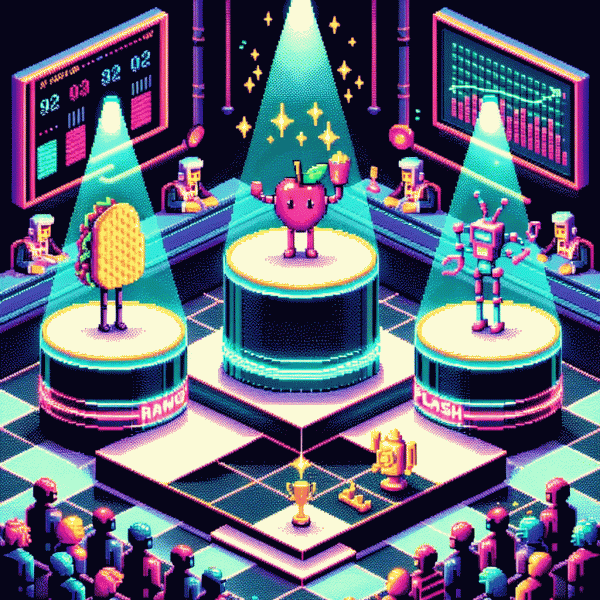
Think of picking a marketing style like selecting a fighter: raw for authenticity, flashy for spectacle, weird for memorability. This short playbook helps you match the move to your objective, your wallet, and where the brand currently lives. No jargon — just quick, tactical choices so you can test the right thing this week without burning brand equity.
If the goal is awareness, prioritize flashy formats: thumb-stopping visuals, trend-ready hooks, and short loops that earn shares and lift reach. For direct response or sales, prioritize raw assets — user-generated content, product demos, and transparent CTAs that reduce friction and boost conversion rate. When the aim is cultural resonance, pick weird: recurring oddities, niche jokes, and POVs that invite fandom and long-term retention.
Budget determines what you can sustain — here is a three-tier cheat-sheet:
- 🆓 Bootstrapped: lean experiments, organic UGC, barter with micro-influencers, and high-frequency posting to learn fast.
- 🔥 Scaled: paid experiments, creative rotations, small-scale production, and iterative optimization to improve CPA.
- 💥 Blockbuster: high-production hero pieces, cross-platform launches, theatrical stunts, and PR hooks that move markets.
Also match tactics to brand stage: startups need fast feedback loops and one clear KPI (trials, signups); growth brands double down on winning creative and add channel diversification; mature brands invest in storytelling frameworks, partnerships, and governance so campaigns do not erode trust. Pick the most actionable metric and optimize towards it.
Final tip: run short A/Bs, document learnings, and iterate weekly. Mix and match raw, flashy, and weird until you find a hybrid that scales. Small experiments with clear measurement beat big bets without data — choose a fighter, set a timer, and let the match begin.
Quick wins: 9 headline and visual prompts to test this week
If you want fast learnings this week, run short shoots across raw, flashy and weird — side by side. Pick a single metric (CTR or saves) and test headline + visual pairs. Keep layouts identical and swap tone: honest, loud, absurd. Small sample, big contrasts = clearer winners.
Nine quick headline + visual prompts to try: Raw — No filter: behind-the-scenes with handheld, grainy photo; Raw — We tried it so you do not have to with a product-in-use closeup; Raw — Real price, no BS with plain text overlay on a neutral backdrop; Flashy — Limited time: 50% off with a glossy product hero and neon gradient; Flashy — Stop scrolling — watch this glow-up with split before/after; Flashy — Hero shot + bold gradient with dramatic lighting; Weird — This is not a meme (or is it?) with a surreal prop; Weird — Reverse tutorial: how to unuse it with a flipped perspective; Weird — Unexpected prop + absurd promise with a bold color pop.
To kickstart reach, sometimes a tiny paid baseline helps: try buy instagram followers as a controlled boost, then measure organic lift. Run 48–72 hour windows, rotate audiences, and freeze creative while you read the numbers. Track CTR, saves, and cost per conversion so you know which tone actually moves the needle.
When one combo outperforms, scale it and then mutate one element at a time. Log results in a simple spreadsheet, celebrate micro-wins, and remember: the weird one might be your secret weapon.