We Tested It: Organic vs Paid vs Boosted—Here’s What Actually Grows Followers Now
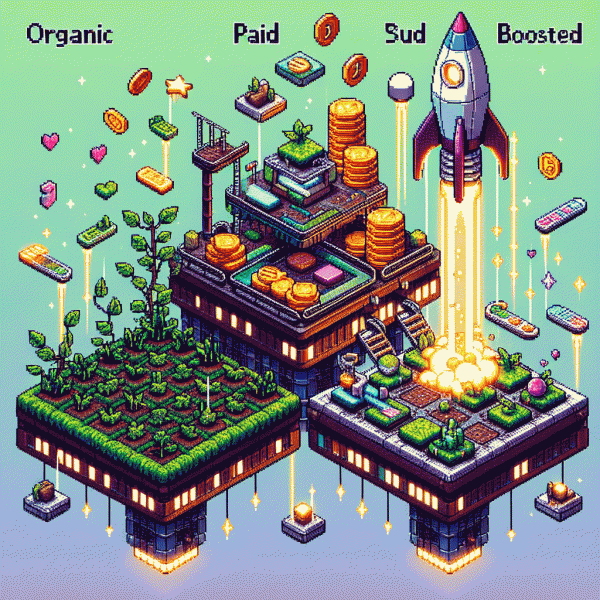
The Plot Twist: Why “Organic Only” Isn’t Dead (It Just Needs a Glow-Up)
Organic channels are far from obsolete; they just need a modern makeover. Audiences now reward clarity, personality, and utility much more than polished perfection or batch-posting for the sake of activity. Think of organic as a relationship engine: it builds trust, signals long term value to algorithms, and seeds the kind of loyal fans who will amplify your paid efforts later. The trick is to stop treating organic as free advertising and start treating it as strategic audience cultivation.
The glow up is practical, not mystical. Swap endless captionless photos for formats that answer a question, solve a tiny problem, or invite micro interaction. Refilm a popular short into a 30 second explainer, turn a thread into a carousel, and give every post a single measurable goal. Use testing windows of 3 to 7 days to see what resonates, then double down on winners. Small changes to timing, thumbnail, and first three lines of text often move the needle more than a content overhaul.
Here are the actions that make organic work again: invest time in hook-first openings, optimize captions for intent, repurpose top clips across platforms, and build micro-communities via comments or group features. Pair those moves with lightweight analytics—track retention and saves, not vanity impressions. When a piece of organic content performs well, amplify it selectively with a tiny paid push to reach similar audiences and accelerate growth without losing authenticity.
In short, organic is not the slow option it used to be; it is the smart foundation. Treat it as your testing lab, loyalty engine, and message filter before scaling. That combination of thoughtful organic work plus targeted boosts is what actually grows followers now.
Boost Button Bingo: When to Tap It—and When to Save Your Cash
Think of the Boost button like espresso: brilliant when you need a jolt, grimly wasteful if you slam it on every post. Use it to amplify a proven winner, not to resurrect low‑engagement experiments. If you're using boosts to chase vanity metrics without a plan, you're paying for shallow impressions—set a clear objective (awareness, clicks, or follows) before you spend so you can actually measure whether the caffeine kick worked.
Tap it when you have a tight audience and a single measurable CTA. Low‑funnel creatives—limited‑time offers, signups, event RSVPs, or product posts—are prime candidates. Start with a micro‑test ($5–$20) and iterate: tweak the copy, swap the thumbnail, or tighten targeting. Watch CPC, CTR, and conversion rate closely; if conversions aren't showing up, pause and revise. If you want platform‑specific shortcuts, try instagram growth booster to learn what resonates before you scale.
Save your cash when the post is vague, unproven, or built around novelty jokes that don't drive action. Don't boost random reels hoping for magic—they need optimized hooks, captions, and a clear next step. Also avoid blasting huge, untargeted audiences: segment by interest, lookalike, or behavior so impressions land on people who might actually convert. And don't boost evergreen content without adding context or a reason to act now.
Quick checklist to run in your head before you hit confirm: one objective, one audience, one CTA, one tiny budgeted test, and a defined metric to kill or scale. Treat boosts as short, surgical bursts that complement your organic plays and longer paid campaigns. Boost smart, not often—your follower count (and wallet) will thank you.
Paid Ads That Print Followers: Targeting Plays That Don’t Torch Your Budget
Paid ad budgets can feel like a money pit unless you treat follower growth as a conversion funnel rather than a vanity metric. Think small bets: run tight audience slices, one creative variant per slice, and a short conversion window so you can see what pulls actual follows. Creative that prompts a follow is different from creative that drives clicks. Make the call to follow front and center, then measure the follow rate as your north star. Think of the funnel as awareness, engagement, follow; optimize each step and be ruthless about killing losers early.
Start with warm audiences and quick lookalikes built from engagers and video watchers. Exclude your existing follower base and recent converters to avoid paying to reengage people who already follow. Use short video or carousel with a single ask, and set frequency caps so you do not exhaust an audience. Dayparting and device targeting can trim wasted impressions, and bidding for lowest cost per action while capping daily spend lets algorithms learn without burning cash.
One practical shortcut is to pair fast testing with a reliable backfill option when the math works. If a 1 percent lookalike generates followers at a reasonable cost, scale by expanding to a 2 percent audience and keep the creative consistent. Match creative tone to audience segment and use a clear follow CTA in the first three seconds of video and in the caption. For reliable services that match this approach consider boost real instagram followers as a temporary growth lever after organic tests prove creative-market fit.
Treat each ad set as an experiment: seven day run, minimum spend to reach about 1,000 impressions, then pause or scale based on cost per follower. Start small, for example $10 per day per ad set, and scale winners to $30 to $50 per day while watching frequency and unit economics. When a funnel consistently lowers cost per follower, reallocate spend and roll out a welcome sequence that converts new followers into engaged fans. Test, measure, scale, and celebrate the followers that actually stick around.
Algorithm-Proof Growth: Hooks, Formats, and Cadence That Compound
Treat the algorithm like a garden and your content like seeds. Start every piece with a magnetic hook that solves a tiny problem, surprises, or promises reward in three seconds. If the first beat does not grab attention, the rest will never get a chance. Practice one swipe stopping opener until you can write it without thinking. That small investment compounds because those extra seconds turn into momentum inside the feed.
Formats are your leverage. Double down on one high-performing medium and spin it into many shapes: a short video becomes a caption thread, a carousel, and a 30 second clip for stories. Make a simple template for the top 20 percent of ideas that work, then repurpose that template across platforms. Consistency in format trains both the algorithm and your audience what to expect, which is far cheaper than chasing novelty every week.
Cadence is compound interest. Aim for a rhythm that you can sustain: for most creators that is 1 to 2 short posts per day plus one long form or deep value drop each week. Batch create, then schedule. Rhythm builds signal strength in the algorithm and creates a habit in followers. When you cannot increase quality, increase cadence intelligently by repeating strong hooks with fresh angles rather than reinventing everything.
Keep testing like a scientist. Measure retention at 3s, 10s, and 30s, swap headlines, and track which format amplifies reach. When a variation works, scale it and slightly mutate it to avoid audience fatigue. Build a tiny library of ready to post hooks, formats, and cadence rules; over months those small, consistent moves compound into real follower growth.
Your 30-Day Split-Test Plan: The Ideal Mix of Organic, Boosted, and Paid
Treat this 30 day plan like a lab experiment with a clear hypothesis: one approach will give the best follower growth efficiency. Split the month into three equal phases of ten days each so you can isolate impact. Keep creative themes stable, change only the amplification method, and lock in three KPIs to track every day: new followers, engagement rate, and cost per follower.
Days 1–10: Organic baseline. Publish your best, highest intent content at a steady cadence (3 posts and daily stories or short form clips). Ramp up community signals by replying to every comment and DM, pinning a conversion post, and asking one simple CTA per post. Use platform analytics and a tracking sheet to record performance each day; this is your control group.
Days 11–20: Boosted experiments. Pick three top organic pieces and boost each to three audience types — existing engagers, lookalike of engagers, and a cold interest audience — with small daily budgets ($5 to $20 per boost). Run each boost for 3 to 4 days and keep creative identical to the organic version. The point is to see which audience and distribution channel turns passive viewers into followers at the lowest cost.
Days 21–30: Paid campaign push. Launch conversion oriented ad sets with distinct creatives and clear follower or landing objectives. Split budget equally across 3 ad sets, test messaging variations, and let algorithms optimize for acquisition after an initial manual learning window. Track cost per follower and downstream engagement quality to spot cheap but low value subscribers versus engaged fans.
Wrap up with a clean analysis: compare raw follower numbers, cost per follower, and 7 day engagement after follow. Declare a winner and adopt a rolling budget: roughly 60 percent to the winning channel to scale, 20 percent to continue boosting top organic posts, and 20 percent to fuel fresh organic content. Repeat the split test quarterly to keep ahead of ad fatigue and platform shifts.