We Ran the Ultimate Creative Cage Match: Raw vs Flashy vs Weird—Guess Who Won?
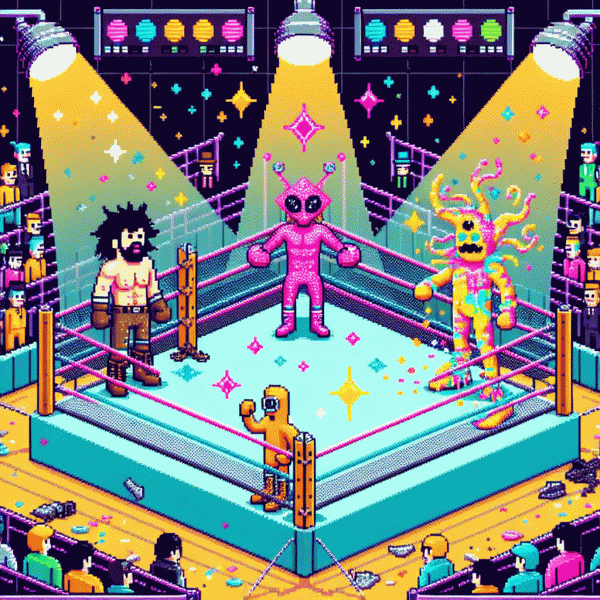
Raw Power: Unfiltered storytelling that turns scrolls into saves
Raw storytelling is the creative equivalent of a backstage pass: grainy lighting, an unscripted laugh, a sentence spilled before the editor had a chance to smooth it out. That friction is magnetic. When creators let texture and truth lead, curious thumbs stop, eyes widen, and the content goes from a flicker in a feed to a saved reference people return to.
Want that reaction? Use three moves: Start with a tiny, specific failure or surprising fact; Show the messy middle with sensory detail and a single raw clip; Close with a crisp insight or micro tutorial the audience can reuse. Keep edits honest: quick jump cuts, ambient noise, and captions that read like a friend talking increase relatability.
Formats that favor raw include a vertical 20 second confession on video, a three slide carousel with a before/mid/after caption, or a threaded post that narrates a real moment. Each invites saving because it is human and useful. When viewers see transferable value, they bookmark for later instead of double tapping and moving on.
Make a tiny experiment: pick one idea, film it in one take, and publish within 24 hours. Track saves and reuse rate rather than vanity metrics. Over time raw stories create a library of trust that outperforms polish in recall, shares, and the kind of community that actually cares.
Flashy That Actually Converts: When polish pays—and when it backfires
Flashy polish is the short attention era superpower: clean typography, a decisive palette, and motion that guides the eye can turn a skim into a click. When done with purpose, polish lowers cognitive load, elevates perceived value, and makes the call to action feel inevitable rather than pushy. Think of it as stage lighting for your message.
But polish can also backfire. Overproduced visuals create suspicion in communities that prize authenticity, they inflate production timelines and budgets, and they bury the actual offer in glossy noise. If your audience expects human quirks or inside jokes, pristine execution will feel tone deaf. Worse, excessive polish can make iterative testing painful and expensive.
A practical filter helps decide where to invest. First, does the design make the core message easier to understand? Second, will it speed or slow your testing cadence? Third, does it respect the audience mood and channel norms? If at least two answers are yes, go for polish. If not, save the budget for better targeting or faster creative cycles and keep one strong focal point per creative.
Run fast A B tests that compare minimal, polished, and hybrid treatments on metrics like CTR and conversion. Use clear tracking and stop losses. If you need a quick reach boost while iterating, consider a targeted growth tool such as buy instant real instagram followers to validate messaging reach before investing in a full production.
In short, polish pays when it clarifies and accelerates action; it backfires when it masks the product or kills speed. The smart play is a remix: ship raw ideas, learn fast, then apply polish that answers real objections. That approach beats polishing in a vacuum every time.
Get Weird, Get Remembered: Why odd beats average in crowded feeds
In a feed where everyone plays it safe, the oddball post is your best ad slot. Strangeness is a built-in interrupt: it pauses scrolls, sparks curiosity and invites explanations. People don't just like weird things — they share them to explain them, turning that initial confusion into conversation. That conversation is where memory lives; brands that cultivate a distinctive quirk are easier to recall than those that look like everyone else. If raw authenticity grabs attention and flashy polish dazzles, a well-placed quirk makes people stop and remember.
The trick is to be intentional, not random. Aim for contrast: pair a mundane setup with a surreal payoff, use a familiar tune with a mismatched visual, or give a product the personality of a pet. Test micro-plays — short, repeatable experiments that let you see what kind of weird your audience actually loves. Keep variables tight: one odd element per post, clear CTA, consistent voice. Run five-day micro-tests, change only the weird element, measure, iterate. Document tone, timing and thumbnails that trigger the biggest lifts. Weird isn't a stunt, it's a repeatable creative strategy.
Try these three small experiments to get comfortable with oddity:
- 🆓 Free: Drop a tiny, unexpected giveaway—“first 10 people who name this sound win”—and watch comments spike.
- 💥 Bold: Swap your thumbnail for a ridiculous close-up; weird visuals boost click-throughs because they break pattern recognition.
- 🤖 Weird: Script a short micro-story where your product talks back in a bad robot voice—humor + anomaly = shareability.
Measure wins by lift in shares, saves, watch time and conversational comments rather than vanity impressions. Archive the small hits, double down, and then scale—oddness is more effective when it becomes a recognizable flavor of your brand. Keep a back-catalog of "weird hooks" to plug into campaigns; rotate winners to avoid novelty burnout. Start with one strange experiment this week; if it makes people stop and laugh or comment, you've already won the attention round—then sell smartly after you've got them curious.
Run the Experiment: Quick A/B tests to crown your champion
Think of A/B testing like a mini tournament where each creative gets a fair shot on the mat. Start by picking one clear metric — clicks, watch time, or signups — and treat everything else as sacred: same audience slice, same budget, same time of day. The goal is to isolate the creative variable so the winner is actually meaningful, not lucky.
Create three tight variants: the raw take, the glossy spectacle, and the oddball with a personality. Keep copy length, CTA placement, and targeting identical. Aim for enough impressions to reach statistical comfort; if you cannot hit significance, extend the run or widen the audience slightly rather than changing the creative midtest.
Run tests simultaneously and rotate creatives to avoid time bias. Track micro signals as you go — early CTR moves, dropoff patterns, comment sentiment — then let the data breathe for at least a few days. Pair quantitative wins with qualitative notes: what line sparked DMs, which image caused confusion, which weird angle actually sparked debate? Those notes are gold for iteration.
Once a champion emerges, scale smart: increase spend in waves and keep an eye on ad fatigue. If you want to amplify a proven creative on social, try get instant real instagram followers to jumpstart social proof and let your winner earn its true audience.
Choose Your Fighter: A plug-and-play guide by goal, product, and platform
Stop guessing and pick the creative that actually matches your objective, product and platform. Think of style as a toolkit: raw footage builds trust, flashy grabs attention fast, and weird rigs for memorability. Below are actionable rules that turn preference into a playbook — no debate stage required.
By goal: if you need consideration or trust, go raw — uncut testimonials, behind-the-scenes demos, authentic voice-overs. If the KPI is rapid reach or sales spikes, flash with punchy hooks, motion and sound. For niche growth and cult affinity, weirdness is your amplifier — unconventional edits, odd humor, and surprise mechanics that reward shares.
By product: technical services benefit from raw explainers and step-by-step proof; physical products want flashy demos and close-up tactile shots; impulse buys love short, weird loops that stop the thumb and create an itch to click. Match the creative intensity to the price point and purchase friction.
By platform: prioritize vertical, fast edits for TikTok and Reels; YouTube and Facebook reward longer raw narratives; LinkedIn needs grounded raw or subtly flashy polish; Twitter and Reddit are homes for weird sparks that start conversations. Adjust length, pacing and caption strategy to fit ecosystem expectations.
- 🚀 Awareness: flashy 3–10s hooks with bold visuals and clear CTA.
- ⚙️ Conversion: raw demos or testimonials that remove doubt.
- 💥 Community: weird, repeatable bits that encourage riffs and UGC.