We A/B Tested Raw, Flashy and Weird: The Surprising Winner Is Not What You Think
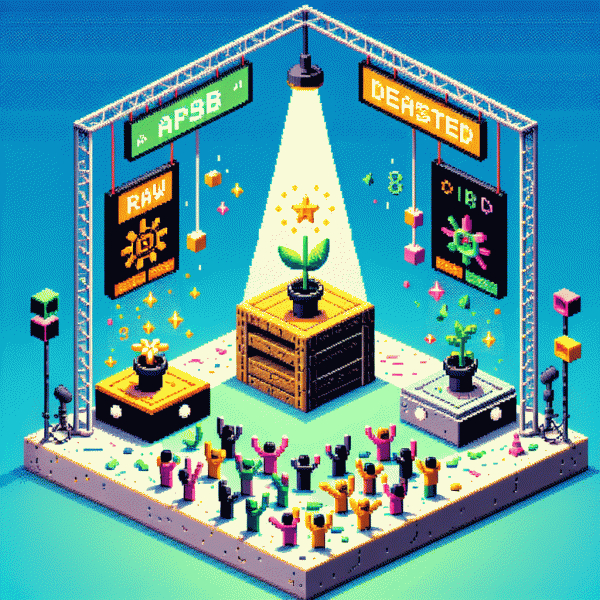
Raw Realness: How imperfection builds instant trust
When a video blinks, stumbles, or shows a crooked product shot, audiences perk up. That tiny imperfection signals there is a human behind the camera, not an algorithmic ad. In our tests the unpolished clips attracted faster engagement because people felt permission to respond. Authenticity becomes a shortcut to trust.
Psychology explains why: flawless content feels engineered and creates suspicion. Imperfection invites projection and relatability; a noisy background, a quick apology, or an untrimmed edit communicates real stakes and real effort. Use candid language and small flaws deliberately to lower barriers and spark the comment that leads to a conversation.
Try simple rituals that favor rawness. Reveal: show the outtakes or the setup for thirty seconds. Label: call out mistakes in captions so viewers do not overthink. Respond: answer the first comments with tone, not templates. These moves are cheap, repeatable, and measurable.
Start an A/B with one polished asset and one intentionally rough cut and measure replies, watch time, and saves. If the rough version wins, scale by keeping the voice consistent while improving clarity, not polish. Track CTR and reply rate over a week to see rawness pay off and convert curiosity into loyalty. The secret is not to be sloppy but to be recognizable as human.
Flashy Finish: Stop the scroll with high gloss and motion
Gloss, motion and a pinch of neon can halt the thumb like coffee for the eyeballs — but only when they're used with purpose. In our A/B runs the flashy variants didn't always win across every KPI, yet when the creative leaned into polished highlights, kinetic cuts and a single visual promise, CTRs climbed and scroll depth jumped. The secret isn't glitter for glitter's sake; it's refined spectacle that communicates value in the first 600–800ms.
Want flash that converts? Try these studio-ready moves:
- 🆓 Hero: Lead with a single striking frame or product close-up — make the first shot unmistakable and instantly legible on small screens.
- 💥 Motion: Use snappy micro-animations (200–800ms) and match cut rhythms to human attention; smooth motion feels premium, jittery motion feels chaotic.
- 🚀 Contrast: Pair glossy highlights with bold type, negative space and skin-tone-safe lighting so shimmer reads as signal not noise.
Execution is the scaffolding: export optimized codecs, short loops, and mobile-first crops so the shine doesn't become a performance tax. Provide a static fallback for slow connections, include readable captions, and place your visual CTA where the eye naturally lands. In cold-audience tests flashy often outperforms plain creative for attention metrics, but it only improves downstream actions when the visual hook is paired with a clear value proposition.
Run a compact experiment: equal spend, identical targeting, a 3–5 day window, and track CTR, view-through rate and micro-conversions. If flashy lifts the funnel, scale it with variant testing on messaging; if it only grabs eyeballs without actions, borrow its polish and swap to raw or weird storytelling lower in the funnel. Playful, polished and purposeful — that's the brief that reliably stops the scroll.
Wonderfully Weird: Turn odd into unforgettable
Weirdness isn't a stunt — it's a memory shortcut. When everything looks polished and predictable, the odd detail becomes the neon arrow pointing at your message. Treat strange like seasoning: a little goes a long way, and its job is to make the customer pause, smile, or say “huh?” long enough to click.
Start small: pick one element to bend. Swap a button label for conversational sass, introduce an unexpected micro-animation, or pair a daring image with calm copy. Keep contrast sharp and intention clear — the goal is curiosity, not confusion. Document the change so your tests tell a clean story.
Run tight A/B/C tests where control is your polished version and one challenger is the mildly odd variant. Measure clicks, scroll depth, micro-conversions and return visits; pay special attention to segments that love novelty. If a weird tweak nudges behavior without tanking trust, you found a pocket of delight.
Quick experiment prompts you can launch this week: replace a CTA with a playful dare; drop a tiny unexpected line in the hero that hints at personality; or add a brief, quirky tooltip that rewards hovering. These are low-cost bets with high signal — they reveal whether your audience is entertained or bewildered.
Keep guardrails: don't overhaul everything at once, and be ready to scale what sticks. Weird is powerful when it amplifies your core promise instead of obscuring it. Iterate rapidly, celebrate the odd wins, and remember: the most memorable ideas are often the ones that dared to be different — then proved it with data.
When Each Style Wins: Use cases, pitfalls, and pro tips
Choosing between raw, flashy, and weird is less about aesthetics and more about outcome. Raw is your go-to when trust and relatability drive action: behind the scenes, candid voice, and human flaws that signal honesty. Flashy suits limited-time offers and campaigns that need immediate attention; invest in motion, contrast, and a one line benefit. Weird is the secret weapon for niche audiences and virality experiments where surprise outperforms polish.
- 🆓 Raw: Use when credibility matters—authentic shots, minimal edits, stories that feel lived-in and human.
- 🚀 Flashy: Use for product drops and paid creative—high contrast, speedy cuts, and a clear CTA in the first second.
- 💥 Weird: Use to spark conversation—oddball hooks, unexpected edits, and polarizing ideas that invite shares.
Pitfalls and pro tips: Raw can look sloppy without framing, so always lead with context and a simple takeaway. Flashy may burn budget fast; test one flashy element per variant to isolate impact. Weird can alienate broad audiences, so run small tests and measure sentiment alongside reach. For a low friction way to validate reach before scaling, try safe instagram boosting service and funnel the top performers into organic creative loops.
Actionable wrap: map style to funnel stage—raw for trust at the top, flashy to nudge conversions in the middle, weird to chase spikes and community buzz. Track short hooks (3 second retention), engagement mix, and comment tone. Iterate fast, kill what is noisy, double down on what moves metrics, and have fun while learning.
Blend Like a Pro: A simple formula to mix styles without chaos
Mixing raw, flashy and weird does not have to look like a blender explosion. Use a simple composition rule: 60/30/10. Make 60% of your posts a steady base that builds recognition, 30% the attention-grabbing flair that amplifies clicks, and 10% the wildcard lab where you try unexpected things. This keeps feeds readable while letting experiments breathe.
The base should feel familiar fast: consistent framing, a recurring color or voice, and content that serves your crowd. For a raw strategy the base could be unfiltered UGC or candid captions; for flashy brands it is clean layouts and bold headlines. Keep one repeating element — a crop style, a sign-off line, or a filter — so audiences anchor the look and you retain memory across tests.
Treat the 30% accent as controlled dopamine: motion, bright overlays, punchy edits, or a distinct sticker. Test one accent at a time so A/B results tell a clear story. If a flash element drives shares but harms watch time, tweak duration or placement rather than dropping it cold. Small rule changes reveal big wins without wrecking the feed.
The 10% wildcard is where the weird earns a seat at the table. Run short bursts, measure lift on conversions or engagement, and fold winners into the 30% slot. Set guardrails: limit wildcards per week, define clear KPIs, and iterate quickly. That way the surprising winner from your tests can graduate from oddball to signature without chaos.