Visual Trends in 2025: 7 Viral Secrets Social Platforms Never Share
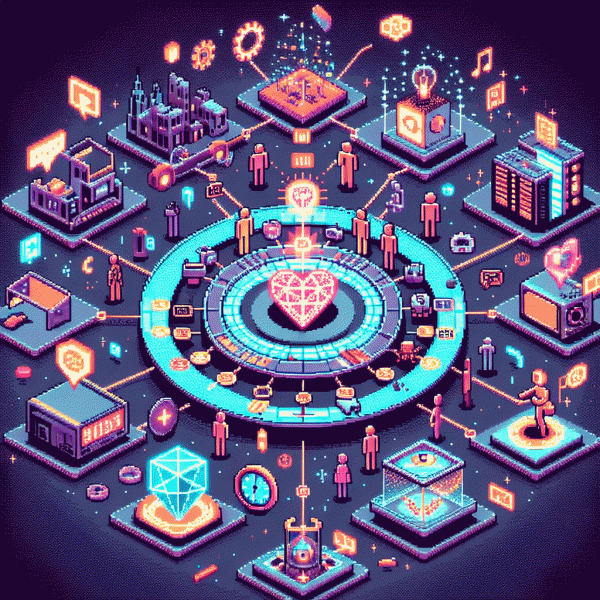
Color Pops and Candy Neons: The palettes that stop the scroll
Think of color pops and candy neons as the party trick on a packed feed: impossible to ignore, slightly indulgent, and instantly memorable. These palettes thrive on high saturation, bold pairings and a willingness to flirt with artificial light — think punchy magentas, electric lime and sugary cyan — acting like visual sugar that stops the thumb mid-scroll.
Use them like contrast bullets: layer a neon accent over a desaturated hero image, or reserve the brightest hue for a single call-to-action button so the eye has one obvious place to land. Pair neon tints with rounded shapes, soft shadows and micro-interactions — a wink of motion will sell the glow far better than a static slab.
If you need fast creative swaps for A/B tests, create three palette variations and run quick polls among real users. For scalable promotional bursts and targeted boosts, consider a lightweight growth partner: best site to buy likes helps amplify visibility so you can learn which neon combos actually convert before you double down.
Don't forget accessibility: drop pure neon text on white — it looks loud but reads poorly. Use high-contrast outlines, semi-opaque backing bars or motion-assisted reveals to maintain legibility. Test with color-blind simulators and low-brightness previews; a clever palette is useless if half your audience can't parse the message.
Quick craft checklist: pick one dominant neon, one neutral ground, and one support tint; limit neon use to focal elements; animate subtly; validate contrast; and measure CTRs within the first 24–72 hours. Embrace candy neons as a strategic accent, not a wallpaper — when used sparingly, they stop the scroll and start the conversation.
3-Second Stories: Micro edits, jump cuts, and loops that hook
Hook in three seconds: treat the first frame like an elevator pitch. Start with motion, a face, or a loud sound — whatever jolts the thumb into a tap. Micro edits should feel frantic but precise: every cut must earn attention. Keep the eye moving and only settle when curiosity is locked.
Jump cuts are your secret handshake with attention. Smash to the next beat at 0.6–0.9 seconds, vary shot scale, and cut on movement to avoid jarring. Add a quick match or speed ramp to suggest continuity, then reward the viewer with a small reveal. Tempo changes make loops feel intentional, not accidental.
Promotion tip: after you nail the craft, amplify reach — consider pairing clips with a cheap tiktok boosting service to velocity-test which edits actually trend. Focus reports on watch-throughs and loop counts, not vanity metrics; a 3–4 second average view proves the hook works and signals the algorithm.
Fast checklist: strong first frame, three sub-second beats, a movement-led jump cut, and a loop that rewinds or resolves. Test with and without captions, swap the stinger, and iterate on the cut that generates the longest replay rate. Treat each three-second story like a tiny ad: concise, surprising, repeatable.
Texture Is the New Filter: Grain, glow, and analog nostalgia
Modern feeds crave tactile detail: tiny imperfections that feel human. Grain, soft halation, light leaks and analog color shifts add depth and underline mood. A whisper of film noise makes shadows richer and highlights bloom, encouraging viewers to linger. Think of texture as storytelling dust—subtle, layered, and intentional rather than noisy or accidental; it helps visuals read like memory instead of a showroom sample.
Start with a neutral base: lower global contrast, lift midtones, and apply a gentle vignette to frame the subject. Add grain at 3–8% opacity using overlay or soft light to keep detail, then build glow by duplicating the image layer, applying gaussian blur (6–12 px) and switching the blend to screen at low opacity. Finish with a tiny RGB split on highlights for analog fringing and export unified presets so every post shares the same tactile language.
- 🆓 Free: use high‑quality stock grain overlays and blend modes to prototype looks without buying plugins.
- 🔥 Experiment: mask halation to bright areas only so texture enhances highlights without flattening contrast.
- 🚀 Scale: create three intensity presets—low, medium, high—to match mood across reels, carousels, and thumbnails.
Validate with small A/B tests and attention metrics; texture should increase dwell time, not distract. Keep a consistent textural toolkit but vary intensity by content so series feel coherent yet dynamic. Use captions that cue nostalgia and context; when done well, textured visuals turn passive scrolling into a deliberate stop and make your storytelling feel lived in.
AI Meets Aesthetic: Prompts, ethics, and humanizing the output
Think of prompts as your modern brush — a one-line moodboard that tells an AI which light, grain, and attitude to borrow from culture. Good prompts nudge; great prompts choreograph: they set color temperature, era, framing, and emotional weight so the output doesn't just look polished, it feels purposeful.
Make prompts work harder by layering constraints: start with a clear subject, add style anchors like 'cinematic neon noir', include format notes ('square for Instagram, 16:9 for TikTok'), and finish with negative prompts to remove artifacts.
Ethics aren't optional stage props. Ask for permission when training on people's likenesses, avoid recreating identifiable artists' signatures, and flag potential bias in outputs. If something could be mistaken for real evidence, label it as synthetic — your legal and moral risk goes down when transparency goes up.
Humanize the final image: add subtle flaws, tune expressions, and insert microcopy that feels human. Let creators iterate on outputs; the best AI visuals are co-authored, not outsourced. Treat AI like an intern who sketches fast but needs your taste.
A/B test variations across platforms, write captions that explain intent, and use accessible alt text. Experiment often: repeat what works and treat surprises as seeds, then systematize your prompts and critique.
Caption Chemistry: On-screen text that teases, tags, and converts
Think of on-screen text as the pocket guide for fast-scrolling attention: a tiny billboard that teases curiosity, points to tags, and hands users a frictionless next step. In 2025 the smartest creators treat every caption frame like microcopy design — short, shocking, and scannable — because most views start muted and end in action when the words do the heavy lifting.
Write overlays that work for sound-off viewing and loud-mouthed conversions. Keep lines to 2–4 words, choose high-contrast type, and align copy with the beat so text enters like a punctuated sentence rather than a bloated subtitle. Use a single, clear verb in your final frame and pair it with a social cue that invites tagging or sharing. Small typographic moves — bold for the offer, italics for the hook, and a tiny emoji for personality — make the same clip perform very differently across audiences.
- 🆓 Tease: Drop a curiosity hook in the first 1.5 seconds to stop the scroll.
- 🔥 Tag: Prompt people to tag a friend with a playful call that feels like a private joke.
- 🚀 Convert: End with a single action and clear outcome, then repeat visually as a badge.
If you want to accelerate tests or amplify a hit post, try a lightweight promotional lift like authentic instagram boost to validate which caption chemistry scales. Then iterate: swap verbs, test contrast, and measure saves and shares rather than vanity metrics. Small swaps in on-screen copy often beat big production budgets when the goal is viral shareability.