This Simple Trick Turns Clickbait Into Conversions Without Losing Your Soul
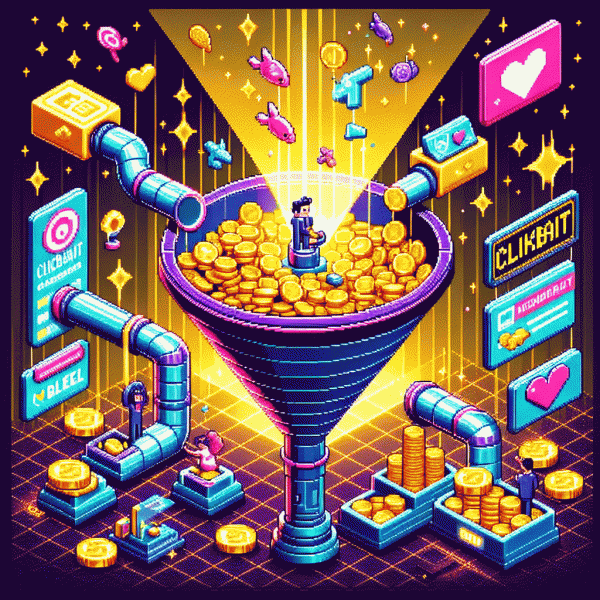
Hook Them Without Hype: Open loops that actually deliver
Think of the hook as an open loop — a tiny question you leave hanging that the reader wants to close. The trick isn't to tease forever; it's to make the gap feel urgent and solvable. When you promise curiosity, promise a deliverable: a quick insight, a tool, or a clear next step that respects the reader's time.
Start with a micro-promise: a sentence that hints at a specific benefit ('how to cut your onboarding time by 50%') rather than vague superlatives. Then immediately provide a bite-sized win — a metric, a one-step checklist or a screenshot — so the loop closes fast. That builds trust and primes people to follow your bigger CTA without feeling tricked.
Use this simple formula: tease + teach + nudge. Tease curiosity with a precise outcome; teach with a tiny, tangible action; nudge toward the next step with a clear, honest option. Add a dash of social proof — a micro-testimonial or result — and you turn curiosity into intent. Curiosity that converts is curiosity rewarded.
Ditch overpromises. Replace 'life-changing' with 'this will save 10 minutes today.' Make the next step frictionless: a one-click download, a fill-in-the-blank template, or a two-question quiz. Micro-commitments lead to macro conversions because people who accept a small offer are far more likely to accept a larger, paid one later.
Run tiny experiments: track which open loops close fastest, measure the lift in email clicks and micro-conversions, then double down. Treat your hooks like hypotheses, not slogans. Wit wins attention, honesty keeps it — and when you actually deliver, those curious clicks become loyal customers.
The 60 40 Rule: Balance sizzle and substance for real results
Think of the 60/40 rule as a recipe: 60 percent charm, 40 percent meat. The charm gets a person to click; the meat turns them into customers. Headlines can flirt, but the page must immediately answer the question the headline provoked with clear next steps and verifiable proof.
Charm is not lies. It is big visuals, curiosity lines, and bold promises that invite investigation. Meat is specifics: numbers, short case studies, transparent pricing, and a simple risk reducer. If a headline promises a breakthrough, the first screen should show a statistic or concrete example that makes the promise believable.
A simple conversion playbook is easy to repeat: open with a hooked one line, follow with a single short proof element, then present one direct call to action. Example micro copy: strong short claim. One sentence of proof with a number. Button with precise outcome. That sequence moves raw clicks into intentional clicks.
Measure both sides. Track click through rate as your sizzle metric and time on page, scroll depth, and conversion rate as your substance metrics. Run rapid A B tests that swap only the sizzle or only the substance so you learn what actually lifts conversions instead of guessing which shiny thing mattered.
Keep ethical guardrails. Avoid bait and switch, fix misleading promises, and label promotions honestly. When substance matches sizzle, customers feel clever rather than tricked, which means higher lifetime value and better word of mouth than any single viral headline could produce.
Quick checklist to apply now: audit your headline and remove any false urgency, add a visible piece of proof above the fold, and give one clear action that delivers a small win. Do these three moves and the clickbait will start paying you back while your credibility stays intact.
From Curiosity to Clarity: The post click value map
Think of the post click path as a little guided tour that starts with curiosity and should end with purchase, signup, or genuine delight. The map is simple: promise, proof, and the polite nudge. If your page answers the curiosity that attracted the click within three seconds, the rest becomes conversion choreography rather than frantic persuasion.
Start with a clear above the fold statement that echoes the hook that brought the visitor. Use a bold value line, quick visual proof, and one obvious action. Replace marketing fluff with one concrete benefit, a tiny demo or stat, and a single CTA. Less options means more conversions because brains hate choices on the fly.
Reduce friction: shorten forms, hide technical jargon, and prefill when possible. Trust signals like tiny logos, a one line testimonial, or a money back promise buy attention back from skeptical visitors. Also ensure speed and mobile friendliness; a clever headline loses to a slow load every time.
Track micro outcomes, not just final sales. Clicks on video, form completions, time on step, and scroll depth are the x and y of your value map. Use them to spot leaks and to A/B the one line that converts. Small lifts compound faster than grand redesigns.
Actionable next moves: 1) mirror the ad or headline within the first three seconds, 2) strip the page to one clear benefit and CTA, 3) instrument three micro-metrics to iterate weekly. Do this and your curiosity-driven traffic will feel seen, understood, and happily converted without selling out.
Headline Swipe File: 7 teasers that teach and convert
Good headlines do two polite things: they teach something useful and they invite the reader to take a tiny next step. This swipe file is a cheat sheet of seven teaser flavors that teach a micro skill and guide readers toward conversion without cheap tricks. Think of each line as a promise you intend to keep.
Use the swipe file like a laboratory. Pick one metric to watch, pick a control, then spin three variants for 48 hours. Measure time on page, click rate, and micro signups. The goal is steady uplift, not viral vanity, so prefer lines that reward attention with insight.
Try these three starter teasers and riff on the rest:
- 🆓 Curiosity: What most creators miss about headlines and a 30 second fix that boosts attention and clarity.
- 💥 Quick: One micro tweak you can do right now to increase clicks without sounding cheap or manipulative.
- 🤖 Proof: A tiny case study showing the exact line that lifted conversions and the simple reason it worked.
If you want plug and play options to boost initial social proof, get free instagram followers, likes and views and then adapt these lines to your brand voice and audience values for ethical amplification.
Final tactical beat: swap verbs, test numbers versus benefit, and keep the headline promise inside the content. If a teaser feels like bait and switch, scrap it. Convert with clarity and the audience will stay for the long game.
Metrics That Matter: CTR vanity vs retention and revenue reality
Clicks can be addictive. A headline that screams and a thumbnail that betrays the article will spike CTR fast, but that is not the same as value. CTR is a thermometer, not a bank account. High click rates feel good in dashboards yet can hide waterfalls of churn: people who bounce, ignore your product, and never buy.
Swap vanity for velocity by tracking the right numbers. Beyond CTR, watch post-click conversion rate, retention by cohort, and average revenue per user. Pairing CTR with a short funnel snapshot tells the real story: did that click become a session, a signup, a purchase, a repeat customer? If not, the headline may be stealing attention without building trust.
Practical test plan: create two headline buckets that drive similar CTR, but route traffic to different micro-commit offers. Measure retention at day 1 and day 7 and the proportion of users who move from free to paid. Score traffic quality by these downstream events and kill any creative that spikes clicks but fails at the second act. For quick outreach tests consider free instagram engagement with real users to simulate realistic behavior while you optimize for value instead of vanity.
The trick is simple and repeatable: use CTR to discover, not to celebrate. Celebrate when a headline brings users who stick, buy, and tell friends. That is how clickbait becomes conversion craft without losing your soul.