The Shockingly Simple Funnel That Converts—No Social Traffic Needed
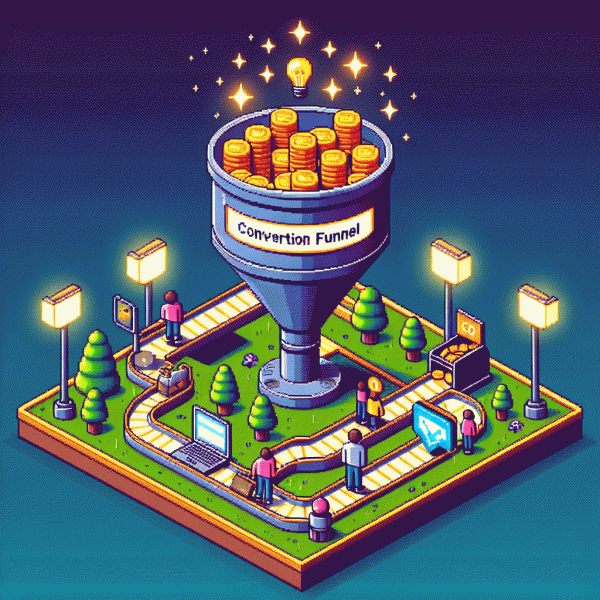
Start Here: Map a zero-social buyer journey in 20 minutes
Ready to design a buyer journey that converts without any social media smoke and mirrors? Begin by picking one clear promise your product delivers and the smallest action that proves interest — a download, an email opt-in, a quick quiz result. Sketch a two-sentence buyer portrait: role, biggest pain, top desired outcome, and the single reason they would trade an email for your offer.
Run a 20-minute sprint with a stopwatch: 0–5 minutes, lock the promise and one value metric; 5–10, write the landing headline and the single CTA; 10–15, choose a zero-social distribution path — organic SEO page, targeted email blast, marketplace placement, organic partnerships, or a referral list; 15–20, map the micro-conversions, checkout and the thank-you flow that delivers immediate value.
Build the minimum viable page: outcome-first headline, three short bullets that remove risk, a visible demo or screenshot, price or trial terms, and one bold CTA. Add two trust signals like exact results or a short testimonial and a simple guarantee. For quick distribution signals, you can seed traffic through partners — for example buy telegram boosting service — then watch which touchpoints actually move the needle.
Instrument only two metrics to keep decisions fast: micro-conversion to CTA and cost per first customer. Run one A/B test (headline or price) for 48 hours, tweak copy, and iterate. When you finish this map in 20 minutes you will have a repeatable, testable funnel that scales and frees you from begging for social attention.
Traffic that buys: SEO, email, affiliates, and partnerships
If you want traffic that actually buys, treat SEO, email, affiliates and partnerships not as separate lanes but as a single, revenue-first funnel. Each channel can feed a buyer at a different moment: search brings intent, email nurtures intent into action, affiliates bring ready-to-buy audiences, and partnerships scale trust quickly.
Make SEO more than rank chasing. Map keywords to funnel stages, build content clusters around purchase intent, and optimize pages for conversions with clear CTAs and one-click opt-ins. Fix page speed and schema, then amplify high-converting posts with internal links and a simple lead magnet to turn readers into prospects.
Treat email as a conversion engine. Capture with contextually relevant lead magnets, run a concise welcome sequence (think five emails) that teaches, reassures and asks for a small first action. Use behavior triggers for cart recovery and product interest, and segment by activity so messages are always timely and impossible to ignore.
Recruit niche affiliates with trackable offers and generous, clear commissions. Create swipe files, landing pages and prebuilt creatives so partners can convert without friction. For partnerships pursue co-marketed webinars, bundled offers and guest content swaps that leverage audiences with aligned intent. Align incentives, measure tightly, iterate fast.
Irresistible lead magnets: value swaps that make opt-ins a no-brainer
Think of a lead magnet as a tidy trade: you give a tiny piece of immediate, measurable value and prospects hand over an email. Make that value feel like a cheat code—fast, specific, and usable in ten minutes—and opt-ins stop being a favor and start being an obvious swap.
Great magnets are specific tools, not vague promises. Create a one-page checklist for a single outcome, a 5-minute site micro-audit, a swipe file of high-converting subject lines, a fill-in template, or a tiny video that demonstrates the win. Label the outcome, not the content.
Deliver instantly and remove friction: one-click download, prefilled reply, or gated access behind a single email field. If you want to pair organic funnels with paid amplification, drop a relevant resource like an instagram boosting service mention in follow-ups for users who want fast social proof.
Price the perceived value, not the time it took to make it. A free mini-audit with limited slots, a paid upgrade to a template pack, or an invite-only swipe vault can increase conversions and qualify leads simultaneously. Small scarcity cues and immediate wins drive urgency without sleaze.
Measure conversion to first meaningful action and iterate weekly: change the headline, swap the outcome claim, test delivery format, and watch which magnet actually moves people down the funnel. Do that and your opt-ins become predictable engines that feed the rest of the funnel—no social traffic required.
Page-by-page blueprint: copy, wireframes, and CTAs that sell
Start by mapping the five pages that actually move people: hero landing, product detail, checkout, order bump/upsell, and thank-you/onboarding. For each page write a one-line value prop, one subheadline that removes doubt, and three benefit bullets that answer what the visitor gets. On the wireframe, place the hero copy left, image or demo right, proof directly beneath, and a sticky primary CTA so the path to conversion never hides.
Landing copy must be ruthless: lead with a single clear benefit, follow with a 10–15 word subhead that specifies outcome, then three sharp bullets that quantify results. Keep visual hierarchy tight so the eye lands on the CTA. Use button text that promises action and reward — for example Get instant access or Start my free trial — and pair it with a small risk-reducing line like 30-day money back guarantee.
In checkout, remove choices and friction: limit fields, show a concise order summary, and surface trust badges where eyes linger. Place an order bump above the final CTA with a one-sentence benefit and price, and design the CTA as the largest element in the column. Microcopy matters — use inline validation, confirm savings near totals, and make the primary button text action-specific (for example Complete my order) so intent and reward align.
The post-sale flow sells more if it feels tailored: deliver a clear next step on the thank-you page, trigger onboarding emails that walk new customers through one task, and present one contextual upsell with a tight headline and countdown. Always instrument clicks and conversions, then A/B test single elements: headline, hero image, CTA copy, and form length. Walk the funnel with this checklist: wireframe, one-sentence headline, three benefits, single CTA, proof element.
Optimize fast: plug leaks with metrics, tests, and quick wins
Stop treating every visitor like spare change. When you are not banking on social traffic, each session must pull its weight. Start with one clear metric—conversion rate, checkout completion, or lead-to-demo ratio—and obsess over the biggest drop off. Metrics are lamps; follow their light to the leaks.
Map the steps people actually take and instrument them: funnel visualization for drop rates, session recordings for confusion, heatmaps for cold spots, and speed metrics for friction. Tag cohorts by source and device so you do not chase vanity numbers. When a page loses 40 percent of visitors between step two and three, that is your urgent experiment, not a new homepage redesign.
Run small, fast tests that give big signals: remove optional form fields, put shipping or price clarity above the fold, replace vague CTAs with one crystal clear benefit, add a trust badge and a visible return policy, or swap a secondary link for a single focus button. Each tweak should have a hypothesis, a tracking goal, and a 48 to 72 hour check in. Quick wins stack.
Make testing a ritual: measure, hypothesize, test, iterate. Use conservative thresholds so you do not celebrate noise, and yank losing variants fast. Patch the biggest leaks first and watch your conversion curve climb with almost no extra traffic required.