The $5/Day Ad Playbook: Stop Torching Cash and Start Printing Wins
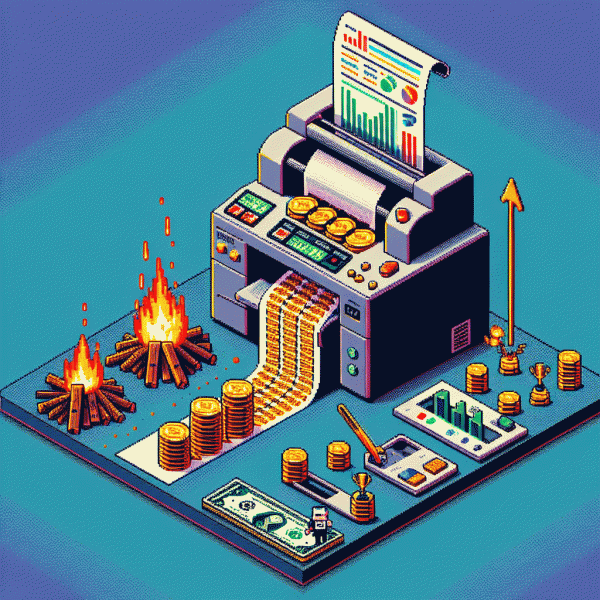
Budget Tetris: Split $5 so your best ad never starves
Small budgets are geometry, not charity. With five dollars you must place each cent with intention so your best creative gets oxygen. This approach turns scattershot spending into a compact system of roles: feed winners, probe ideas, retarget warm users, and hold a tiny reserve for momentum plays.
Here is a practical split that sums to five: Winner: $2 — keep top 1–2 ads live. Experiment: $1 — A/B new hooks and angles. Retargeting: $1 — warm audiences who clicked or watched. Learning: $0.50 — micro tests to seed tomorrow's winners. Reserve: $0.50 — quick fuel for anything that spikes.
Use the Winner bucket to maintain continuity: run the two best creatives at roughly $1 each and monitor CTR and CPA. If an ad clears your threshold (for example CTR above 1.2 percent and CPA within target), pour reserve dollars into it. If performance drops, pause and replace immediately.
The Learning slot is the laboratory. Run a bold creative for three days at $0.50 and apply strict cut rules: kill variations with CTR under 0.5 percent or CPC more than twice your baseline. The Experiment dollar lets you test copy swaps and audience tweaks for five days before grading results.
Retargeting should be tight and ruthless: 7‑day visitors, recent engagers, or video watchers with a focused CTA. Keep frequency low (about 1.5–2 touches per user per week) and favor static offers or dynamic product pulls that close sales. Use the data to seed the Winner bucket.
End each day with a tiny checklist: trim losers, top up winners, move reserve to momentum plays after three positive days. Treat the five as a tiny ecosystem — not a single ad farm. When allocation is rigid but rules are ruthless, the best ad will never starve and scaling becomes a repeatable system.
Bullseye targeting: tiny audiences, big conversion energy
In a world where giants bid like an arms race, you get to play pocket-sized sniper. Targeting a sliver of people who already vibe with your product squeezes conversion lift from tiny budgets — five bucks a day goes farther when every impression lands on someone likely to act. Think obsession over reach; think precision over bravado. It is less shouting, more whispering the right message to the right ears.
Do the homework quickly: export your highest-engagement customers, scan purchase tags, and map the common signals — niche hobbies, specific complaints, or obsessive fandoms. Build 3-5 micro-audiences in your ad platform, each no bigger than a few thousand people or a tight interest cluster. Write bespoke micro-creatives: swap headlines, images, or CTAs so each slice feels made-for-them, not mass-produced.
Budgeting and testing rules change when audiences are tiny. Run fast, low-variance experiments and favor metrics that matter: CPA and CTR over vanity reach. Start with this mini-playbook:
- 🆓 Demographic: Narrow ages, genders and locations that actually buy.
- 🚀 Interest: Pinpoint obsessive topics or tools your customers use.
- 👥 Behavior: Target past engagers, purchasers, or lookalike seeds under 5k.
Track every micro-audience like a separate funnel. After 3-5 days, kill the flops, double down on the winners, and copy winning hooks into adjacent slices. When a tiny cohort proves profitable at $5/day, scale by cloning the exact targeting + creative combo rather than blasting spend. Small audiences make big conversion energy predictable — you just need the discipline to measure, prune, and repeat.
Creatives on a coffee budget: hooks and CTAs that win clicks
Running ads on a shoestring forces creativity — in a good way. Treat your first 1–3 seconds like a neon sign: lead with a tiny shock, a relatable pain, or a vivid promise. Try short, punchy lines you can read in a glance: "Sick of low reach?", "3-day growth trick", or "Stop losing followers". Those split-second hooks decide whether someone scrolls or scrolls past.
For CTAs, think micro-commitments that reduce friction: "Tap to preview", "Grab the quick guide", or "Save this tip". Swap verbs more than visuals on day one — action words move the needle. A/B test three hooks against two CTAs (six combos) and kill the bottom half within 48 hours. Keep copy crisp and transactional: benefit → evidence → tiny ask.
Visuals on a coffee budget should be bold, not busy. Use one big face or product shot, bold overlay text, and a 0.5–1 second reveal to force attention. Caption everything for sound-off viewers and add a tiny logo in the corner. Cheap motion (a whip pan, a quick zoom) beats fancy production because it creates perceived value without blowing the budget.
Finish with a rule: iterate fast, double down on winners, and treat creative as the conversion engine. If a hook wins at $5/day, replicate it with small variants and nudge spend up gradually. Tiny experiments compound — your daily dose of clever copy and a tight CTA is how you win without burning cash.
The 10 minute daily tune up: bids, caps, and fast cuts
Ten minutes a day is all it takes to stop $5 budgets from leaking like a sieve. Start with a quick inhale: glance at yesterday's spend, top performing ad, and cost per action. That triage tells you if you can scale a winner, need a creative swap, or should tighten a bid cap before the afternoon drift.
Minute 0–2: check pace and delivery. If spend is pacing too fast, drop the bid by 10% or apply a daily spend cap. Minute 2–5: interrogate creatives — anything below a 0.5% CTR with small audiences is a goner. Minute 5–8: adjust audiences and placements; favor the top 20% of placements. Minute 8–10: duplicate the winning ad with a 10–20% higher bid to test lift, then set a rule to kill underperformers after 3 poor days.
Keep three tiny metrics on repeat: CPA relative to your target, CTR as a health check for creative, and conversion rate for the funnel. If CPA climbs 30% above target, fast cut the underperformer. If CTR rises while CPA drops, consider shifting budget into that cell.
- 🆓 Check: glance at spend and top ad to decide pause or pump.
- 🐢 Cut: kill low CTR creatives and split test one new idea.
- 🚀 Scale: boost a winner by 10–20% bid and watch for diminishing returns.
Close the loop with automation: set simple rules for bids and pauses so the ten minute habit compounds into steady wins. Keep it fun, keep it fast, and let small daily moves make big monthly differences.
Scale or bail: simple rules that stop silent spend leaks
Small budgets are merciless: $5 a day can either find repeatable winners or disappear into noisy auctions. Think of each dollar as a scout, not a torch. The stealthy leaks are placement creep, stale creative, and misrouted audiences. Before scaling, fix measurement, set short guardrails, and agree on one clear metric that actually moves the business.
Turn fuzzy rules into binary actions. If a campaign does not improve CPA by 10% after seven days of traffic, pause it. If a creative drops below baseline CTR by 20% across two audiences, swap creative. If a placement spends more than 30% of budget with poor conversion, block it. These thresholds keep tiny budgets from evaporating and force decisions instead of hope.
Automation is your little army. Wire up simple alerts, daily lookback checks, and an SOP that requires human thumbs up before budget increases. If you need a ready path to consistent activations, try instagram marketing boost to see how disciplined scaling looks when rules replace busywork and guessing.
Scale in measured steps: 20 to 50 percent lifts, watch 48 to 72 hours, then repeat. Keep experiments narrow, test one variable at a time, and record outcomes. When a pattern emerges, double down; when it leaks, bail fast. That rhythm turns $5 plays into sustainable wins instead of monthly mystery burns.