Stories, Reels, Shorts: Pick One on YouTube and Make It Work
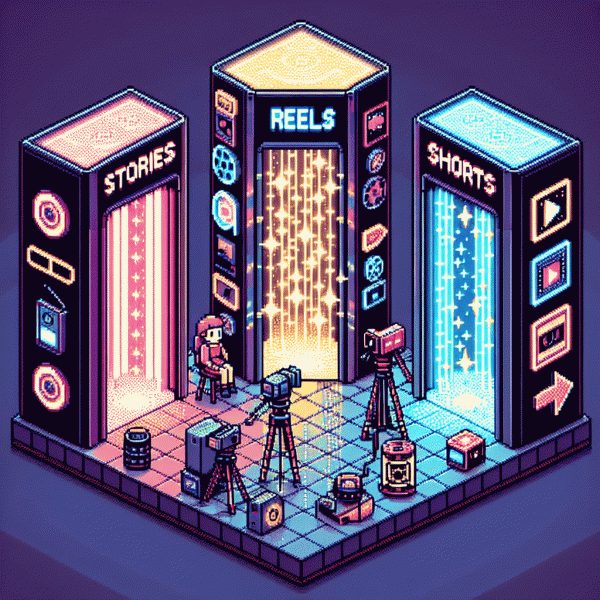
Stop Spreading Thin: Why Choosing One Format Wins on YouTube
Trying to be equally amazing at Stories, Reels, and Shorts sounds noble but usually produces a dozen half baked ideas. On YouTube, signals matter: the algorithm rewards repeated patterns and a clear promise to viewers. Pick one format and treat it like a product you are launching. That focus turns random posts into a consistent voice, trains the algorithm to recommend your stuff, and helps fans know exactly what to expect from your channel.
Choosing one format does not mean creating one kind of content forever. It means optimizing resources and feedback loops. If you favor kinetic, super short hooks, commit to Shorts. If you love candid, ephemeral updates, lean into Stories style. If your strength is polished vertical edits, channel that into Reels inspired approaches. The payoff is faster iteration, predictable production workflows, and clearer metrics such as average view duration and subscribers per view.
Run a 30 day experiment: define the metric you care about, publish daily in a single format, and log results. Use a simple hypothesis like Shorts will grow subs faster because my hooks are strong. Batch produce templates, film in blocks, and reuse assets for A/B testing. At the end of the sprint compare raw reach, retention curves, and conversion to subscribers. That clarity will tell you whether to double down or pivot.
When a winner emerges, scale with purpose. Double the volume of what works while maintaining quality, then repurpose top clips into longer uploads with deeper context. Create a clear funnel: discovery through the chosen format, mid funnel with compilations or tutorials, and conversion with community posts or calls to subscribe. Collaborate with creators who match the groove and automate templates. Focus and repetition are not boring; they are the shortcut to predictable growth.
Find Your Audience Sweet Spot in 10 Minutes
Ten minutes is all you need to map where viewers live and what they want. Start by narrowing to one short-format lane and define the sweet spot as the overlap of interest and intent. That tiny focus turns scattershot ideas into testable clips that actually teach you something.
Minute 1–3: open analytics and a competitor or two. Filter for 30–60 second hits, check retention curves, and note which thumbnails and first three seconds keep people watching. Minute 4–6: scan top comments and pinned replies for phrases people use to describe problems or desires. Minute 7–9: distill three audience descriptors like age range, interest, and viewing intent.
Minute 9–10: sketch two micro-experiments — one emotional hook and one utility-first demo. Examples: change the opening line to a bold promise, shorten a step to a single visual, or add a CTA that invites a reply. Only change one variable per test so you can attribute wins. Plan to judge by watch time lift and impression click-through within 48 hours.
If you want to amplify early signals while tests run, try get instant real youtube subscribers to reach more viewers and gather clearer feedback faster.
Finish by repeating the winning element across the next five uploads and then widen targeting. Finding the sweet spot is a mini lab: hypothesize, test, measure, iterate. Small wins compound quickly, and a ten minute routine practiced weekly will turn guesses into a growth engine.
The Shorts Playbook: Hook, Value, CTA, Done
Start every Short like a dare: grab attention before the scroll kills you. Use a micro-hook in seconds one to two — a visual jolt, a bold text overlay, or a question that halts thumbs. Show motion, an expressive face, or an unexpected prop, and put a Hook word on screen so viewers get the promise instantly; no slow openings.
Deliver the payoff quickly: pick one clear idea, one transformation, one emotion. Teach one tip, reveal one trick, or show a before and after in 15 to 30 seconds. Use tight edits, jump cuts, and sound that matches the beat. Caption everything because many watch muted. Make Value so obvious viewers feel rewarded in the first watch.
Close with a tiny ask that fits the watch: CTA could be follow or subscribe for more, save this, or comment your take. Keep CTAs low friction and specific: say tap follow for daily hacks or comment which tip you will try. Use looping tricks — tease the ending in the opening, reveal it at the end — so the Short auto restarts and boosts watch time.
Filming checklist: vertical 9:16, bright exposure, punchy audio in the first second, readable captions, clear ending frame that doubles as a thumbnail, and branded 1-second intro if you have a series. Test trending sounds but add your own spin, keep videos under 45 seconds, and iterate fast: post, check retention graphs, tweak the hook, rinse and repeat. That simple rhythm is how Shorts become predictable wins.
Consistency Without Burnout: A 30 Day Plan You Can Stick To
Think of a 30 day challenge that feels like a slow jam, not a sprint: small predictable beats that build momentum without burning creativity to ash. Start by picking two short formats you enjoy — a quick behind the scenes and a punchy tip — then commit to three short posts per week. The aim is habit, not perfection.
Split the month into four simple focuses: Week 1, idea harvest and templates; Week 2, batch shoot and simple edits; Week 3, publish with consistent captions and CTAs; Week 4, review metrics and pivot. Keep each production session to one hour and guard the rest of your calendar like a treasure chest.
Use rituals that speed decisions: a 10 minute idea dump, a 30 minute shoot block, a 15 minute caption polish. Repurpose one short into a story, then a pinned clip, then a community post. If you want a quick boost for reach try the best youtube boosting service to pair momentum with strategy, not to replace the craft.
Consistency without burnout is about rhythm and mercy: celebrate tiny wins, tweak one variable per week, and automate the dull stuff. After 30 days you will have habits, a content bank, and real data to scale or simplify.
Metrics That Matter: Signals to Double Down On
Think of metrics as tiny sensors telling you whether a Short, Reel, or Story actually landed, not just looked pretty. The first signals to monitor are Average View Duration and the Retention Curve because they prove viewers stayed. Next up: Click-Through Rate and Impressions to Watch, which reveal whether thumbnails and opening hooks are working. Engagement metrics like likes, comments, and shares act as amplifiers, and subscriber gain per asset is the conversion metric that pays the rent.
Make Average View Duration actionable by tightening the opening seconds: lead with a visual or a clear problem, cut slow setup, and edit for rhythm. Inspect the retention curve to spot exact drop points and iterate: if many viewers leave at eight seconds, change the hook or the cut. Try to engineer a bump later in the clip with a twist or payoff so the second half of the video retains better.
Raise CTR and impressions by testing thumbnails, captions, and the first frame copy. Use a visible text overlay for muted viewing and deliver a concise micro promise in the first second. Prompt one tidy action to encourage engagement, then pin that call to action. Track likes, comments, and shares as distribution multipliers and watch subscribers per view as the true ROI indicator.
Run fast experiments and promote winners quickly: when a format reliably improves retention or subscriber conversion, create targeted variants and scale production. Keep a compact dashboard of three numbers per piece - retention, CTR, and subscribers per 1000 impressions - and use those signals to guide editing choices, posting cadence, and repackaging across platforms. Metrics will not lie, but they do need a playful mind and steady tweaks to turn data into repeatable hits.