Stop Writing Everything: What to Automate in Marketing and What to Write Yourself
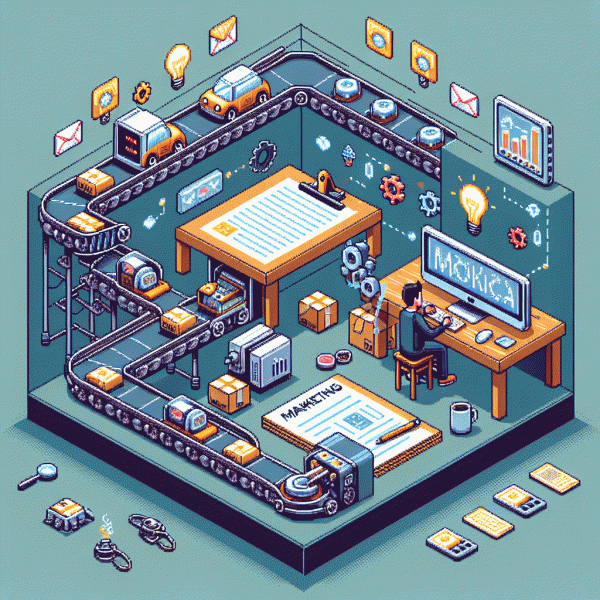
Set It and Sell It: Workflows, lead scoring, and nurture drips to automate today
Start by treating automation like a smart assistant rather than a lazy writer. Map the buyer journey into clear trigger points: first demo request, specific page visits, or a pricing PDF download. For each trigger define the action, owner, and metric to watch. That one page of rules saves hours of guesswork and prevents leads from slipping through the cracks.
Build a lead scoring model that actually moves deals. Score both explicit signals like company size and role and implicit behaviors like multiple page visits or repeated pricing views. Add decay so old interest is not treated as fresh, then set thresholds that flip a lead from automated nurture to sales ping. If you want a quick grabbing tool for social proof and initial distribution, check free instagram engagement with real users to kickstart visibility while your scores warm up.
Design nurture drips like a conversation, not a spam cannon. Start with a welcome note, follow with value content, then case studies, a soft offer, and finally a check in. Use personalization tokens for behavior cues and vary cadence by engagement: aggressive for hot leads, slow for cold. Keep emails short, actionable, and end every message with one clear next step.
Automate these workflows first: Lead routing: instant assignment when score hits threshold; Reengagement: winback sequences for lapsed prospects; Abandonment: cart or form abandon triggers tied to tailored offers. Wire these to your CRM and marketing stack so every step generates measurable events and follow up tasks.
Measure and iterate weekly. Track conversion by cohort, test subject lines and drip timing, and remove steps that add friction. Start with three automations, prove impact, then scale. The goal is not to stop writing forever but to write where it matters and let the rest run reliably on rules.
Keep the Soul, Not the Slog: Brand voice, hero copy, and key landing pages to write yourself
Your brand's voice is the part of you customers recognize in a crowded feed — it's the wink, the soft shoulder, the bit of mischief. Those lines should come from humans, not templates. When a headline carries the soul, an algorithm can amplify it, but it can't originate the spark.
Write the hero copy, key value propositions, primary CTAs, and flagship product descriptions yourself. Also handle the about story, pricing rationale, and onboarding microcopy that answers worried users. Automate variations, distribution, and A/B tracking, but keep the originals handcrafted and tested.
Use this quick filter to decide what's sacred and what's scalable:
- 🧭 Hero: Keep headlines human — test tiny tweaks, not complete rewrites.
- 💬 Voice: Preserve idioms and cadence; let AI suggest synonyms, you choose tone.
- 🔑 Pages: Critical landing pages get human-crafted hooks, variants can be auto-generated.
Practical habit: write the first draft without prompts, then ask automation to produce five alternatives, run an A/B, and keep the winning original's essence. That way you get scale without selling your brand's soul to a bot.
AI as Draft, You as Editor: A human in the loop recipe that scales quality
Think of AI as the new intern who can vomit ideas at scale but lacks taste. Start every task with a tight brief that includes audience, desired emotion, forbidden phrases, and length. Feed that into your model and ask for three distinct drafts: one bold, one safe, one experimental. The goal is variety, not perfection.
Now switch hats. As editor you prune, humanize, and ground. Cut fluff, swap metaphors that only machines love, and insert a tiny human detail or anecdote that proves someone actually lived the idea. Add one unique data point or a customer quote to stop the copy from feeling like generic syrup. Check facts, sources, and tone twice before anything goes live.
Here is a compact, repeatable recipe to scale quality: Step 1: craft a 2 sentence brief. Step 2: generate three variants with the same prompt. Step 3: choose the strongest draft and do a 15 minute edit pass focusing on clarity, brevity, and voice. Step 4: fact check and add a human flourish. Step 5: schedule a small live test or A B experiment.
Repeat and refine your prompts into templates so the machine gets better every week. Keep humans in the loop as culture curators and nuance protectors. Machines can draft millions of lines; humans decide which lines actually sing.
Signal Over Spam: Personalization rules that make automation feel human
Automation should amplify real signals, not drown customers in noise. Start by mapping high-intent triggers — abandoned carts, repeat browsing, trial expiry and milestone events across channel and lifecycle — then build rules that only fire when context matches. High signal plus narrow trigger equals nudges that feel human.
Use micro-segmentation and dynamic snippets so messages read like a note from a teammate, not a template farm. Pull three reliable data points: first name, recent action and recency (bonus: location or device). Conditional copy (if viewed item, show variant A; if purchased, show variant B) keeps content relevant without endless copywriting.
Respect timing like a considerate human: set recency windows, per-contact frequency caps and sleep hours by timezone. If someone ignores two touches, switch to a long cadence or pause. Prefer exponential backoff over hourly blasts — thoughtful pacing reduces churn and raises response rates.
Write short, conversational templates with optional phrasal variants and varied subject lines so automation sounds alive. Add one line that invites reply or routes complex queries to a person. That small hybrid move prevents robotic loops and saves human time for true nuance.
Protect the machine with hard guardrails: monitor reply rates, conversions and opt-outs, A/B test personalization depth on small cohorts, and enable manual review for VIPs or sensitive sends. Automate routine work; keep human judgment where it counts so your messages signal value, not spam.
Channel Smarts: What to automate on LinkedIn, email, and your blog
Think of each channel as a tiny machine: automate the gears that hum and leave the heart to a human. For LinkedIn, email, and your blog, automate the repetitive, measurable pieces — scheduling, list grooming, and publishing workflows — so you can spend more time on strategy, storytelling, and the one-off messages that win trust. The goal is less keyboard grind and more thoughtful outreach.
On LinkedIn, automate post scheduling, analytics pulls, and simple reply templates for frequently asked questions, but write your long-form posts and personalized outreach by hand. For email, automate welcome sequences, birthday or milestone triggers, and list segmentation; write the first-touch subject lines and high-value nurture emails yourself. For your blog, automate formatting checks, image optimization, and syndication, and write cornerstone articles and opinion pieces in person.
- 🤖 Repurpose: Convert high-performing posts into email snippets and vice versa so great ideas scale without extra invention time.
- ⚙️ Routine: Automate chores like scheduling, A/B testing cadence, and analytics export so insights arrive while you sleep.
- 💬 Relationships: Keep outreach personal — use templates only to scaffold, then customize before sending to keep messages human.
Here is a tiny playbook to try this week: automate a week of LinkedIn posts, set up a three-email welcome series, and configure blog publishing checks. Measure engagement and then swap automation for handcraft where results show nuance matters. If you are also exploring social growth tactical partners, see twitter boosting for examples of how automated distribution can free up time for real writing.