Stop Wasting Words: What to Automate in Marketing and What to Write Yourself
Automate These First: Low risk, high ROI tasks your future self will thank you for
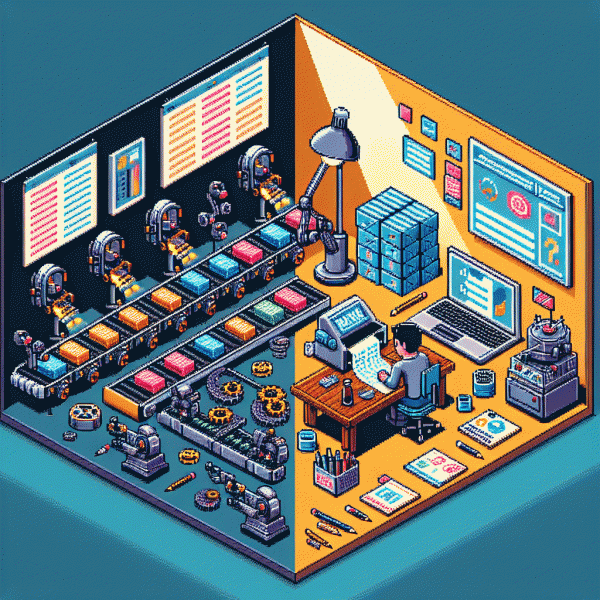
Toss the guilt about automating: not every word needs to be handcrafted. Start with the low-risk moves that save hours and multiply impact — scheduling evergreen posts, auto-tagging new leads, templated welcome replies to FAQs, and auto-generated weekly performance reports. Those small automations protect brand voice while freeing your calendar for strategy, creative bursts, and the good kind of panic when a campaign spikes and requires a human touch. Think of automation as your assistant that handles the boring so you can do the brilliant.
Target patterns you do repeatedly and where mistakes cost little. Automate onboarding sequences, first-response DMs, UTM tagging, simple personalization tokens like {first_name}, and basic A/B monitoring for subject lines and headlines. Build safety rails: send caps per user, cooldown windows, manual approval for risky segments, and tag-based human handoffs for ambiguous replies. Instrument every flow with clear KPIs so you can detect tone drift, drops in engagement, or sudden delivery issues before they become brand problems.
Need a launch pad for quick wins? Try a small boost to social proof: buy instagram followers today.
Run two-week experiments, track time saved and conversion lift, then expand winners. Automate the routine, keep the creative, and reserve handcrafted copy for moments that move hearts and wallets. Your future self will thank you with better focus, cleaner data, and way more time to write the lines that actually convert.
Keep the Pen: Moments where human voice beats any template
Templates are great for scale, but some moments ask for a human with a pen, not a bot with a stamp. When stakes are emotional, reputation-based or downright unpredictable, canned responses sound like a robot consoling you with a fortune cookie. Use a real voice to sew trust, defuse heat, and turn awkward moments into memorable human connections.
Think customer apologies after a public misstep, founder letters after a product failure, one-off influencer negotiations, heated community threads, or nuanced B2B proposals — these aren't checkbox tasks. In those cases, a human can acknowledge context, read tone, adjust promises and decide whether to escalate. Automation can hand off the basics; humans close the loops that matter.
Why does human voice win? Because empathy needs improvisation, not a decision tree. People notice specificity, small imperfections that signal sincerity, and the ability to respond to follow-up questions without sounding rehearsed. Authenticity builds loyalty; a formula builds efficiency. The trick is balancing both so you don't over-personalize everything while still giving customers the sense they're dealing with a person, not a process.
Use a simple triage before hitting send: Emotional intensity: is someone upset, vulnerable or viral? Risk: could this damage brand trust or legal standing? Judgement: does the reply need contextual reasoning or creativity? If you check any box, pick a human to draft and sign off — and keep automation to prep data, draft bullet points, and surface history. Also decide who signs: founder, community manager or product lead, and set a clear SLA so empathy arrives quickly.
For a quick human-first script try this scaffold: Acknowledge the feeling and repeat a specific detail, Own the parts you control then Explain what you'll do next with dates or clear milestones, and Close by inviting a reply or offering a direct line. Keep sentences short, human-spoken, and if you're witty, be gentle — humor can heal, but it can also sting if mistimed.
The 80 20 Workflow: Save hours without losing brand soul
Think like a chef: automate the mise en place and save time for the signature sauce. Use automation to handle routine tasks—scheduling, reporting, and bulk variations—so writers can focus on voice, nuance, and the one idea that makes a piece unmistakably yours. The trick is not to cut corners, but to cut the busywork.
Run a quick audit to separate high-impact copy from low-risk copy. Tag every repeatable task, score it by brand impact, and map it to either human or system. Keep headlines, leads, CTAs, and brand phrases under human control. Let machines draft body scaffolds, meta text, and headline permutations so people can spend time on the parts that change perception.
- 🤖 Automate: schedule posts, generate first drafts, and create bulk variations from templates
- 💁 Humanize: craft headlines, openers, signature phrases, and final CTAs
- ⚙️ Guardrails: enforce tone presets, required brand words, and a approvals step
Operationalize it with a tiny style sheet, three tone presets, and a one-sentence brief for each asset type. Route automated outputs through a sampling review where humans check 10 percent and flag recurring faults. If a template keeps failing, improve the prompt or move that asset back to human-first production.
Measure what matters: hours reclaimed, engagement lift, and any drift in brand recall. Start small on one channel, iterate weekly, and expand when the workflow delivers clear time savings without eroding personality. The result: fewer wasted words and more moments that actually move people.
Stack Smart: Tools and triggers that stop Franken funnels
Pick a stack that behaves like a good roommate: it does its job, cleans up after itself, and does not leave duct-taped integrations on the couch. That means choosing point solutions that integrate via events, webhooks, or a lightweight event bus rather than a tangle of API scripts and scheduled CSV imports. Keep one source of truth for identity and one for consent so your messaging logic remains sane and predictable.
Design triggers like a bouncer—clear, strict, and with a human second check for anything creative. Use event names that read like sentences, attach metadata that describes intent, and apply rate limits and cool-off windows so recipients do not get hammered. When two automations overlap, pause and decide: merge, split, or retire one. Small rulesets now save you from Frankenstein funnels later.
When you pick tools, think in capabilities not brands. Build a small catalog of roles each tool plays and resist the urge to make one platform do everything. Practical categories to consider:
- 🆓 Free: a lightweight event router or webhook inspector for developers to watch flows in real time and validate events.
- 🐢 Slow: scheduled batch processors for heavy data joins and segmentation that run nightly with automated sanity checks.
- 🚀 Fast: a low-latency decisioning engine for live personalization, with throttles and priority rules to prevent over-sending.
Operationalize with conventions: enforce naming standards, version-control your flow definitions, surface failures on a dashboard, and maintain an escalation path for misfires. Run weekly stitch audits to catch duplicate sends and orphaned templates, and use canary segments to test before scaling. The aim is clear—automate repetitive tasks and let human-crafted words handle empathy, creativity, and judgment when they matter most.
Calibrate, do not coast: QA, A/B tests, and metrics that keep automation honest
Automation should be a tidy assistant, not a sleepwalking intern. Treat generated copy like a recipe you trust for routine meals: keep the stove on and your hand on the pan. Build quick QA checks that sniff out tone drift, factual hallucinations, and truncated CTAs before anything goes live, so automation amplifies clarity instead of creating noise.
Practical QA means sampling, not policing: review a stratified sample of outputs daily, heavier on edge cases. Create a short checklist—brand voice, accuracy, CTA clarity, legal flags—and score each item. When scores fall below threshold flip on manual review. Keep feedback tight: one-line corrective rules for the model, one example of a fixed headline, and one human-approved template.
A/B testing is your calibration dial. Start with a clear hypothesis tied to a single metric (open, click, conversion), calculate sample size for a realistic effect, and run long enough to capture variance but short enough to stop wasted impressions. Prefer pragmatic sequential tests and pre-registered stopping rules so experiments inform decisions instead of generating excuses.
Finally, instrument guardrails: track error rate, brand-safety incidents, and copy-to-conversion lift on a simple dashboard. Configure alerts when metrics move more than a preset percentage, and schedule weekly audits to retrain templates. If automation fails a test twice, route to a human editor—it's not a punishment, it's the reboot that keeps your words working.