Stop Wasting Hours: What to Automate in Marketing - and What You Should Always Write Yourself
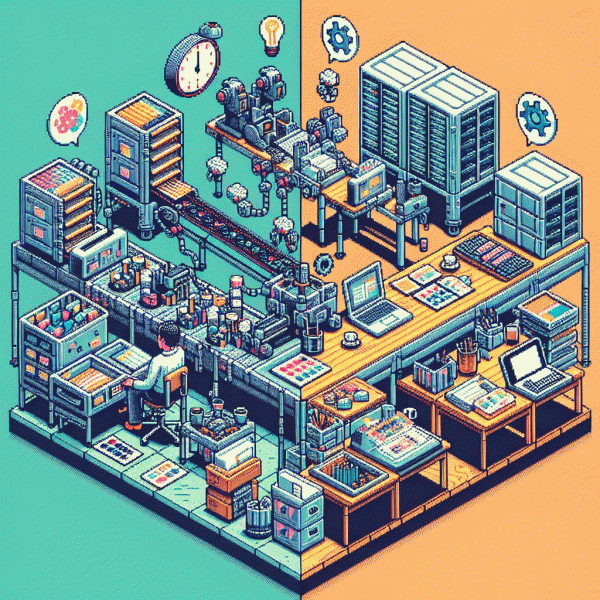
Set-It-And-Scale-It: Emails, triggers, and segments you should absolutely automate
Let automation carry the busywork while you focus on the creative stuff that actually converts. Start by mapping real moments where a message matters: first visit, first purchase, cart drop, churn signal, and loyalty milestones. Those are the places where automated emails earn their keep — and where handcrafted copy still makes the money.
Automate the predictable touches: a warm, short welcome series that teaches benefits and sets expectations; transactional receipts that double as cross-sell opportunities; cart and browse abandonment nudges timed with intent; and reactivation flows that rescue fading customers. Use event triggers, not guesses, so every send is relevant and timely.
Segment like a human but at scale. Combine behavior (pages visited, items viewed), value (recent spend), and lifecycle stage (new, active, lapsed) to create dynamic content blocks. Merge personalization tokens with simple conditional copy: a product name here, a scarcity cue there, and a different CTA for high-value buyers. Keep segments lean so they are easy to test and iterate.
- 🆓 Welcome: short onboarding, expectations, one clear CTA to engage
- 🐢 Cart: timed reminder, social proof, friction fix offer
- 🚀 Winback: bold incentive, updated benefits, easy reactivation path
Finally, treat automation like a lab: A/B test subject lines and send times, monitor open, CTR, and conversion, and review flows quarterly. Automate the routine, write the soul, and scale with structure. That is how hours become revenue.
Keep It Human: Pages, posts, and pitches that need your voice (not a bot)
Some things you can happily automate, but pages that sell beliefs and emotions need you. Your About page, nuanced pricing sections, cornerstone blog posts, founder letters, and first-contact sales pitches are the arenas where empathy, tiny details, and tradeoffs convert. Spend human time where the most eyeballs or the highest conversion lift live.
Write like a real person: open with a specific moment (the mistake, the aha, or a customer line), use concrete numbers and names, and show one small flaw you fixed. Replace empty superlatives with micro-scenes: what the user felt, what changed, and why that matters. Finish with a clear next step, not another fog-machine claim.
Move faster without losing soul: let AI draft structural scaffolding, then apply the three-pass rule—fact-check, add a microstory or quirky detail, and tighten for voice. Tag autogenerated paragraphs with ADD STORY or PROVE CLAIM so editors know exactly where to invest time. Assign a single owner to sign off on tone before publish.
Quick working checklist: choose high-impact pages first, capture one authentic customer moment per page, insist on a named author, verify any numbers, swap two vague adjectives for one concrete image, and always read aloud before you hit publish. An hour of focused human polish now saves dozens of awkward follow-ups later.
Human x Machine: Use AI for drafts, templates, and A/B ideas without losing tone
Think of AI like an eager intern that can sketch entire campaigns overnight. Let it rough out subject lines, hero copy, and three variant CTAs so you do not waste time staring at a blank page. What the machine buys you is speed; what you add is discernment. Use the drafts to sprint, not to ship, and keep on-brand constraints front and center.
Start by building tight templates that capture audience, desired emotion, length, forbidden words, and preferred CTAs. Feed the model two or three brand voice exemplars so tone matches. Prompt with explicit constraints such as short, witty, 20 words max, avoid buzzwords, and you will get useful scaffolding instead of generic fluff. Save each high-performing prompt as a reusable asset.
For A/B testing, ask AI to generate systematic variants: swap verbs, tweak angles, flip incentives, and vary social proof. Produce ten headline tweaks and then pick four to test. Small, measurable changes and a clear hypothesis beat endless tinkering. Track opens, clicks, and micro-conversions so language choices deliver real lift and learning compounds across campaigns.
Protect authenticity with a human final pass. Edit for nuance, cultural fit, and small details machines miss: brand history, in-jokes, and legally sensitive claims. Annotate drafts with edit notes and redlines so reviewers see why an edit matters, not just what changed. That reduces review friction and preserves the emotional intelligence only people provide.
Wrap it in a repeatable workflow: batch prompts in the morning, shortlist by midday, A/B launch in the afternoon, human polish before publish. Codify winning prompts and maintain a living style snippet file. Use AI for volume and velocity, and let the human final pass be the product secret sauce that keeps your voice unmistakable.
Red Flags: Automation mistakes that tank trust and how to fix them fast
Nothing kills brand warmth faster than a robotic ping that calls Sarah Customer and sends a promo on the day she canceled. Common red flags: wrong names from token failures, zero-context blasts, hyper-personal lines copied from a template, and chains that never pause for an actual human. If your emails make people do a double-take, they are failing trust tests.
Fixes you can ship today are surgical, not theatrical. Add fallback tokens (use there instead of a blank name), build tiny context blocks that mention recent activity, and use a human signoff in at least half of trigger messages. Segment by behavior so messages feel earned, not sprayed. A single personal line beats ten automated quips.
Operational mistakes are just as deadly: no preview, no throttles, no kill switch. Preview every flow in a real inbox, set frequency caps per user, and run a small soft launch before full roll out. Implement an immediate stop rule for error rates and a simple dashboard that flags spikes in unsubscribes, spam complaints, or mismatch tokens.
Make a seven day recovery plan: pause offending sequences, message affected users with a quick apology and a human help option, fix templates, then relaunch slowly. Treat automation like a power tool - sharp, fast, and dangerous if used without gloves. Keep automation for efficiency; keep writing for relationship building.
Your 7-Day Plan: A simple cadence to balance automation with handcrafted copy
Think of this as a seven-day social sprint that saves time without turning your brand into a robot. The secret: automate predictable scaffolding (scheduling, A/B splits, tagging) and reserve your best human energy for the moments that actually need voice, nuance, and charm. Follow the cadence below and you'll ship more content with less angst.
Day 1–2: Audit what repeats. Build templates for headlines, image captions, and subject lines, then wire them into your scheduler. At the same time, write one signature piece of copy that defines the week's tone—a hero caption, an email opener, or a landing headline. Templates speed delivery; your signature piece keeps personality.
Day 3–4: Produce the handcrafted stuff: a long-form post, a heartfelt story, or interview quotes that can't be automated. Create two micro-variants of each automated template and slot them into an A/B test. Let automation handle distribution and measurement while your crafted pieces carry the soul.
Day 5–6: Review performance, prune underperforming automations, and write personalized follow-ups for top-engaged segments. Swap out images, tweak CTAs, and update any automation rules that produced robotic phrasing. Small manual edits here multiply returns across all scheduled posts.
Day 7: Clean the calendar, document wins, and queue a fresh batch of templates plus one new handcrafted asset for next week. Repeat the loop: automate the plumbing, humanize the message. Rinse, refine, and enjoy the hours you've reclaimed.