Stop the Scroll: The sneaky way to crush ad fatigue without rebuilding from scratch
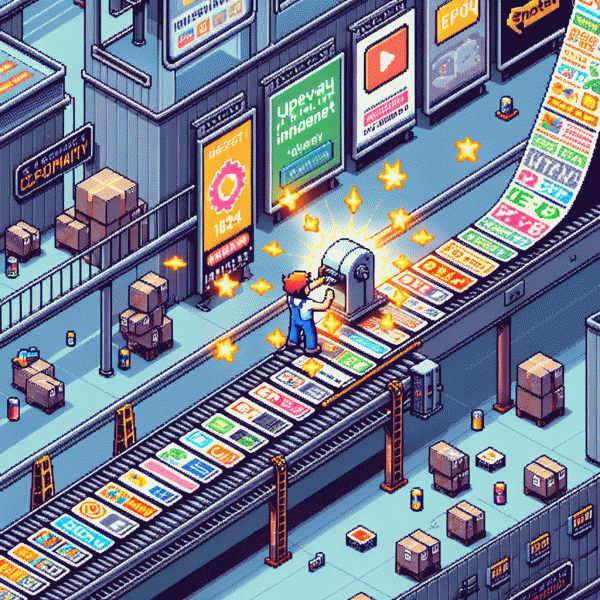
The 5-minute refresh: micro changes that wake up stale ads
A full creative overhaul is tempting but time consuming. Instead, run a five-minute refresh: swap the hero crop, shorten the headline to a single punchline, and remove one sentence from the body. These small moves change how your creative reads in feed and force a fresh attention signal without wrecking the original ad momentum.
Target micro-visuals: boost the contrast by nudging a color, try a tighter crop focused on eyes or product, and test a bold colored frame. Swap a static image for a short 2–3 second loop. Replace one word in your CTA with a benefit—switch "Learn more" to "Save today"—and you will be surprised how much that nudges clicks.
When you want a pressure-free shortcut to reach and credibility, pair micro-edits with a tiny audience push: buy instagram followers instantly today. That combo makes your refreshed creative look new to more people and gives the performance bump needed to requalify winners.
Measure fast: run each tweak for 24–48 hours, watch CTR and cost per action, then promote winners. Keep a short swipe file of edits that worked and repeat them across campaigns. The goal is momentum: small, frequent jolts to attention that keep your ads from lulling audiences into the scroll.
Pattern interrupts that boost attention without nuking CTR
Pattern interrupts are micro surprises — a jolt of motion, color, or sound that breaks the scroll trance and forces a double take. Small doses beat shock: novelty must be relevant to the message so attention converts into curiosity instead of confusion. Think of them as cheeky nudges, not scams.
Try a quick kinetic edit, a deliberate crop that reveals context, a sudden color pop, or a one-line microcopy that teases the payoff. For video, open on an eyebrow-raising frame before showing the logo; for static, add a diagonal element or movement blur to imply action. Use short audible cues with captions so sound helps, not hinders.
To protect CTR, keep the promise visible. Make headline and thumbnail truthful, keep your CTA prominent, and retain brand cues so viewers know what to expect when they click. Interrupt attention, not comprehension, and always lead with value within the first beat.
Measure lifts with view-throughs, time-on-card, swipe-stops, and micro-conversions. A/B test each interrupt against a control, cap frequency to preserve novelty, and sequence different interrupts across creative to tell a tiny story. If CTR dips, reduce surprise and sharpen clarity.
Quick checklist: Interrupt: add motion or surprise. Honor: keep the offer obvious. Test: A/B and watch engagement ladders. Make refreshing creative a tactical tweak, not a full rebuild, and watch ad fatigue take a hike.
Rotation rules: how to pace creatives so frequency stays friendly
Think of creative rotation like a closet swap: if people see the same tee every day they tune out. Pace assets so novelty feels natural, not spammy. Small, predictable swaps keep attention high while avoiding the exhaustion of constant rebuilds.
Define rotation windows by impact and cost: 24 to 48 hours for time sensitive hooks, 3 to 7 days for product scenes, and 2 to 4 weeks for brand stories. Pair each window with a soft frequency cap so impressions per user remain friendly and manageable across channels.
Use a three tier system to orchestrate swaps: Hero creatives run sparingly to preserve the wow factor; Runner ups rotate more often to sustain interest and momentum; Evergreen variations act as a fallback when fatigue signals rise. This tiered mix preserves novelty and stretches creative budgets.
Avoid running identical concepts across overlapping segments. Match rotation speed to audience freshness: new prospects get more frequent hero exposure, warm audiences receive varied mid tier messaging, and retargeted users receive tailored evergreen nudges that nudge without nagging.
Measure creative half life with engagement decay and conversion drop rates. If click through or view rates fall 15 to 25 percent week over week, accelerate swaps. Validate replacements with small A B clusters before full rollout so changes are surgical, not chaotic.
Quick operational checklist: label assets by tier and expiry, set automated rotation rules and soft frequency caps, monitor engagement decay daily, keep replacement concepts ready, and schedule weekly review slots. A steady, rule based pace keeps frequency friendly and makes ad fatigue a solvable problem without major rebuilds.
Instagram-first hooks that reset attention in the feed
On Instagram the scroll is a motion picture of micro habits. The trick is not to rebuild your funnel but to wedge a new beat into the feed that forces a double take. Treat your opening frame like a tiny attention reset: sudden motion, an unexpected color clash, a human face with a weird expression, or copy that breaks the pattern in the first 300 milliseconds. Those micro surprises pull eyes back from autopilot.
Here are practical moves to deploy immediately. Lead with a three word punchline in oversized type so the caption reads like a headline. Use a whip pan that resolves on a human reaction. Build soundless text beats for mute viewers. Swap your first frame to a clashing color palette so it reads as an anomaly. Finish the hook with a small brand reveal so curiosity turns into recognition rather than irritation.
Mini scripts to adapt: open on an extreme close up that creates tension, cut to a quick reveal that resolves it and then show the product as payoff. Or start with a candid confession, pause for the reaction, and close with the simple next step. Or stage a six second micro skit that ends with a clear action. Keep the language edible and the visual promise obvious.
Test like a scientist: only change the opening two seconds and hold everything else constant. Measure attention rate, swipe or click rate, and CPM. Iterate quickly until a hook dominates, then scale that hook across placements instead of reinventing the whole creative wheel.
Remix, do not rebuild: reuse assets while keeping the algorithm warm
When an ad starts to feel invisible, the reflex is often to teardown and rebuild. That is slow and expensive. Instead, think like a DJ: splice, layer, and nudge existing tracks until the crowd roars again. Small, deliberate edits can flip fatigue into curiosity and keep platforms serving your creative.
Start with a fast audit: surface your top three creative performers, then extract the hooks that made them work — the first two seconds, the visual focal point, and the strongest caption line. Recut those elements across formats: crop landscape to vertical, turn a static frame into a 6 second loop, or create a muted subtitled version for silent autoplay. These micro edits feel new to viewers while preserving the signal platforms need.
Protect the learning. Rather than killing a campaign and starting over, duplicate with identical targeting and budget, swap the creative, and let the system warm up. That keeps pixel continuity, preserves conversions, and avoids a cold start that kills delivery. If you must pause, rotate creatives within the same ad set so frequency resets stay gentle.
Use repeatable remix formulas: headline swap, first 3 seconds rewrite, motion overlay, UGC caption lift, and CTA microtests. Batch produce three variants per hero asset and rotate weekly. That pace prevents creative staleness without fracturing performance data or blowing through budgets on full rewrites.
Measure the right things and move quickly: watch engagement and click curves for 48 hours, kill losers, scale winners. Aim to reuse 60 to 80 percent of your asset library and invest 20 to 40 percent in fresh experiments. The result is a lean, creative engine that crushes ad fatigue and keeps the algorithm pleasantly warmed up.