Stop Scrolling: The Clickbait vs. Value Sweet Spot That Actually Converts
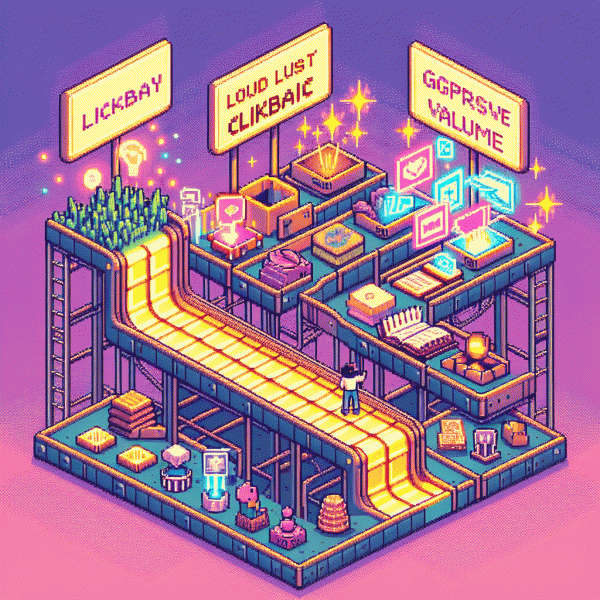
Hook without the Hype: Crafting Irresistible, Honest Headlines
Every headline is a promise. Make a tiny one you can keep and you convert better than with loud, empty hyperbole. Start by deciding the single, specific outcome your reader actually wants, then state it plainly but with a twist that pulls them in. Think of headlines as invitations, not bait: clear benefit, a hint of curiosity, and no bait-and-switch. That little honesty builds trust—and clicks that stay. Swap flashy adjectives for crisp numbers and usable verbs so the payoff is obvious at a glance.
Use the 5-second test: can someone tell what they get within five seconds? If not, tighten it. Prefer specificity over vagueness—swap 'grow' for 'gain 1,000 followers'—and add a believable timeframe. Lead with the benefit, but include the mechanism when possible: 'Save 30 minutes using X' beats 'Save time.' Avoid absolute promises like 'always' or 'never' unless you have proof; qualifiers make honesty work in your favor.
Try this micro-framework: Audience: who, Benefit: the result, Mechanism: how, Timeframe: when, Qualifier: for whom. Put it together: 'Freelancers: Land 3 new clients in 30 days using this one email tweak (no cold calls).' That structure gives clarity and curiosity without deception—readers know the promise and see a plausible path to it.
Finally, treat headlines like experiments. A/B test variants, but measure the quality of traffic too—time on page, scroll depth, sign-ups—not just raw clicks. Keep a swipe file of honest winners, copy one today and tweak for your voice. Write five options, pick the one that tells a real benefit fastest, and commit to ethical curiosity: be interesting, not misleading, and your conversions will quietly outpace the flashy noise.
Curiosity Gap, Not Credibility Gap: Tease Smart, Deliver Big
Stop confusing intrigue with deception. The right curiosity gap is a tidy invitation: hint at a genuine outcome, offer a clear promise, and leave one logical question unanswered so the reader clicks forward. The wrong gap feels like a trap because the teaser overpromised and the content underdelivered. Think of the headline as a polite knock, not a siren; it should stir interest while preserving trust.
Tease smart by making the promise measurable and time bound. Replace vague lines with tiny bets: instead of promising life changing advice, preview a specific result — for example, how to shave 30 seconds off a signup flow or get one extra referral in seven days. Use concrete details, sensory verbs, and numbers to give curiosity a compass. That way, the click is an experiment, not a gamble.
Deliver big by structuring the piece around immediate wins, proof, and a clear payoff. Open with the answer to the teaser in one sentence, then expand with the method, a quick case or screenshot, and an easy next step the reader can take in under five minutes. Close the loop explicitly so the reader feels rewarded for their time. Add a bold takeaway or checklist so the value remains scannable and shareable.
Measure and tune: track click to minute read ratio, satisfaction signals like scroll depth and repeat visits, and conversion events linked to the promised outcome. A/B test the size of the gap — more mystery may lift clicks but may harm retention. The sweet spot is the smallest mystery that still sparks action and the largest promise you can reliably fulfill.
The 70/30 Blend: How Much Sizzle vs. Substance to Use
Treat your copy like a dinner plate: 70% sizzle—irresistible aroma in the headline and opening lines; 30% substance—the savory, memorable proof that keeps people at the table. Sizzle gets clicks; substance keeps trust. Aim to hook fast and deliver faster.
Allocate that 70/30 across formats, not just sentences: in a Reel or Tweet the sizzle is heavier; in an email or landing page the substance weight must rise. Map each touchpoint, lead with emotion, follow with facts, and close with a tiny, obvious next step that removes friction.
A quick formula to try: Hook → Promise → Evidence. Make the promise specific, the evidence vivid, and the next action frictionless. Try this starter toolkit:
- 🆓 Hook: one-line curiosity or benefit that stops the scroll
- 🔥 Proof: single statistic, quote, or screenshot that lends credibility
- 🚀 CTA: a low-effort next step that feels like momentum, not a pitch
Don't guess the mix—measure it. Track CTR, read time, and conversion micro-metrics, then nudge the ratio up or down. If you need a fast testing ground, check out best smm panel for quick distribution and rapid signal to inform your tweaks.
Example: for Instagram, invest heavy sizzle in the first three seconds, then deliver one strong piece of substance (stat, testimonial, demo). For blog leads, flip that: richer substance in the middle, but a punchy sizzle to entice the click and justify the deeper read.
Implementation checklist: write ten different hooks, pick the three that drum up curiosity, pair each with a single proof point, and test. Iterate weekly—tiny shifts in the 70/30 balance compound into big conversion wins.
Proof Beats Puffery: KPIs to Track Beyond CTR
Clicks are a thrill but they are not a promise. A headline that pulls in an audience is only the opening act; the real show is what happens after the click. Marketers who win turn transient attention into measurable outcomes by swapping braggy metrics for proof that the creative actually delivers value.
Start tracking the signals that matter. Conversion rate shows whether the experience fulfills the promise. Micro-conversions (email signups, add to carts, video completions) reveal friction points. Time to first action exposes how fast users engage. Retention and customer lifetime value measure whether the message creates lasting relationships, not one night stands.
Make the measurement practical. Use cohort analysis to see if a creative brings repeat behavior, not just a single spike. Instrument funnels so you can see where dropoff happens. Run small incrementality tests or holdout groups to separate genuine lift from organic noise. Tie creatives to UTM parameters and conversion windows so attribution maps to actual business outcomes.
Practical checklist: prioritize post-click behavior, benchmark LTV and CAC, automate alerts on funnel leaks, and iterate headlines that lead to deeper actions. When you need a quick, controllable environment to test real engagement (not just vanity boosts), consider buy safe instagram followers as one element in a disciplined experiment plan.
From Clicks to Customers: A 4-Step Ethical Conversion Playbook
Start small and smart: run your headline like a handshake, not a hustle. Promise what you can deliver and craft the first touchpoint to prove it — a short demo, a useful tip, or a tiny freebie that actually helps. That way the reader's curiosity becomes trust, and trust becomes the currency of conversion.
Next, make value the headline and urgency the beat. Swap vague cliffhangers for concrete benefits — “cut setup time by 70%” beats “you won't believe this.” Use clear CTAs, micro-commitments (a single-question quiz, a one-click sample), and social proof that highlights real outcomes instead of polished fluff.
Where copy meets commerce, test low-friction offers that lower the leap from click to cart. Try a pay-what-you-want trial, a risk-free mini-plan, or a fast onboarding flow that feels human. Need a plug-and-play growth signal? Check this option: buy instagram promotion — use it as a tactical nudge, not a sleaze move.
Automate follow-ups ethically: send helpful sequences tailored to the action taken, not shotgun blasts to everyone. Remove form fields, add progressive profiling, and offer quick wins inside your onboarding so new customers see value before their first invoice.
Finally, measure what matters — retention, time-to-first-success, referral rate — and iterate like a scientist who's also a mensch. Run tiny experiments, double down on humane hooks, and let your conversion lift come from being genuinely useful. That's the sweet spot that keeps people clicking and actually buying.