Stop! Before You Rebuild That Campaign: 7 Sneaky Tweaks to Beat Burnout and Keep Performance High
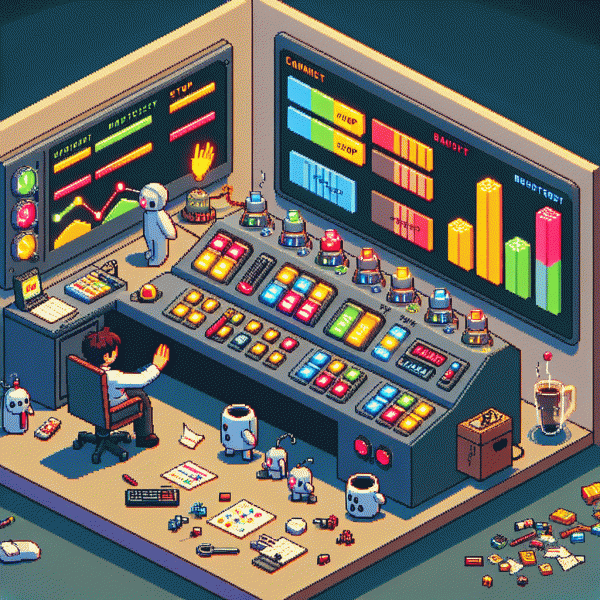
The 15-Minute Health Check: Spot Fatigue Without Pressing Reset
You don't need a full audit to spot ad fatigue. In fifteen focused minutes you can triage campaigns, surface creative decay, and decide whether to tweak or rebuild. Start by pulling three quick views: performance trends (7d vs 30d), creative-level CTR and CPA, and audience overlap. Score each as green/amber/red so next steps are obvious and you avoid overreacting.
- 🆓 Quick: Check impressions, CTR and conversion rate — any 15–30% drop vs the prior week is a flag.
- 🐢 Frequency: Look at average frequency and CTR by creative — high frequency + falling CTR = fatigue.
- 🚀 A/B: Identify one winning variant and launch a micro-test (10–20% audience) to validate lift.
If a metric lands amber, apply three micro-fixes: rotate 10–25% of creatives, exclude overlapping audiences, and tweak the landing page headline. These quick interventions often recover performance without a full rebuild. Always run short experiments (24–72 hours) so you can tell signal from noise.
Green? Scale slowly — bump budget by 10–20% and watch the same dashboard. Amber? Iterate creatives and bids and check back tomorrow. Red? Rebuild the broken ad set, but keep the 15-minute habit so small fixes become routine instead of last-minute panic.
Creative Quick-Swaps: Fresh Look, Same Learnings
Think of creative quick-swaps as cosmetic CPR for tired ads: fresh visuals and tiny copy pivots that revive performance without scrapping months of statistical learning. You keep the experiment framework intact while giving the audience a new reason to stop scrolling — and your metrics stay comparable.
Before you touch pixels, lock down the mechanics: preserve campaign and ad-set names, keep tracking pixels and conversion events untouched, and retain UTM patterns. These habits make it obvious which creative move actually nudged results, so you scale winners instead of spinning on noise.
Make a short, ruthless checklist for swaps: replace the hero image, tweak the color accent, shorten the headline by a few words, or test a new CTA verb like Try vs Get. Only change one variable per clone, keep targeting and budget steady, and run each variant long enough to collect signal.
Repurpose what already works: cut long cuts into 6s and 15s, use high-performing frames as thumbnails, try a muted soundtrack, or shift aspect ratio for a new placement. Small format shifts — new typography, a color filter, an on-screen quote — often unlock big lifts.
How to act now: clone the ad, apply exactly one creative swap, label it with the date and swap type, and set a 3–7 day test window depending on traffic. If it wins, promote it; if it fails, treat it like research, not drama. Quick swaps keep momentum without erasing your learnings.
Audience Rotation 101: Lower Frequency, Higher Love
If your same-same audience is seeing the same ad for the hundredth time, make rotation your campaign CPR. Audience rotation is not a shrug-and-hope move — it's a deliberate swap of who sees what and when to lower frequency and rekindle attention.
Start with cadence: rotate primary segments every 7–14 days and add short exclusion windows for recent engagers. That gives you breathing room to test new hooks without burning the same eyeballs. For high-value products, lengthen windows; for impulse offers, tighten them.
Match creative to rotation: always deliver fresh creatives to the newly-included pool. High frequency in a stale creative kills CTR; low frequency with a sharp creative boosts memorability. Use 2–3 creative variants per audience so you can isolate what's working.
Segment smart: cascade audiences from warm to cold, seed lookalikes from your best customers, and actively exclude converters for a sensible period. Small audience swaps — 10–20% — can refresh performance without losing learnings.
Automate rules to act on fatigue: pause audiences when CTR drops or cost per conversion rises by X%, and reintroduce them later with new angles. Track frequency, CTR, CPM, and conversion lag to spot trouble before ROI erodes.
Quick checklist: set rotation cadence, pair fresh creative, use exclusion windows, seed quality lookalikes, and automate fatigue rules. Rotate like a DJ — keep the hits coming but don't play the same record on repeat.
Budget Breathing: Pacing, Dayparting, and Micro-Bursts
Before tearing down your campaign and starting over, give your budget some oxygen. Budget breathing is a set of small, surgical moves—pacing tweaks, smarter dayparting, and tactical micro‑bursts—that often restore performance faster than a full rebuild. Think of it as CPR for ad spend: revive the parts that work, reduce strain where you are wasting cash, and keep your core momentum intact.
Start with pacing: move from frantic daily spend to intentional lifetime or accelerated pacing to smooth out delivery. Test shifting 20 to 40 percent of nightly spend into high conversion windows and reduce bids during known low value hours. Use pacing to control frequency and avoid audience fatigue without chopping creatives or audiences. Small allocation shifts can reveal if a problem is timing, not creative.
Dayparting and micro‑bursts are your precision tools. Analyze the last 14 to 30 days to find the highest ROAS hours, then concentrate budget into those windows for several days. For launches or creative tests, run micro‑bursts: short, high‑intensity spend periods of two to six hours with slightly higher bids to force fast learning. Pair micro‑bursts with tighter frequency caps and aggressive creative rotation to prevent fatigue while collecting clear signals.
Combine these moves with a tight measurement loop: watch CPA, CTR, conversion rate, and ROAS hourly during experiments, then scale the winners with gentle pacing. A simple experiment plan—move budget, daypart the winner, run micro‑bursts to confirm—keeps you nimble. Breathe before you rebuild and you will often rescue performance with less spend and a lot less drama.
Bid Strategy Judo: Small Nudges, Big Stability
Think of bid strategy like judo: you don't muscle the opponent, you redirect energy. Instead of ripping everything apart when performance wobbles, make micro-adjustments that keep your auction position stable and your learning windows intact. Nudge bids a bit, tighten or widen targets slightly, and let the algorithm re-balance - the tiniest push often avoids the chaotic rebound of a full reboot.
Start with a disciplined menu of nudges so you don't "fix" an anomaly. Try this quick palette: Automate routine nudges with rules to avoid manual ping-pong, and keep creative refresh schedules separate from bid changes.
- 🐢 Conservative: Lower or raise bids by 5%–8% when CPA drifts slightly; monitor 48–72 hours.
- ⚙️ Tactical: Shift budgets between ad sets by 10%–15% to reallocate learning without resetting pacing.
- 🚀 Aggressive: Use 20%+ moves only on clear winners or losers, and isolate them in experiments.
Instrument every nudge: tag changes, capture conversion lag, and watch three KPIs - cost, volume, and conversion rate - not just one. If you make several small moves at once, you'll create noise. Stagger tweaks and use short A/B tests to verify which nudge actually helped. Remember to align changes with conversion windows - a 7-14 day lookback helps avoid premature judgment. Keep a simple log so you can undo the last effective change instead of guessing.
Finish with guardrails: cap daily spend shocks, set alerts for >20% CPA swings, and give any new setting at least a week to breathe before declaring victory. Use conservative rollbacks when volatility spikes. This lightweight judo approach saves time, reduces stress, and keeps steady performance without the drama of a full campaign rebuild.