Steal This Zero-Social Funnel That Converts Like Crazy
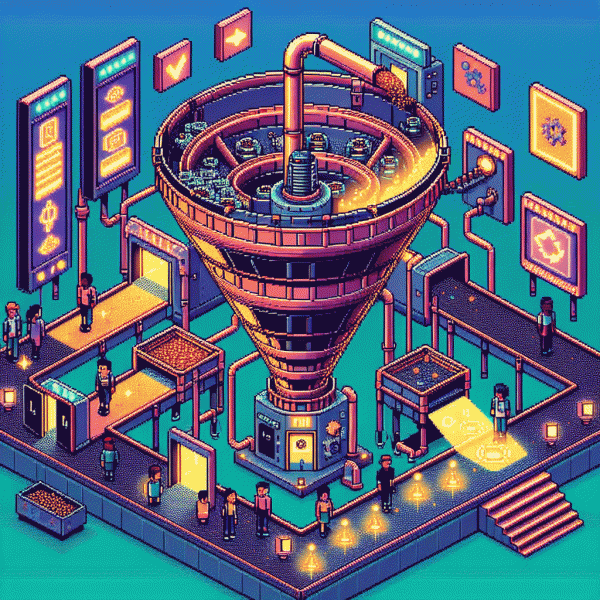
Find Hungry Clicks: SEO, search ads, affiliates, and partnerships that bring buyers not browsers
Stop fishing for window shoppers — hunt intent. Start with transactional SEO: map high‑intent keywords (think buy, best, coupon, product + location) to dedicated landing pages that mirror ad copy and set a single, obvious CTA. Organize keyword lists by buyer stage, add product/offer schema, and surface price, stock and shipping cues so searchers see a buying page, not a brochure.
On the paid side, behave like a sniper. Use exact and phrase match for long‑tail buyer queries, layer negative keywords to kill tire‑kickers, and write ad copy that calls out price, urgency or guarantees. Use sitelink and price extensions, in‑market audiences and remarketing lists for search, and always send clicks to stripped‑down pages with one conversion goal. If CPA is too high, test short funnels: demo booking, instant coupon, or a low‑margin tripwire.
Affiliates and partnerships amplify hungry traffic without social noise. Recruit partners who already sell to your buyer persona, offer clear revenue share and exclusive coupon codes for tracking, and give them deep links to product pages. Co‑create conversion assets — comparison charts, email swipes, landing templates — and pay for verified sales only. That performance bias turns partners into an on‑demand paid search team.
Measure and scale like a scientist: connect query → session → purchase → LTV, not just clicks. Run focused A/Bs on offer, price anchoring and checkout friction, then pour budget into channels that show real purchases. Automate bid rules, use holdback tests to measure lift, and fold winning ad copy into organic pages. Do this and your zero‑social funnel will reliably deliver buyers, not browsers.
Craft the Irresistible Magnet: Offers and lead magnets that make opt-ins a no-brainer
Don't give prospects another generic PDF. Make opt-ins feel like a cheat code: specific, fast, and uniquely valuable to the customer's pain. Think in terms of one tidy outcome — save seven minutes, draft a reply, fix one ad headline — so the exchange (email for result) feels ludicrously fair.
Build magnets around instant utility: swipe files, email scripts, template packs, or a 3-step micro-course. Deliverables that can be used in under 15 minutes beat epic eBooks because curiosity converts faster than commitment. Use a single promise and a measurable result to remove friction and make the opt-in an obvious, low-risk win.
Package it like a pro: bold headline, 3 bullet benefits (what they'll get, how fast, tangible result), one short testimonial, and a single CTA button copy that says the outcome, not 'submit'. Use a clear file name and a friendly preview image — small cues that increase perceived value without extra work.
Need a live example to swipe? Offer a tasteful upgrade or add-on via partners like cheap instagram boosting service to demonstrate social proof and instant momentum — just make sure the partner offer is relevant, clearly optional, and improves your magnet's result.
Finally, test three variants: promise, format, and delivery email. Measure open-to-download and download-to-conversion rates, then double down on the winner. Ship the magnet instantly with an autoresponder sequence that delivers value on day one — you'll turn that 'maybe' subscriber into a repeat-engaged fan.
Land the Click, Win the Sale: A landing page flow that guides, not overwhelms
Think of your landing page as a smooth concierge, not a shouty mall kiosk. Start with a single, crisp promise that answers “what is in it for me” in one breath. A clear hero line, one primary CTA and a tiny visual cue guide attention instead of competing for it. This is the design mindset that turns cold clicks into curious buyers.
Structure matters: above the fold, lead with benefit + brief proof — a micro-testimonial or a quantified result. Immediately under that, use a compact section that answers the three quick doubts: cost, time, risk. Keep each answer to one sentence. Use bold microheadings (Benefit:, How it works:) to let skim-readers land exactly where they need. Use whitespace and contrasting color for your CTA.
Kill friction ruthlessly. Strip navigation, shorten forms, and replace long checkboxes with smart defaults and progressive disclosure. If you need info later, ask later — a post-conversion form or staged upsell keeps momentum. Add tiny microcopy near inputs to preempt hesitation, and a low-key confirmation message instead of a jarring redirect. Mobile-first interactions win here.
Finish with measurement and ruthless iteration. Track hero CTA CTR, form abandonment, time-to-purchase and average order value; then run small A/B tests on CTA copy, hero image, and form length. Celebrate quick wins, stash learnings, and iterate daily — a landing page that guides is a living experiment, not a brochure. Ready to optimize? 🔥
Nurture on Autopilot: Email sequences that warm leads and spark take my money moments
Think of your email sequence as a slow-burn espresso shot: it nudges, perks up curiosity, and then causes an irresistible "take my money" twitch. Start with micro-commitments (a free checklist, a tiny win) that prove you understand the reader and lower friction for the next ask.
Map 3-5 steps: welcome + value, social proof + story, product edge + FAQ, limited offer. For fast validation, include a low-friction offer and an unambiguous CTA — test that CTA using a landing page or a service like get 100 instant instagram followers to drive initial social proof spikes that make later emails convert better.
- 🆓 Free: open with something useful and instant — a checklist or swipe file.
- 🤖 Sequence: automate 3-7 touchpoints spaced 24–72 hours apart.
- 🚀 Offer: end with a low-risk, time-limited deal to spark urgency.
Keep lines short, subject lines punchy, and one goal per email. Use a pattern: Hook → Value → Social proof → CTA. Monitor opens, clicks, and offer conversion; double down on templates that beat the baseline by +20%.
Ship the minimum viable funnel, then iterate weekly. Small wins compound: better segmentation, clearer benefits, and the perfectly timed ask turn cold subscribers into delighted customers — without spending another minute glued to social feeds.
Scale What Works: Simple analytics and tweaks that push conversion rates up and to the right
Find the needle in your funnel and then use tiny, measured nudges to yank the conversion rate higher. Ignore shiny follower counts — the data that matters lives in step-level conversion, time-on-step, and the commit rate from visitor to buyer. Treat your funnel like a garden: prune the dead leaves (friction), water what flowers (high performers) and propagate the cuttings.
Keep analytics lean: track five signals max, instrument them simply, and check them daily. Useful basics: conversion rate per step, drop-off points, average order value, and page load time. Use event tags or simple goals so you can A/B a headline or a CTA and see real lift instead of guessing. When something moves, dig into cohorts (new vs returning) so you know if the win scales or was a one-off spike.
- 💥 Headline: swap one power word and test time-to-click; often the biggest lift for zero-social landing pages.
- ⚙️ Form: remove or combine fields—reduce friction and watch completion rates climb.
- 🚀 CTA: change color, copy, and micro-copy under the button; small wins compound fast.
Scale winners by increasing traffic in controlled blocks: 2x traffic while monitoring conversion, then 4x if the rate holds. Automate simple reports, set significance thresholds, and stop tests early only when you hit minimum sample sizes. Keep a short experiment log so your best tweaks are repeatable, then roll them into paid channels and landing templates—rinse and repeat.