Steal This No-Social Funnel That Converts Like Crazy (No Posting Required)
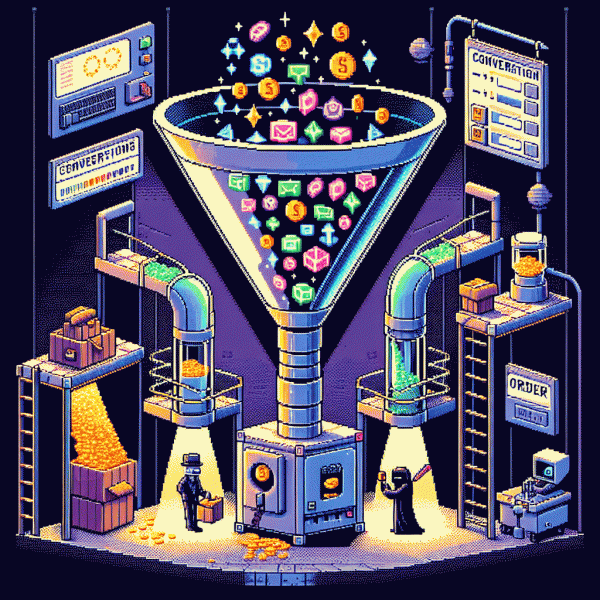
Traffic Without Social: SEO, intent ads, and partner swaps that never runs dry
If you want traffic that keeps pouring without posting every hour, aim for channels that compound: search, purchase-intent ads, and smart partner swaps. Start with a tight seed keyword list (think long-tail phrases customers type at 2am) and build content clusters that own those snippets. Also lock the technical basics — fast pages, schema markup, and canonicalization — so your work actually ranks.
Intent ads are the gasoline you buy for scale: target exact-match keywords where someone already wants to buy or solve a problem, then funnel them to single-purpose landing pages. Use a micro-commitment (email, short quiz, or calendar slot), layered retargeting, and aggressive negative keywords to stop wasting curiosity clicks. Add dynamic text insertion and quick creative A/Bs; feed the winners back into organic content.
Partner swaps are barter for attention and wildly underused. Find non-competing brands that share your buyer persona, propose a value-first swap (email mention, co-hosted webinar, or content bundle) and split tracking links. Use a 3-line outreach script: compliment, offer clear mutual benefit, suggest a time-boxed pilot. Start small — 5–10% of an email or a single landing link — measure installs and LTV, then scale profit-share if ROI looks good.
Turn winning pages into perpetual lead funnels: add a quick quiz, gated audit, or mini-course that feeds a drip sequence and a cold-to-warm workflow. A/B test subject lines and CTAs, and use UTM parameters for every partner swap so you can attribute confidently. For quick inspiration and conversion mechanics, check an authentic instagram boost site to see how visitors become social proof and rapid validations for offers.
Quick checklist to steal and run: Seed: 20 long-tail keywords; Ad: 1 high-intent ad group + negative list; Partners: 3 outreach targets with tracking. Execute one loop per week, measure acquisition cost and conversion velocity, and iterate. If you need templates, steal the outreach line and landing skeleton — this is funnel work, not busywork.
Landing Page Alchemy: Above-the-fold hooks that grab clicks and trust
Nail the first five seconds by swapping cleverness for clarity. Lead with a headline that names the exact outcome, follow with a one line subhead that removes doubt, and offer a concrete metric or promise right away. Use visual hierarchy so the eye lands on value first; scannable numbers and short verbs win over mystery every time.
The hero area is the handshake. Use a human photo or product snapshot, pair it with a one sentence benefit proof speed line, and show a trust cue within the same compositional block: client logo, star rating, microtestimonial, or security badge. Place the most believable proof closest to the headline so visitors connect claim and evidence in one glance and feel safe to click.
Button copy beats fancy design when it communicates outcome. Try benefit led CTAs like Get 3x Leads or Start Free Trial, and add concise microcopy under the button that removes friction: pricing hint, time commitment, or a simple guarantee. Include a subtle secondary CTA for low commitment visitors, and align clickable elements with the mobile thumb zone so conversion is effortless on small screens.
Measure the three second rule with heatmaps and run one surgical A B test per week: headline swap, hero image swap, CTA copy. Expect small lifts at first, then compound them into real growth; a 2 to 7 percent win per element scales fast. Above the fold is not decoration, it is the conversion engine for a funnel that works without social posting.
Lead Magnet That Pulls Like Gravity: Trade real value for real emails
Stop chasing likes — build something people will hand you an email for. A magnetic lead magnet isn't a vague checklist or another "5 tips" PDF; it's a micro-solution that delivers one clear win in minutes. Aim for utility over fluff: templates that save time, a tiny calculator that removes guesswork, or a step-by-step mini-workshop that gets results before lunch. Be specific, promise a tiny victory, and make the path to that win obvious.
Design offerings people can't resist and match them to intent. A few high-performing formats to test immediately:
- 🆓 Free: A plug-and-play template that replaces a painful task in under 10 minutes.
- 🚀 Fast: A one-click tool or swipe file that shows instant improvement.
- 💥 Proven: A short case study + checklist that reproduces a small win for readers.
Make access frictionless: a single-field opt-in, immediate downloadable file, and a clear subject line that promises the quick win. Ask one smart qualifier question to segment (so your follow-ups aren't shotgun blasts), then deliver the asset within seconds. Follow that with a short, value-first 5-email mini-sequence — welcome + quick tutorial, a mini case study, an objection-busting explainer, a how-to walkthrough, and a low-friction offer — so the people who gave you their email feel smarter and are primed to buy. Track opens, clicks, and first-purchase rates, iterate ruthlessly, and let the no-post funnel pull leads like gravity.
The Lazy Close: A 5-email nurture that warms, proves, and asks
Think of the five-email nurture as a tiny conveyor belt: move a curious lead from “maybe” to “yes” without posting or begging for attention. Each message has one job — build warmth, prove value, remove friction, and then ask — so keep them short, focused, and relentlessly helpful. Use vivid micro-promises (one takeaway per email) and end with a single, obvious next step.
Structure: email 1 = a surprising, useful tip that earns attention; email 2 = quick social proof (one short quote or stat); email 3 = a mini case study or before/after screenshot; email 4 = handle the most common objection and offer a small risk-free test; email 5 = the ask with a time-limited bonus or clear guarantee. Subject lines: tease a result, not a product. Open with a one-line preview and keep the body skimmable with bolded outcomes.
Timing and copy hacks: send on days 0, 2, 4, 7, 10, or tighten for faster funnels. Personalize with name + recent behavior, use a raw-signature to feel human, and always include one P.S. that restates the outcome. If you need an easy win or to demonstrate momentum in the sequence, consider linking to a trustworthy boost like get instagram followers fast as a proof point for traction.
Measure opens, clicks, and reply rates; track revenue per recipient, not vanity metrics. Then iterate: swap one subject line, shorten one email, or replace a proof piece. The Lazy Close is lazy only in effort, not in intent — optimize relentlessly and let the funnel do the asking for you.
Print More From Each Buyer: Upsells, bumps, and post-purchase magic
Don't rely on one-and-done checkout moments — treat every transaction as a mini sales funnel. Build tiny, context-aware offers that feel like logical next steps: a $27 setup, a charged-for template, or a 30-day premium trial. Price them so they're an obvious win, not a debate.
Order bumps live where attention is highest: on the checkout itself. Make them one-click, clearly explain the immediate benefit, and keep the copy micro-conversational. A single persuasive line + a prechecked box beats long paragraphs. Track attach rate and you'll see how lifting one small element multiplies revenue.
The thank-you page is a secret conversion engine. Present a fast, time-limited upsell that amplifies the original purchase — no extra form, just a clear CTA and an image showing the upgraded result. Add scarcity (limited spots) and social proof (people who upgraded saw X results) and you're doing post-purchase magic, not just hope.
Automate post-purchase follow-ups to convert the undecided: a 24-hour email with a bonus, a 72-hour case study with a coupon, then a segmented cross-sell sequence based on behavior. Use purchase data to personalize offers — buyers of templates want coaching; buyers of services want add-on guarantees.
Think beyond one-offs: small recurring commitments and license upgrades lift lifetime value dramatically. Offer a low-cost subscription add-on during checkout, or a discounted renewals bundle on the first renewal page. Micro-commitments are easier to say yes to and compound faster than chasing new customers.
Measure everything: attach rate, revenue per buyer, and A/B test price, placement, and copy. Start with one bump, one TY offer, and one email sequence — optimize those three and your no-posting funnel becomes a money-printing backend.