Steal This No Social Funnel: Convert Like Crazy Without a Single Post
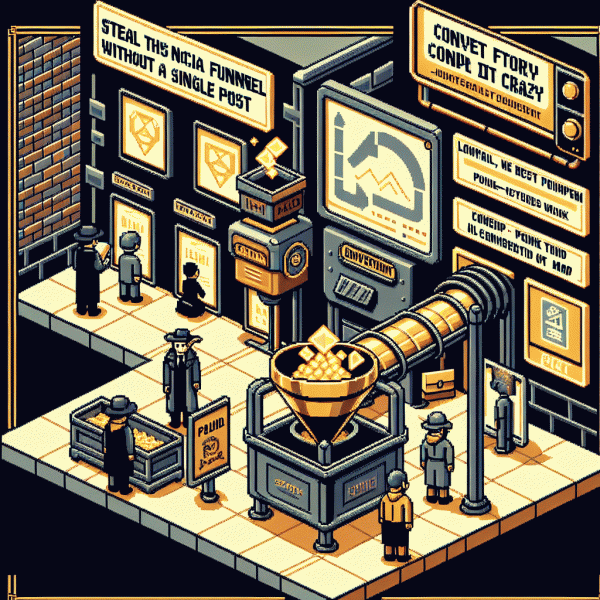
Find the Pain: Craft an Offer So Good it Feels Like Cheating
Stop trying to win attention with posts and start selling to human problems. The easiest way to convert without a single social update is to identify the exact itch your audience scratches themselves for at 2 a.m. Interview three real prospects, read support threads, and map the moment they quit or pay. That painful trigger is your shortcut: design an offer that removes friction, reduces doubt, and feels almost unfair to say yes to.
Turn that insight into a steal: stack value so the price looks like a typo. Lead with one irresistible core promise, then add downticket add-ons and a feel-good guarantee. Nail the positioning by testing three simple variants quickly:
- 🆓 Free: a tiny, immediate deliverable that proves value in 48 hours.
- 🔥 Fast: an express outcome your customer can point to within a week.
- 🚀 Proof: a risk-reversal—refund, replacement, or pay-on-results.
Write the copy like you're whispering to a friend: state the pain, describe the quick win, remove the risk, and tell them exactly what to do next. Use price anchoring (show the true cost first, then your discounted shortcut), and offer micro-commitments like a paid onboarding call or a short trial that filters the real buyers from the tire-kickers.
Then measure: track conversion at every touch, iterate the modular parts of the offer, and repeat the winner. This is how you convert like crazy without ever posting — because a human who feels rescued will buy, refer, and come back without you begging for likes.
Traffic Without Social: 7 Proven Sources You Control
Stop treating traffic like a mood. You can build predictable, controllable sources that do not depend on posting schedules or viral luck. Think search that pulls in intent, an owned email list that converts on repeat, paid channels you can tune, affiliate and partner programs that expand your reach, content syndication that amplifies authority, niche communities that foster trust, and live formats that close faster. Each is a lever you can pull.
Search: build content around clear user intent, cluster pages into topic hubs, and fix the boring technical stuff that kills rankings. Swap vanity keywords for long tail queries, optimize meta to raise CTR, and internal link like a librarian who loves conversions. Small structural wins here grow compounding organic traffic.
Email: capture leads with a sharp lead magnet, then automate a sequence that teaches, warms, and converts. Segment by behavior, reengage cold subscribers, and test subject lines and send times. Email is the channel you own; treat it like a storefront, not a newsletter graveyard.
Partnerships and affiliates: set clear commission rules, co-create content with complementary brands, and pitch podcast hosts with tight episode ideas that serve their audience. Host webinars or workshops with partners to share lists and split acquisition costs. Referral programs scale without constant content creation.
Paid, live, and syndication: use search and retargeting to capture intent and recycle visitors into webinars or gated demos. Syndicate pillar content to industry sites to borrow authority. Measure everything, start with microbudgets, and scale the creative that moves metrics. Pick one source, run a 30 day test, and iterate from there.
Landing Pages That Convert: Copy, Layout, and Trust Boosters
Think of your landing page as a tiny conversion engine that must do the heavy lifting social posts usually do. Start with a razor sharp promise in the headline, then support it with one clear benefit line and a single CTA that tells visitors exactly what to expect. Replace marketing fluff with outcome language so people know what will change for them in one sentence.
Design for speed and scanning. Use an F pattern layout, bold key phrases, and break long blocks into bite sized bullets. Keep the top fold focused: primary value, social proof hint, and an above the fold CTA. On mobile, make the CTA full width and thumb reachable. Microcopy matters too: tiny clarifications under buttons reduce hesitation and cart abandon.
Trust is a conversion multiplier. Layer quick credibility markers so visitors relax and buy. Try a compact mix:
- 🆓 Testimonials: one short customer quote with a small photo or initials to humanize results
- 💥 Logos: three recognizable partner or client badges to signal legitimacy
- 👍 Guarantee: a concise refund or trial promise that removes perceived risk
Final move: A/B test one element at a time—headline, CTA color, trust badge order—and use session recordings to see friction. Small copy swaps and layout nudges drive big lifts. Ship the smallest change that could plausibly improve conversion, measure, then double down.
Email That Sells: Automations that Warm, Nurture, and Close
Email is the stealth salesperson in your toolkit — when set up right it warms leads from curious to cash without a single social shout. Start with a tight welcome automation: Email 1 delivers your best free value, Email 2 shares a short proof story, Email 3 asks for a low-friction action. Keep copy conversational, subject lines under 50 characters, and one clear CTA per message.
Segment by behavior, not guesswork. Trigger flows when someone opens a product page, clicks a pricing link, or downloads a PDF. Use dynamic content to swap in recommendations based on that action and personalize the first sentence with their name + intent. Test subject lines like "Quick win for your X" vs "Can I help with X?" to learn what converts.
Warm sequences should feel human: a micro-case study, a behind-the-scenes peek at how you solve the problem, and a short demo video or screenshot. Space emails 2–4 days apart to avoid fatigue, and sprinkle in scarcity only where honest — e.g., limited seats or bonus calls. Track both opens and downstream actions; clicks tell the real story.
To close, build a short cart-close automation: reminder, objection-handling email addressing common hesitations, then a final deadline with a one-click path to purchase. Use pre-written replies and a fallback SMS when permitted. Aim to improve a single metric per test (open, click, or purchase) and ship the winner — the fastest route to consistent conversions.
Scale Smart: Track the Right Metrics and Patch Leaks Fast
Start by deciding the single action that makes a customer, then instrument everything around that moment. Track true conversions, not vanity trophies: cost-per-acquisition, activation rate, and early churn tell you if the pipeline is real. Treat every metric as a question: if it drops, ask why instead of explaining away the noise.
Build a lean observability stack: event-driven tracking for signups, trial starts, purchases and one or two micro-conversions that predict purchase. Use cohorts so you can see if a change helped users who started last week versus three months ago. Small sample tests beat fuzzy assumptions; log results and be ruthless about sample sizes and attribution windows.
When a leak shows up, isolate it with a rapid hypothesis, then fix the lowest-effort, highest-impact element first. Copy clarity, button prominence, and form field count are classic quick wins. Run a short A/B with a single variable, measure lift, then roll the winner. Patch fast, measure again, and avoid the temptation to redesign the whole experience mid-test.
Amplify what already converts: plug paid boosts or targeted traffic into the exact funnel stage that needs volume instead of blasting the top of a social feed. If you want a plug-and-play push for distribution without a social posting hustle, check this instagram boosting site to drive visitors straight to your high-converting touchpoints and validate ROI.
End each week with a three-item checklist: one metric to defend, one leak to patch, one experiment to launch. Repeat. Small, fast iterations compound into massive conversion gains — and you will scale smarter, not louder.