Steal This No-Cringe Playbook: Live Content Done Right on Instagram (Without Embarrassment)
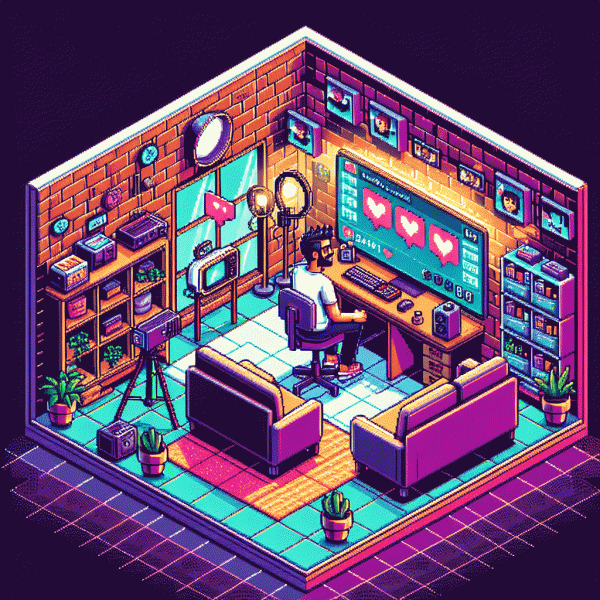
Pre-Game Like a Pro: Scripts, Setups, and a 10-Minute Rehearsal That Saves Your Reputation
Treat the first minute like a stage entrance: decide the theme, one-line promise, and what success looks like. Draft a 15-word opener, a 10-second hook, and a one-action follow-up for viewers. Keep the language human and curious, not stunt-y. A tight pre-game prevents the awkward ramble that kills engagement before you even get started.
Scripts give permission to riff, they do not kill spontaneity. Prepare three micro-scripts: a 5–7 second opener, a 20–30 second value drop, and a 10–15 second CTA. Put those lines on sticky notes or in your phone Notes app. Use natural cues: begin with a quick question, drop a bold stat, then tell viewers exactly what to do next — clarity beats cleverness every time.
Setups that look pro without a production team: soft window light at 45 degrees, phone at eye level, and a cheap lavalier or shotgun mic pointed your way. Clear distracting items from frame, add one simple brand prop, and enable Do Not Disturb. Disable heavy camera filters and lock exposure and focus; these tiny tweaks keep faces honest and make you look like you care.
Run a focused 10-minute rehearsal that saves reputation. Try one of these warmup modes before going live:
- 🆓 Free: Quick confidence boost — run the opener and close once, check sound, then go.
- 🐢 Slow: Walk through the script at half speed, practice segues and expected questions.
- 🚀 Fast: Full run in real time with camera on, record, and note three fixes.
Final minute routine: 0–1 verify frame and mic, 1–4 run opener and value drop, 4–7 simulate audience questions and segues, 7–9 practice the close and CTA, 9–10 breathe, smile, and hit Go. Record rehearsals and watch a quick clip to catch fake phrases. Repeat this short loop three times and you will walk on camera with calm confidence.
Hook Them in 5 Seconds: Openers That Stop the Scroll and Flood Your Live with Viewers
Five seconds is the magic window that decides whether someone keeps watching or keeps scrolling. Open with a tiny drama: a loud sound, an unexpected prop, a bold one-sentence confession, or a bizarre visual that makes viewers blink. Pair that disruption with a crystal-clear benefit in the next beat so they know why staying matters. Keep movement tight, audio bright, and face time honest — no awkward pauses.
Scripts are your friend but keep them micro. Try a bite-size shock stat like "80 percent of creators miss this growth lever," an impossible-sounding promise such as "watch me double this reach in seven days," or a direct dare: "Spot the difference in 10 seconds and I will reveal the hack." Say each line with intention, cut the dead air, and front-load emotion so the first five seconds carry weight.
Production tweaks win attention: set a compelling title, upload a striking cover frame, enable captions, and pin a clarifying comment before you start. If you want a safety net to seed real momentum without sketchy shortcuts, check this safe instagram boosting service that many creators use to kickstart audience signals while they test openers. Then give viewers a tiny task in second six — answer a poll, comment a one-word reaction, or type a guess.
Finish openers with a micro CTA that invites action: react, answer, or share the first tip. Algorithms reward early engagement, so design your intro to provoke it. Run a three-second preflight every time (audio, light, smile), record a short rehearsal, and iterate live three times. Do that and you will stop the scroll without feeling cringe.
Chat Like a Human: Handling Comments, Trolls, and Awkward Silence with Grace
Think of your Live comments as a backchannel, not a battleground. Open with a warm micro-script—pin a quick "Welcome" that explains chat rules and what's coming next—so viewers know they won't get ignored. Use the first two minutes to call out names, set tone, and cue an easy interaction (emoji vote, one-word answer). Small rituals remove the awkwardness fast.
Prepare three canned replies you can paste in under pressure: a friendly thanks, a quick FAQ answer, and a firm boundary message for trolls. Label them with short triggers so you type less and sound like someone who cares. When a troll arrives, don't feed the fire—either defuse with humor, redirect the convo, or quietly remove and block. Repeatable moves keep you human, not robotic.
Silence is a tool, not a terror. Have five micro-activations at hand: show a behind-the-scenes prop, ask a polarizing but playful question, demo a feature for 30 seconds, read one fan comment aloud, or start a two-choice poll. These reset energy instantly and get people typing. Frame them as invitations—"help me decide" beats awkward filler every time.
After the Live, honor the chat: reply to top comments, save useful replies as templates, and highlight community wins in your next post. Keep a simple metric—response speed—and improve it weekly. Small systems let you scale warmth without sounding rehearsed. Try one change per stream; within a month you'll have a human-sounding rhythm that feels confident, not cringe.
Lights, Audio, Action: Budget Gear That Makes You Look and Sound Legendary
Looking pro on a shoestring is not a myth. Start with three simple pillars: light, sound, and stability. For light, swap expensive softboxes for a small LED panel or a dimmable ring that clips to your phone. Use a white pillowcase or a bounce card to soften harsh shadows. Keep color temperature matched so skin tones do not look sickly under different bulbs.
Sound makes or breaks trust faster than shaky video. Plug in a lav mic like the cheap but trusty lapel option, or attach a compact shotgun microphone to a mini-stand for directional pickup. Record a short test and listen back in headphones; move the mic closer than you think. Treat echo with rugs and blankets rather than pricey acoustic foam.
Stability and framing are non glamorous but essential. A budget tripod plus a phone clamp delivers crisp, consistent framing. If you need movement, a simple handheld gimbal or a slow sliding tabletop rig does wonders. Backgrounds should be tidy and one color or softly textured to avoid distraction; add a tiny rim light behind you to separate from the wall.
Before you go live, do a 30 second rehearsal to check light, mic levels, and battery. For affordable growth tools and fast distribution, consider the instagram growth platform to get your upgraded content seen by more real people.
End Strong, Sell Soft: CTAs That Convert Without Feeling Salesy or Desperate
Closing a live isn't about theatrics — it's about leaving people with one tidy action that feels like a natural next step. Think micro-asks: a tiny, useful request that rewards the viewer immediately. Your tone should sound like a helpful friend, not a stage magician pulling a rabbit labeled BUY NOW.
Try lines that pair value with an easy movement: "Save this tip for later" or "DM me 'Yes' and I’ll send the checklist." If you need tools, I've spotted the best instagram boosting service for quick validation—use sparingly and transparently so the CTA stays human. Control friction: make the button or gesture trivial.
Structure every ending with three beats: remind (one-sentence recap of value), reduce friction (exactly what to tap or type), and reward (what they get back). Swap urgency for clarity: "Limited spots" sounds pushy; "I have five quick slots for feedback" feels specific and real. Test two soft asks per stream to see what lands.
Scripts to steal: "If this helped, tap save — I’ll send a worksheet to everyone who does"; "Drop a 🔥 if you want a follow-up post." Keep language short, specific, and optional. End with gratitude, not a hard close, and you'll sell more without sounding desperate.