Steal This Funnel: The Strategy That Converts Cold Social Traffic Into Hot Buyers
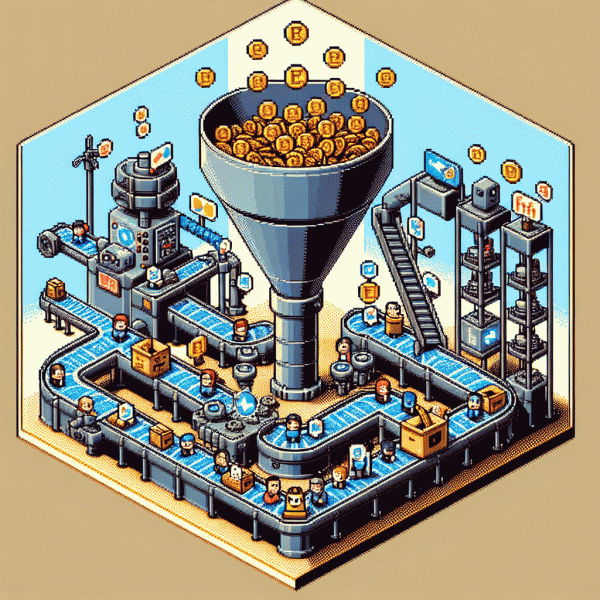
Why cold traffic ghosts you - and how this funnel breaks the ice
Cold visitors ghost because what they see is a promise without context. An ad pops up, a landing page asks for too much, and the visitor has no reason to trust the brand yet. Attention is fleeting, relevance must be immediate, and friction is fatal. The result is a fast exit and zero signal about real interest.
The remedy is a staged warm up that respects attention and earns a tiny yes. Lead with one hyper specific utility item that solves a narrow pain. Follow with a low friction micro commitment like a quiz, checklist, or 30 second demo. Use short social proof and personalized retargeting to show that other people like them found value. Each step lowers risk and builds the kind of context that turns curiosity into engagement.
- 🆓 Free: give a one task lead magnet that delivers immediate relief and proves value in seconds.
- 🐢 Slow: nurture with a two to three message drip that tells a micro story and layers social proof.
- 🚀 Fast: present a clear, timed offer after the second micro signal, with an easy path to buy or book.
Practical checklist to implement: map creative to each stage, build the lead magnet, set up micro conversion tracking, and run a short retargeting window. Watch CTR to magnet, download completion rate, and micro conversion lift before measuring final sales. Iterate hooks and timing quickly. Treat cold traffic like a guest who just needs a better welcome and a simple reason to stay.
From click to crave: the 3-step warm-up journey that melts resistance
Cold clicks are not enemies; they are curious, distracted, and suspicious. Your job is to warm them without yelling. Build a three-move sequence that reduces friction, earns a tiny yes, and primes desire. Think scent, not shove: a trail that leads to craving.
First, capture attention with a low-stakes win. Offer a micro-commitment like a one-minute checklist, a single-question quiz, or a swipe file. These deliver value fast and record interest. Use clear framing and an immediate payoff so the user says yes before resistance forms.
Second, deepen trust through value-rich follow ups. Send a proof-packed DM, a short case clip, or a behind-the-scenes GIF that demonstrates outcome. Layer social proof and quick tutorials. Frequency beats intensity: drip helpfulness, not a hard sell.
Third, present a low-friction offer that feels inevitable. A time-limited trial, a discounted starter pack, or a guarantee removes risk. Make the CTA specific, benefit-driven, and extremely easy to act on—one tap and one clear next step.
Track which tiny asks convert and iterate fast. Swap headlines, reorder steps, test timing. The funnel that melts resistance is built from micro-wins, relentless helpfulness, and an offer so logical the prospect almost feels guilty to refuse.
Lead magnet magic: one irresistible promise, zero sleaze
Cold feeds are noisy and attention is thin. Your lead magnet wins when it makes one crisp, believable promise that a stranger can picture delivering fast. Nail a single outcome, name the timeframe, and avoid vague fluff so people click without squinting.
Deliver that promise in a format people actually consume: a 3-step checklist, a 5-minute video, or a swipe file that saves time. Give one fast win, then ask for the email. If you want an easy traffic partner, try free instagram engagement with real users to feed your opt-in funnel.
Design the magnet so its content previews your paid offer: a template, a mini case study, or a method snapshot that makes the next step obvious. Keep the tone human, skip jargon, and make the value immediately usable so subscribers trust you before they buy.
When promoting, write headlines that promise that single result in ten words or less, and follow with small proof — a stat, a micro-testimonial, or a before/after line. CTA should be clear and low friction: "Get the checklist", "Watch the 5-minute fix", "Grab the swipe".
Finally, automate a short welcome sequence: deliver instantly, show social proof, and present a low-friction entry offer. Test different single promises, measure which one warms cold traffic fastest, and double down on the winner.
Nurture on autopilot: the 5-email sequence that builds trust fast
Cold social clicks are cheap; trust is not. Build a tiny, lovable sequence that turns those indifferent scrollers into people who actually open your emails. Start by promising one small, immediate win in the welcome message and deliver it — that first impression does more heavy lifting than any flashy ad. Keep the tone human, slightly witty, and focused on usefulness, not on features.
Map the five emails like a mini-relationship arc: 1. Welcome: deliver the promised win within 24 hours; 2. Value: teach something one practical step at a time; 3. Proof: social proof or a quick case study; 4. Objections: answer the two most common hesitations; 5. Invite: a low-friction offer with a clear next step. Cadence matters — start tighter (1–2 days) then space out (3–5 days) so curiosity grows instead of dulling.
- 🆓 Free: a no-strings checklist or micro-guide that solves a single problem fast.
- ⚙️ Automated: triggers based on clicks or inactivity so every prospect feels personally cared for.
- 🚀 Fast: short, scannable emails that end with one clear CTA.
Want plug-and-play subject lines? Try: "Quick win inside →", "How X fixed Y in 48 hours", or "If you're stuck with Z, start here". Ship this handful of messages, watch open rates climb, and then A/B a single sentence per email — tiny tweaks compound. This is the exact deployable sequence you can steal, tweak, and run on autopilot to turn cold social traffic into genuinely interested buyers.
Micro-offers and proof: tiny prices, big yeses, and retargeting that seals the deal
Start small: offer a micro-offer priced so low it triggers a reflexive yes — think $1 to $7, not a coupon. The goal is commitment, not margin. That tiny purchase converts anonymous social scrollers into trackable customers and funds immediate creative testing. Use a single strong promise, a visual of the result, and one clear CTA. Low price removes risk; fast delivery seals trust.
Back the bait with proof: show a short success line, a screenshot of the product in use, and a compact testimonial. Add small numbers (orders today, rating) so social proof feels real not manufactured. If possible, offer a 30-day guarantee or instant support chat so buyers feel safe. Proof should be visible on the checkout page and the follow-up email.
Retargeting is where micro-offers multiply value. Segment buyers who took the small step, then serve a sequence: a thank-you upsell, a use-case video, and a limited-time bundle. For non-buyers, run a quick social ad with the original creative plus one new angle — urgency or a bonus. Track events at every touch so you can optimize cost per acquisition and lifetime value.
Execute fast tests: price at 1x, 3x, 5x; swap headlines; test one social proof element per variant. Keep checkout one page, prefill fields, and accept frictionless payments. Measure conversion by cohort and double down on the sequence that creates predictable repeat buyers. Tiny ask, big yes, then nudge them into the next logical purchase — that is the funnel steal.