Steal This Funnel The Simple Strategy That Converts Cold Social Traffic Fast
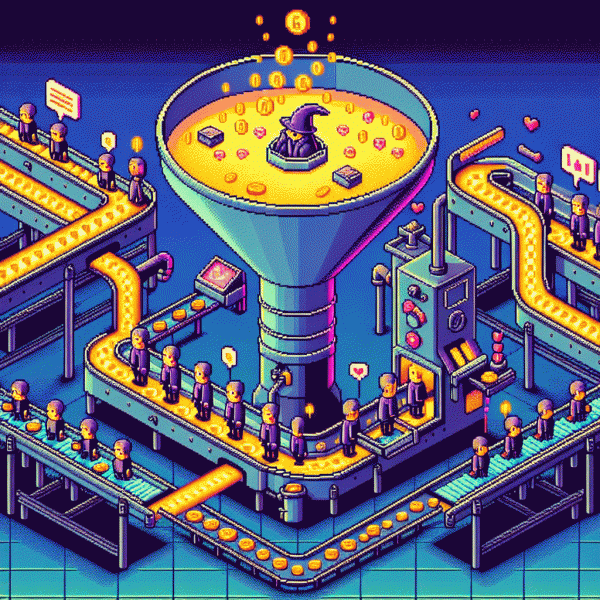
Hook Warm Convert The 3 Step Path From Scroll By To Sign Up
Stop the thumb in three seconds and you win the rest of the encounter. Lead with one crisp curiosity gap or a tiny shock of value: a bold stat, a relatable mini story, or a weird visual that demands a second look. Use the first frame to promise a micro payoff and signal exactly what the viewer will gain in the next five to ten seconds.
Once attention is grabbed, warm them up with tiny trust builders that do not ask for much. Roll out a short credibility strip: a quick result, a friendly behind the scenes line, and a real comment or quote that proves other people care. Favor micro commitments like watching another clip or tapping to reveal a tip. These small yeses prime a larger yes later.
Convert by making the next step impossibly easy and obviously worth it. Swap vague CTAs for benefit first copy, for example "Get the two minute checklist that doubles leads." Remove friction: one field, one button, or an instant DM reply. Use scarcity only when genuine and pair urgency with a free immediate win so the user feels smart, not pressured.
Run fast experiments: three thumbnail styles, two first-frame hooks, and two CTAs. Track CTR, seconds watched, and conversion rate off the bio link. Iterate weekly and scale the combination that stops the scroll, warms the mind, and converts with minimal friction. Treat each component as swappable Lego pieces and you will have a repeatable path from cold scroll to sign up.
Top Of Funnel Bait Thumb Stopping Creatives That Spark Curiosity
Cold social feeds move fast; the creatives that win are the ones that stop thumbs and whisper 'wait, tell me more.' Build an irrepressible hook into your first frame: a bold visual contrast, an unexpected motion, or a split-second line that breaks a pattern. Think of the opener as a tiny mystery — not a product demo — that teases a payoff and makes scrolling feel like skipping a spoiler.
Make that mystery tangible with concrete craft. Use close-up faces, color pops, kinetic typography, and a sound cue that works with and without audio because many viewers watch muted. Keep the clip tight — under 10–15 seconds for Reels and TikTok — so the curiosity loop closes fast. Overlay a single, punchy phrase in readable type; let visuals do the heavy lifting and captions carry the rest.
Write to provoke a tiny information gap: start with a counterintuitive fact, a surprising result, or a question the viewer wants answered. Avoid feature lists; tease an outcome or reveal a micro-hack they can imagine using instantly. End the creative with a soft directional nudge — a glance, a reveal, or a one-word prompt — so the next action (pause, swipe, click) feels like the logical finish of that curiosity.
Scale quickly by templatizing winners: swap colors, voiceovers, faces, and captions to create 8–12 micro-variants, then run short A/B bursts to measure 3s attention, view-through rate, and CTR. Kill the underperformers fast and double down on retention drivers. Repurpose top performers across ad formats and organic placements to push cold social traffic into a tight retargeting loop that converts far faster than random blasting.
Middle Of Funnel Momentum Lead Magnets And Micro Yeses That Build Trust
Cold clicks rarely become customers because they lack trust — they trust small wins. Treat your middle funnel like a charm school: teach visitors to say yes in tiny, confidence-building ways. Swap the long ebook for a 60-second checklist, the webinar for a 3-step video, and the vague discount for a momentary win that proves value.
Start with irresistible, low-friction options people can opt into in seconds. Small asks reduce friction and increase curiosity — and curiosity converts. Try to make the first interaction feel like a fast win, not another heavy commitment.
- 🆓 Free: A one-page cheat sheet that solves one pain in under a minute — perfect for ad traffic.
- 🐢 Slow: A mini email course (3 quick lessons) that shows progress without commitment.
- 🚀 Fast: A 2-minute diagnostic or quiz that delivers a personalized tip and asks for a tiny follow-up.
Deploy these magnets as gated content on landing pages, story links, or retargeted creative; then measure micro-metrics (click-to-download, quiz completion, follow-up opt-in) and iterate weekly. The goal is not to close the sale yet; it is to stack micro-trust like building blocks so when you ask for the big yes, it feels inevitable and fast. Run quick A/Bs: test one-metric changes, kill what lags, double down on what bumps conversions.
Bottom Of Funnel Close Offers Proof And Urgency That Turn Clicks Into Sales
Bottom of funnel pages are where evidence and immediacy do the heavy lifting. Lead with a short social proof cluster — a headline number, a 1 line testimonial, and a trust badge — then make the action feel time sensitive. The formula is simple: show that others already converted, remove risk, and add a reason to act before midnight. That combination turns curiosity into a purchase decision.
Proof needs to be specific and visible at a glance. Use a live counter for recent purchases, a scrolling strip of real testimonials, and compact before/after stats. Micro proofs such as "300 joined in the last 48 hours" or "Rated 4.8 by 1.2k buyers" work because they are both believable and scalable. Screenshots and short video clips from customers add authenticity that canned copy cannot match.
Urgency must feel earned, not fake. Use real scarcity (limited inventory, capped bonuses) and real deadlines (today only, ends at midnight local time). Layer a countdown timer near the CTA, show remaining units when applicable, and attach a fast-action bonus that expires with the timer. Pairing a money back guarantee with a clear expiry paradoxically increases conversions, because buyers see low risk plus a clear prompt to act now.
Close offers by stacking value: core product, a fast-action bonus, a risk reversal, and a one click checkout. Keep the checkout friction free and repeat the social proof on the payment page. Example line to test: Grab instant access + 90 day guarantee — bonus drops at midnight. Small experiments with these levers will reveal the exact urgency and proof mix that converts your cold social traffic into sales.
Plug The Leaks Metrics And Tweaks That Turn A Trickle Into A Flow
Think of cold social traffic as a bucket with three tiny holes: ad creative that gets ignored, landing pages that don't convert, and checkout or sign-up friction that lets interested people bail. Start by naming each leak and assigning a metric to it — CTR for creative, landing-page conversion rate for clicks, and micro-conversion completion for actions. Once you quantify the leaks, fixing them stops the drip fast.
Small tweaks yield big returns. Swap one word in your headline, shorten your form to three fields, move the CTA above the fold, compress images for faster loads, and add a single customer quote. Run one A/B test at a time and treat negative results as data, not failure. If your CTR creeps below your baseline, fix targeting or creative; if conversions limp, simplify the offer and reduce cognitive load.
Measure rigorously and smartly. Tag every ad with UTMs, track micro-conversions, and build a funnel dashboard that shows where people drop off. Use heatmaps and session recordings to spot confusing elements, and cohort reports to see if fixes actually stick. Always compare incremental revenue to cost: reducing churn by a few percent can eclipse the whole ad spend if you preserve lifetime value.
Your plug-the-leaks playbook: audit with data, prioritize by impact, run focused 7–14 day experiments, and only scale winners. Layer a low-friction retargeting sequence to capture warm but not-ready visitors, and automate the follow-up that nudges them over the finish line. Do this consistently and what was a trickle becomes a reliable flow — fast, measurable, and delightfully profitable.