Steal These No-Cringe Instagram Live Moves: Go Live Without the Embarrassment
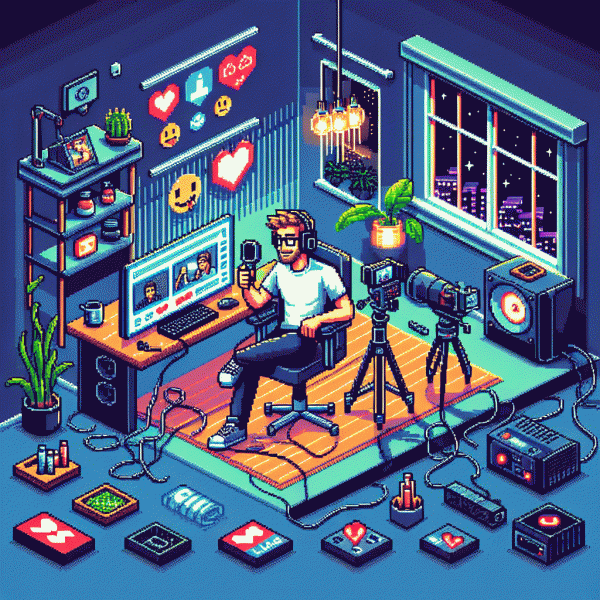
Prep like a pro: the 10-minute runbook that kills awkward silences
Think of this 10-minute runbook as a pre-show ritual that fends off freeze-ups and awkward silences. Treat it like a chef's mise en place: quick, deliberate, and focused on one promise—what your viewers will get in the next 20 minutes. You're not rehearsing a TED talk, you're stacking safe bets.
Minute 0–1: tech and lighting triage. Check mic levels by recording 5 seconds, test camera framing (eye line at one-third), and kill noisy apps. Tidy the background or add one branded prop; clutter creates a dialogue killer faster than silence does.
Minute 1–3: decide the three things. Pick a punchy opening line, two juicy mini-topics, and one surprise or takeaway. Write each as a 7–12 word bullet so you can glance and keep momentum without memorizing a script.
Minute 3–5: warm your voice and your energy. Do a quick breath-vocal run, smile into camera for 30 seconds, then rehearse your first 60 seconds out loud—this is your anchor. Prepare two live prompts that invite replies (ask for a city, emoji reaction, or yes/no).
Minute 5–7: set interaction mechanics and safety nets. Label your fallback stories and three micro-prompts, and queue a visual or prop to break any lull. Keep this tiny checklist handy:
- 🆓 Warmup: 30s voice + smile to settle nerves
- 🚀 Script: 3 bullets: Hook, Value, CTA—one glance, move on
- 👍 Backup: 2 stories or a live question to restart momentum
Minute 7–10: final polish and the go-live ritual. Pick your CTA, decide who you’ll call out by name, mute notifications, take a grounding breath, and count down aloud. Then hit go—you've prepped like a pro, and silence won't stand a chance.
Hook them fast: openers that keep Instagram Live viewers glued
Hit the first 10 seconds like a trailer: make a clear promise and then add a tiny twist that makes people lean forward. Try quick teases in bold so the energy lands fast: "3 quick tricks to boost your DMs—stay for number 3" and "I tested this hack for 7 days—results inside". Visuals help: show the thing you are about to reveal.
Use curiosity and urgency together. Drop a number, a time limit, or a surprising stat, then ask a question that invites replies. Examples in bold: "What one mistake is killing your reach?" and "Can you guess which caption got 10x more comments?". Silence is the enemy so keep pace lively.
Make an early interactive bet. Tell viewers to type a single word to claim a tip, or tell them to vote in the first minute. Offer a clear reward and follow through. Try: "Type GO and I will share the template". Use stickers, polls, and the chat to make it feel like a conversation.
Finally, rehearse a 20 second opener that combines promise, curiosity, and a CTA. Swap adjectives until it sounds like you. Short scripts scale: the same opener can launch tutorials, Q A, behind the scenes, or interviews. Do this and live will feel less scary and more magnetic.
Lights, camera, Wi-Fi: the zero-drama tech setup anyone can nail
Start with a tiny ritual: light, camera, sound, network. You do not need expensive gear to look professional. Aim for soft front light from a window or an affordable ring light placed just above the lens. Keep the brightest source facing you and avoid backlight. A small key light at a 45 degree angle adds depth and stops you from looking flat.
Camera choices are forgiving. A recent smartphone at 1080p will beat a shaky cheap webcam. Lock exposure and focus so the image does not hunt mid stream. Frame your face using the rule of thirds, with the eyes near the top third. Use a tripod or stable stack of books and test vertical versus horizontal if you plan to repurpose clips.
Good audio makes the biggest perceived upgrade. A simple lavalier or USB condenser mic will clear up muddy sound. Treat the room like a studio by softening reflective surfaces with a throw or rug. For connection, prefer Ethernet. If you must use Wi Fi pick 5 GHz, move closer to the router, and close background uploads and streaming apps to lower packet loss.
Before going live run a 60 second test recording, check battery and free storage, and have a backup device on hand. Keep a one page cheat sheet with hook, 2 talking points, and a call to action. Breathe, smile, and trust that a few simple tech moves will make the whole show feel effortless.
Engage without trying too hard: polls, pinning, and CTAs that feel human
Going live shouldn't feel like performing at a stuffy awards show. Treat your stream like a group text: relaxed, a little messy, and entirely human. Small features — quick polls, strategic pinning, and soft CTAs — are your backstage crew. Use them to direct attention without sounding scripted or salesy.
Polls are tiny decisions people enjoy making. Throw a two-option poll in the first five minutes to warm up, then reference results aloud: 'You, majority, wanted the behind-the-scenes—good call.' Use polls to choose demos, pick the next topic, or test jokes. Tip: follow up a poll with a short live reaction so viewers feel seen, not surveyed.
Pin comments like you pin a sticky note on a fridge. Pick a useful question, a viewer intro, or a laughing hot take and pin it to guide the flow. Pin a viewer's question before answering so latecomers know what you're responding to — it reduces repetition and keeps the vibe conversational.
CTAs that land are small and specific: ask for an emoji, one-word answers, or a quick '👏' if they agree. Swap generic 'subscribe' for lines like: 'If this helped, drop a 🔥 and I'll make part two.' Keep it optional, playful, and tied to value so it feels like a friendly nudge, not a commercial.
Mini-playbook: 1) Open with a poll, 2) Pin the best comment as your anchor, 3) Close with a tiny CTA tied to next content. Do those three things and your Live will be human-first — low-embarrassment, high-engagement, and refreshingly uncringe.
Fix-it fast: trolls, glitches, and stage fright handled in seconds
Live panic? Here's a 60-second triage. When your heart spikes, the stream wrinkles, or a troll pops off, you need three ultra-fast moves that look calm and keep viewers. Each is a one-sentence line you can actually say plus the two button presses to fix it — no tech degree required.
- 🆓 Mute: Tap to silence a comment or guest; remove + block repeat offenders fast so the vibe stays intact.
- ⚙️ Reboot: End the stream, switch camera off, relaunch in 20–30 seconds — tell viewers "BRB, quick refresh" to keep trust.
- 💁 Breathe: Narrate a 5‑second inhale, smile, and drop a scripted icebreaker to reset energy and cue people back in.
Use short canned lines: for trolls say "We keep it positive here — I'm muting negativity," for lag say "See stutter? Drop a screenshot and I'll relaunch in 30s." If a guest goes silent, mute their mic, spotlight someone in chat, and say "Great question, let's shout that out" to keep momentum. Know the three buttons: comments off, remove user, and end/relaunch — those are your emergency keys.
Quick rehearsal checklist: 1) mic check and charger in place, 2) Wi‑Fi or data prep, 3) pin a starter question and save two one-liners in Notes. Practice a 30‑second cold open so you never stare awkwardly. Treat glitches as improv material — a wink and a quip turn stress into authenticity. Repeat these fixes until they're muscle memory and you can deploy them without thinking.