Shoppable Content Outside Social: The Money-Making Move You're Missing
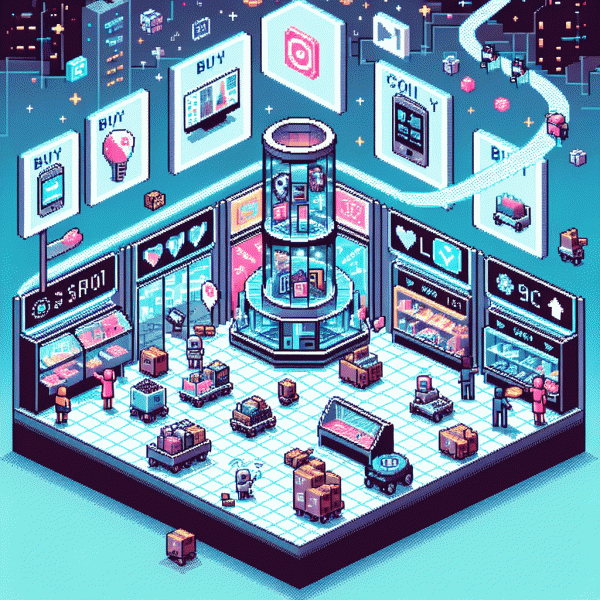
From Blog Posts to Buy Buttons: Turning Owned Media Into a Storefront
Treat each blog post like a curated storefront: lead with intent, spotlight product images and benefit-rich microcopy, then make buying obvious. Replace vague CTAs with specific, outcome-driven language and trim friction. Owned pages attract warmer prospects — optimize for conversion, not applause.
Add shoppable elements that feel native: inline product cards, clear prices, sticky buy bars, and prefilled quick-checkout flows. Use smart product tags in longform content so every mention becomes an action. Small interface tweaks often double conversion without heavy development overhead.
Don't rely on luck to get eyeballs — amplify your owned storefront with targeted traffic boosts while you iterate. For an easy start, consider partners who can help you grow real instagram followers, then funnel that attention into shoppable posts and pages.
Measure micro-conversions: button clicks, add-to-carts, email captures, and revenue-per-post. Instrument UTMs and heatmaps, run quick A/B tests on CTA copy and placement, then scale what moves the needle. The math tells you which posts pay — listen to it.
Copy, structure, and transparent policies close sales: honest reviews, clear shipping, and visible return terms reduce hesitation. Test limited-time bundles, one-click coupons, and post-specific upsells so readers become buyers. Treat owned media as a money-making asset, not just a content dump.
Email, SEO, and QR Codes: Where Shoppable Journeys Can Actually Convert
Email, organic search and QR codes are the underrated highway to actual purchases. Treat each as a tiny storefront: emails send intent-rich reminders, SEO brings discoverable product pages, and QR codes create immediate impulse paths from pack to cart. Build short, predictable flows that remove friction and match the customer mindset at the moment they click, scan or search. Think of them as low-noise channels where attention is higher and competition lower; that combination makes a measurable path to purchase.
Actionable moves: for email, include one-click product links, embedded shoppable blocks, and real-time stock snippets; for SEO, design product landing pages with clear buy CTAs, canonicalized attributes and schema markup so listings show price and availability; for QR, map single-purpose codes to mobile-optimized checkout pages and use UTM parameters to track origin. Personalize with past purchases, show urgency with stock counters, and pre-apply discounts for email recipients. Test microcopy, timing and checkout length until dropoff stops happening.
- 🆓 Free: Add previewable product carousels in newsletters that expand to purchase links—no extra navigation or redirects.
- 🐢 Slow: Optimize category pages and sitelinks for long-tail keywords that capture intent down the funnel and track CTR shifts monthly.
- 🚀 Fast: Deploy dynamic QR codes that route to product variants and prefill carts for frictionless checkout and faster conversions.
Measure everything: click-to-buy rate, time-to-purchase after the first touch, and cost-per-order by channel. Set a hypothesis for each test, pick a primary KPI, and impose short timelines — two weeks for email, six for SEO, and one month for QR pilots. Use those numbers to shift budget from low-intent impressions to channels that actually deliver revenue. Start small, iterate weekly, and celebrate when email or a tiny QR campaign outperforms a big social push.
What It Costs vs What It Pays: The Real ROI of Off-Social Shopping
Off-social shoppable content looks expensive at first: production, tagging, micro interactions, and commerce plumbing all add up. Treat that as setup spend, not monthly rent. When you build shoppable pages, product embeds, or buyable blog posts you are converting content into checkout lanes that keep working after the project phase ends.
Use a simple ROI formula to decide: Revenue = Visitors × Conversion Rate × Average Order Value. Profit = Revenue × Gross Margin − Spend. Example: spend 1000 to drive 5000 visitors at 2 percent conversion yields 100 orders. At a 50 dollar AOV that is 5000 revenue; at 40 percent margin that becomes 2000 gross profit, or a 2x return before considering repeat purchases.
Lifetime value is the multiplier. If those 100 customers come back once, LTV doubles and the initial campaign suddenly looks like a long term asset. Off social channels live on owned properties — email, your site, help center, and product pages — where each traffic dollar can compound through repeat visits and higher AOV by smart product placement.
Make it actionable: run a 30 day experiment with clear KPIs, instrument UTMs and server side events, and track assisted conversions. Prioritize quick wins like prominent buy buttons, one click checkout, optimized product embeds inside best performing posts, and clear measurement of CAC and payback days.
If the first test is rough, iterate; if it is strong, scale. The real cost is not the build, it is leaving owned commerce dormant. Build once, optimize continuously, and let off social shopping pay back for months.
How to Build It Fast: Tools, Templates, and Tracking That Won't Break the Bank
Stop overthinking: you can splice shoppable elements into existing touchpoints without rewriting your whole site. Start by mapping the high-intent pages (product pages, how-to posts, email promos) and replace static CTAs with modular blocks — think image + price + one-click add — that you can copy/paste across templates. Use lightweight embeds and prebuilt snippets so you're shipping features instead of specs.
Pick tools that do the heavy lifting but don't eat your marketing budget. A content-friendly CMS plus a commerce widget (Shopify Buy Button, WooCommerce blocks, or an embeddable cart like Snipcart) gives fast checkout. For gated products and downloads, try Gumroad-style buy links. For social-style galleries on your site, use a shoppable image plugin or a no-code tool that outputs responsive code you can paste into articles. Keep one repo of reusable templates: product card, promo banner, and a micro-faq — customize the copy, keep the structure.
- 🆓 Free: quick product cards made from your CMS templates to test demand in an afternoon.
- 🚀 Fast: embeddable carts (Shopify Buy Button/Snipcart) to accept payments without a dev sprint.
- ⚙️ Scalable: modular components in your design system so updates roll out site-wide.
Measure everything with lightweight tracking: UTM-tagged links, a couple of GA events for add-to-cart and checkout steps, and one dashboard that shows revenue per block. If you want to be clever, add server-side events or use a pixel proxy to keep accuracy high without breaking privacy rules. Ship a minimum shoppable experience this week, iterate with data next week, and you'll be monetizing non-social channels before lunch becomes dinner.
Case in Point: How One Brand Outperformed Instagram With On-Site Shoppable Guides
They stopped treating Instagram as the only checkout counter and instead built a guided shopping experience on their own site. The brand layered editorial-style product stories with instant buy buttons, grouped complementary items into inspired bundles, and surfaced those guides at the exact moments customers were considering a purchase. The result felt less like a social scroll and more like a helpful friend with great taste.
Within six months the brand saw conversion rates rise by nearly 30%, average order value climb, and paid spend on social ads drop because on-site guides turned discovery into direct purchases. Traffic from owned channels increased too, which made marketing spend easier to attribute and justify. If you want to replicate the lift but still need reach while the guides mature, consider a short term push to supplement organic growth.
For a quick reach boost without losing the on-site focus, try pairing your guides with a targeted promo and a measured ad push — for example boost instagram to re-ignite interest while the pages do the heavy lifting. Track visits that start on the guide and end at checkout so you can prove the on-site experience is not just pretty, it is profitable. Then reallocate spend to what actually drives revenue.
Here are three micro-strategies that moved the needle for them:
- 🆓 Free: Turn existing blog content into shoppable moments by tagging products inline.
- 🐢 Slow: Build a canonical guide hub slowly and test a few hero guides before scaling.
- 🚀 Fast: Promote top guides with a short, highly targeted ad burst to kickstart conversions.
Want a quick checklist to copy? Start with one high-intent category, craft a 4–6 item guide with clear CTAs, run a targeted promo to it, and measure. Little choices on your own site add up to big wins outside social.