Shoppable Content Beyond Social: The Revenue Leak You Didn't Know You Had
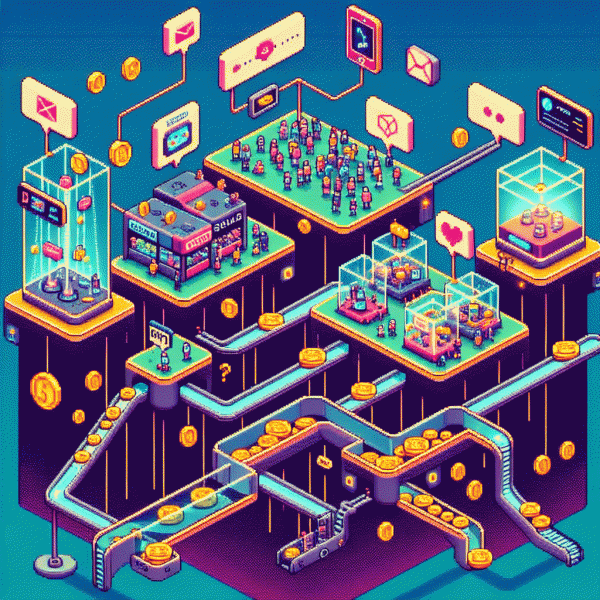
No Algorithm, No Problem: Turn Blogs, Guides, and Emails into Instant Carts
Think of every blog post, guide, and email as a miniature storefront rather than a passive read. With a few deliberate tweaks you can drop product panels, inline buy buttons, and micro-checkout widgets that invite immediate action. The aim is simple: keep storytelling alive while making purchase friction vanish.
Start by turning product mentions into clickable units: image-to-cart hotspots, price chips with embedded SKUs, and context-aware CTAs that preview shipping or bundles. Use client-side scripts to open a pre-filled cart modal so visitors never leave the article, and server-side tokens to secure one-click checkout for returning readers.
For email, think beyond plain links. Use interactive components where supported or craft deep links that carry cart state into your mobile app or web checkout. Add a bold primary CTA and a short secondary promise like fast returns to remove doubt and nudge that impulsive click.
Measure lift by tracking item-level conversions and time-to-cart, then iterate headlines, placement, and button copy. Small changes—image size, microcopy, or a tooltip—often unlock big revenue. Treat shoppable content as its own channel and run experiments until the leak plugs itself.
SEO Is Your New Sales Associate: Capture Searchers and Convert on the Page
Think of search as a round the clock sales associate who never needs coffee. When someone types a buying question into Google they are warm leads, not cold traffic. Treat each landing page like a mini shop front: lead with intent, show price and availability up front, and make the action obvious. Small tweaks here stop the slow bleed of shoppers who leave before they even see a buy option.
Start with intent mapping. Match long tail transactional queries to specific product or collection pages so content and offers line up with what searchers want. Optimize titles and meta descriptions like a good elevator pitch, then use Product and Offer schema to earn rich results that put pricing and stock in the snippet. Those visual cues increase click quality and reduce bounce.
Design the page to close the deal without detours. Place a sticky Buy control, add shoppable image hotspots, surface recent reviews and one line shipping info near the top. Use concise microcopy and a clear value proposition so people do not have to hunt. Think mobile first: a fast, thumb friendly experience converts searchers into buyers.
Measure and iterate like a savvy store manager. A B test CTA copy and placement, track microconversions such as add to cart and coupon use, and fix crawl or speed issues that suppress visibility. These are practical, high ROI moves that turn organic traffic into predictable revenue instead of unnoticed leakage.
Show Me the Money: Metrics to Prove It—AOV, CVR, and Time-to-Checkout
If shoppable experiences leak revenue outside social, you need hard numbers to plug holes. Focus on three metrics that tell real stories: AOV for spend depth, CVR to measure persuasion, and Time-to-Checkout to expose friction.
AOV — average order value — is the lever for revenue growth without acquiring more traffic. Track baseline AOV by channel, try bundle and cross-sell experiments, and count incremental lift. Even a 10% bump compounds fast.
Conversion rate proves whether your shoppable layer persuades. Break CVR into micro-conversions: product click, add to cart, start checkout, complete purchase. Optimize each micro step with clearer pricing, trust cues, and contextual CTAs, then attribute gains back to the content piece.
Time-to-Checkout is the silent killer: long journeys kill impulse buys. Measure median seconds from first tap to payment, then remove fields, enable saved payment, and offer contextual shipping estimates. Aim to cut time by at least 30% in early tests.
Build a compact dashboard with these three KPIs, set weekly experiments, and treat samples as living hypotheses. If AOV rises while CVR and Time-to-Checkout improve, you will prove that shoppable content beyond social is not a cost center but a revenue engine.
Build It Fast: Widgets, PDP Embeds, and Checkout Links That Don't Need a Dev Team
Think of shoppable widgets as tiny retail pop-ups that you can drop anywhere on the site without calling in a development SWAT team. Start with a no-code widget library or a CMS plug-in that supports product cards and checkout links. Pick a template that matches your PDP layout, swap images and price, and paste the embed snippet into the editor. The result looks custom but was assembled in minutes, not sprints.
Keep the rollout simple and measurable. Map each widget to a SKU and attach UTM parameters so every click maps back to a campaign. If your platform supports it, use API-less webhook forwarding or built-in inventory sync to avoid double entry. For product page embeds, enable dynamic content so the same block can show different sizes, colors, or localized pricing based on URL rules or query strings.
Optimizations that move revenue are small and specific: one-click checkout links that prefill email and shipping, sticky buy buttons on mobile, and compact upsell modules after checkout. Run an A/B test comparing an embedded buy button versus a classic CTA and measure conversion lift, average order value, and time to purchase. Track revenue leakage by monitoring abandoned-cart rates from each embed and closing the gap with clearer CTAs and fewer fields.
Launch in hours, iterate in days. Put governance in place so marketing can create widgets but product controls SKUs and pricing, and security enforces tokenized payment links. If you want a playful challenge, try converting your top blog post into a shoppable gallery before the end of the week. The payoff is compact: less friction, faster launches, and revenue that used to slip through content pages now captured at checkout.
When It's Not Worth It: Costs, Ops Overhead, and the Red Flags to Watch
Shoppable features sound easy: tag a product, let customers click, collect cash. But when the setup needs a fresh product feed, a dev sprint, and a new testing matrix, suddenly the flashy Buy button becomes a budget sink. Before you pour resources into sidecar carts or embedded checkout widgets, map the upfront investment (design, engineering, licensing) against realistic incremental sales — not optimistic influencer screenshots.
Operational headaches show up faster than conversions: feed mismatches, stale SKUs, wrong prices, returns, and customer service tickets you didn't staff for. Each broken tag is friction that eats your conversion rate; each manual fix is an hourly charge. Track the time-to-live of content, frequency of updates, and hourly ops burn. If maintaining the shoppable layer costs more than the revenue lift it generates, it's not a feature — it's a recurring expense.
Watch these red flags: Low average order value: micro-buys that can't cover fulfillment costs. Poor attribution: sales you can't confidently trace to the shoppable touch. High returns or fraud rates: the backend mess wipes out margins. Platform lock-in: integrations so bespoke you can't pivot. If two or more flags are waving, pause and reassess before you double down.
Be decisive: run a limited pilot with clear KPIs (incremental revenue, conversion lift, cost per conversion) and a strict kill date. Use simple math — if the incremental margin over three months is less than total implementation + ops, shelve it and reallocate to higher-ROI channels. Prefer modular builds you can toggle off and favor solutions that degrade gracefully — it's better to redirect to a product page than to keep bleeding time and cash.