Retargeting in a Privacy-First World: What Still Works (And What to Stop Doing Now)
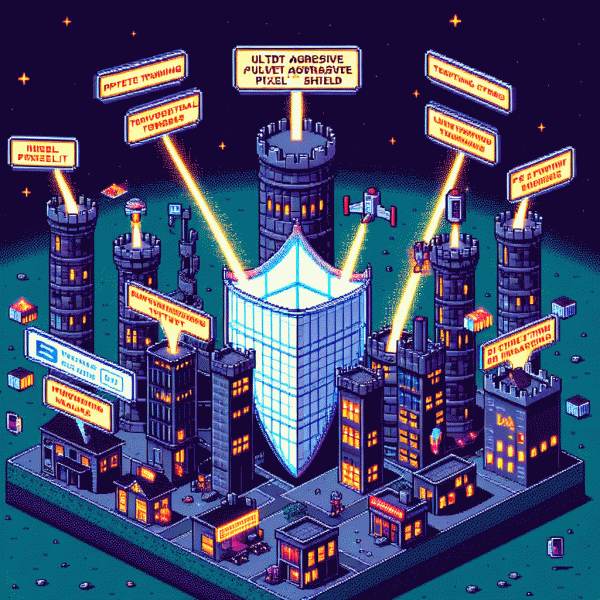
Cookieless, Not Clueless: Turn First-Party Data Into Repeat Clicks
Privacy rules closed a few old doors, but opened a giant safe: your owned touchpoints. Treat first-party signals like backstage passes — consented, context-rich, and way more honest than third-party scraps. Start by mapping every place customers leave a trace: site, app, subscriptions, in-store, and support chats.
Next: centralize without being creepy. Feed those events into a privacy-first data layer and a server-side collector so you own the logic, not a distant cookie jar. Enrich records with voluntary profile info and transaction history, then normalize timestamps and identifiers into a single, deterministic user key.
Bake intent into retargeting rules. Instead of blasting everyone who glanced at a page, trigger sequences from action-rich signals: cart additions, wishlist saves, demo requests. Use short, urgent windows for high-intent events and longer, value-building nurtures for softer signals. Keep creatives aligned to the inferred need.
Model smart: small ML models on first-party features can predict purchase propensity without third-party tracking. Even simple propensity scores improve who you retarget and when. If you're in regulated industries, consider privacy-preserving cohorts or clean-room scoring to share insights with partners while keeping raw data locked.
Diversify the reach: email, push, in-app, SMS and contextual ads are your new retargeting mix. Walled gardens demand cohort-friendly tactics, so translate first-party segments into platform-compliant audiences. Test creative formats—short video, dynamic images, and hyper-specific subject lines—and measure lift against holdout groups.
Run fast experiments and treat privacy as a feature. A simple AB on a 7-day cart-abandon sequence will teach more than blanket fear of losing cookies. Track conversions, CPA and lifetime value from your owned channels, then iterate: prune signals that underperform and double-down on behaviors that spark repeat clicks.
Server-Side for the Win: Keep Signals Flowing Without Creeping People Out
Think server side like swapping a nosy neighbor for a trusted barista: the coffee is still great, but nobody is peeking through your window. Shifting event capture to your server or a server side tag endpoint cuts reliance on third party cookies and browser fingerprints while preserving first party signals that power retargeting without the creepy factor. Add a consent gateway and honor signals before any forwarding, and you get signal continuity plus customer trust.
Practically, mirror key client events to a secure endpoint, batch them every few seconds, compress payloads, and enrich only with consented identifiers such as SHA256 hashed emails or first party IDs. Deduplicate at ingest with a simple event fingerprint, add precise timestamps and source tags, and forward privacy safe postbacks to ad platforms. Keep schema versioning so downstream systems do not break as you iterate.
For measurement, blend deterministic first party matches with aggregated modeling, conversion APIs, and holdout experiments. Use cohort based reports and privacy preserving windows rather than raw user level exports. Where direct matches are thin, apply probabilistic matching and imputation tied to confidence levels and surface those signals differently in bidding and reporting.
Do not transmit plain text PII, keep retention short, and log consent states. Start with a single campaign, validate server side counts against client side baselines, then roll out. Treat this as a respectful way to keep signals flowing: better data hygiene, clearer user choice, and retargeting that earns attention instead of losing it.
Consent That Converts: CMP Timing, Copy, and Offers That Boost Opt-In Rates
Timing is the secret sauce. Instead of smacking visitors with a consent banner the instant they arrive, let them sniff around—trigger the CMP after 3–7 seconds or on a meaningful engagement (20% scroll, first click). For returning visitors show a smaller nudge. Test a fast soft prompt versus a delayed full modal: sometimes waiting five seconds wins trust and converts more people.
Copy that converts is brief, benefit-led, and brutally honest. Lead with what users get: personalization, fewer irrelevant ads, or faster checkout. Swap “Accept cookies” for microcopy like Show me personalized picks or Keep browsing with basic privacy. Use one-sentence explanations of purpose and a clear secondary option—people opt in when they understand why and how their data helps them.
Offers should be contextual and low-friction. On product pages, pair consent with a small perk—early access, a 10% first-order code, or instant product recommendations—so the value is immediate. Use progressive asks: get consent for basic personalization, then request email for deeper customization. Keep incentives relevant to the page content and avoid blanket discounts that scream manipulation.
Make this repeatable: A/B test timing, headline, and CTA, and segment results by source and device. Track opt-in rate, downstream engagement, and retention to prove lift. Finally, skip the dark patterns—transparent, timely copy and a tasteful offer build long-term trust and a healthier retargeting pool.
Walled Gardens, Open Wallets: Crush Retargeting on LinkedIn With Matched Audiences
LinkedIn is the place B2B buyers actually carry wallets, and Matched Audiences is your backstage pass. Combine website retargeting, contact uploads and account targeting to stitch intent back to people and companies even as cookies fade. Because LinkedIn hashes contact data and enforces consent, you get scale without the creep factor—if you treat data as a privilege, not a fishing net.
Start lean: seed campaigns with recent site visitors and form abandoners, then upload segmented CRM lists (hashed emails) to amplify what already works. Build account-targeting lists for your top 100 prospects and layer job titles or seniority to sharpen relevance. Remember to exclude recent converters, check audience overlap, and use short retention windows for high-intent plays.
Creative wins on LinkedIn are subtle and useful—lead with insight, not a hard pitch. Use concise copy, case-study carousels or single-image ads with a specific hook, and soft CTAs like See the benchmark or Compare solutions. Don't spray-and-pray. Focus on 2–3 audience+creative combos, run tight A/B tests, and optimize for micro-conversions (content downloads, demo requests) before the big ask.
Measure with privacy in mind: rely on first-party conversions, CRM matchbacks and uplift tests rather than last-click cookie math. Where possible move tracking server-side and model gaps when signal drops. In practice, that means cleaner audiences, better bidding, and a higher ROI—treat matched audiences like VIPs and they'll repay you without the creepy tracking.
Creative With a Memory: Dynamic Ads That Feel Helpful, Not Haunted
Think of dynamic ads as a helpful friend, not a clingy ex. In a privacy-first world, the trick isn't showing everything someone ever viewed—it's delivering timely, useful nudges that respect context and consent.
Use session-level signals and contextual triggers: last-viewed category, price band, search intent. Swap exact product stalking for category-based creative, availability badges, and user-driven filters. Lean on clean templates that replace PII-driven detail with trustworthy cues: "You looked at similar shoes—here's a lightweight pair under $100."
Technical levers you can flip today: first-party data, hashed identifiers, and short-lived tokens let you personalize without long-term tracking. Add frequency caps and decay windows (strong reminder within 48 hours, soft nudges after 7 days). Always surface an easy opt-out and an offer or utility—stock alerts, outfit suggestions, or exclusive tips.
- 🤖 Personalization: Tokenized signals, not user history—recommendations based on recent session.
- 👥 Consent: Show preference controls and honor them immediately.
- ⚙️ Cadence: Set decay windows so reminders age out gracefully.
Ship templates that explain "why"—a brief line that says why the ad appeared—then test copy length and imagery. Measure helpfulness (click-to-save, not creepy dive rate) and prune anything that feels haunted.