Raw vs. Flashy vs. Weird: We Ran the Showdown—The Winner Will Shock You
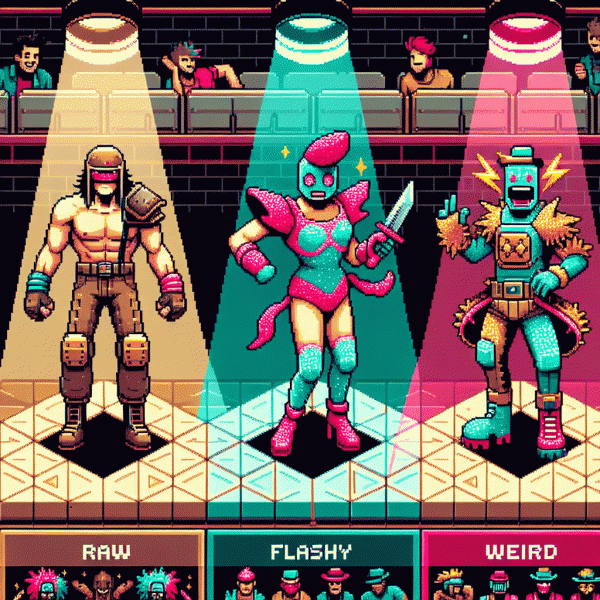
Raw: The messy magic that makes audiences say 'I feel seen'
Raw content is the kind of messy, half-rehearsed thing that opens a door into real life. A shaky frame, a stumble, a line that was not practiced—those imperfections are not errors; they are magnets. When a creator fumbles and recovers on camera, viewers sense permission to be imperfect. That permission is what turns empathy into comments, saves, and the little digital exhale that reads like a collective, "I feel seen".
The reason raw lands is simple: humans trust visible vulnerability more than polished perfection. Make it actionable by choosing one micro-risk per post—show a behind-the-scenes mess, name a small failure, ask a candid question. For a quick nudge that helps that authentic moment find a bigger audience, get free instagram followers, likes and views to amplify the first ripple without selling out the second.
- 🆓 Free: share a zero-budget truth—lighting quirks, a blooper, or an unedited reaction.
- 💥 Fast: favor under-30-second takes that feel like a chat, not a lecture.
- 👥 Human: show the person behind the product—reply with a short video, not a canned line.
Do not overproduce the raw. Plan the unplanned: give yourself a two-minute window to record imperfect material, then pick the single honest clip that lands. Use a short caption that invites confession, try a micro-series of small reveals, and lean into the small repeatable actions that build trust. Authenticity is a muscle; train it, and the more you flex it, the more often followers will type "I feel seen" and turn feeling into loyalty.
Flashy: When polish pops—and when it just burns your budget
Flashy work is the velvet rope: polished visuals, slick motion, and packaging that makes people stop mid-scroll. Built right, it shortcuts trust—especially for new products, paid ads and hero creatives that need to translate curiosity into a click. Think TV production values in snack-sized formats. The payoff is quick brand lift and higher CTRs, because humans still respond to shine.
Where it truly pops is when your objective is immediate attention and clear value: launch weeks, limited-time offers, or demos where a single look sells the idea. Actionable move: allocate a small paid slice, run a 7–14 day A/B test with your raw creative, and measure cost per click, micro-conversions and lift in the first 72 hours. Watch audience frequency and creative fatigue—the numbers tell you if polish is paying rent.
But polish can also torch budgets fast. The trap is overproducing for an unclear goal—spending five figures to prove a concept you haven't validated. Fancy effects slow feedback loops and make iteration expensive: a 45-second brand anthem costs way more to tweak than a 6-second demo. Instead, timebox production, build modular assets (short edits, adaptable templates), and repurpose one shoot into five ad formats.
Try this micro-framework: Step 1: define the one metric that matters. Step 2: test a flashy creative against a raw version with a tiny spend (try 10% of your creative budget for two weeks). Step 3: scale winners and kill losers after a fixed timeframe. A simple rule of thumb: let flashy amplify proven messages, not replace them. Keep some shine in the toolbox, but don't let it be the whole budget.
Weird: The scroll-stopper your brand is scared to try (but should)
Ready to stop being background noise? The trick isn't louder visuals or polished perfection—it's a single weird moment that forces a double-take. When someone pauses to decode your ad, their attention shifts from auto-scroll to curiosity, and curiosity is the secret ingredient of memorable, shareable creative.
Start small: pick one human imperfection, one absurd prop, or one honest confession and let it lead the piece. Keep the value crystal clear—what do I get?—then let the weirdness be the delivery system. Test variations: tone, framing, and the exact moment the oddity appears.
Here are three micro-experiments to try right now:
- 💥 Shock: Open with a tiny, dissonant image that interrupts scrolling and resolves with your benefit.
- 🤖 Human: Use an awkward real reaction—no polished actors—to build trust fast.
- 🔥 Viral: Twist a meme format so it unexpectedly highlights your offer.
This isn't reckless: run three 48-hour drafts, measure CTR and watch time, and scale the one that sparks conversation. The brand that marginally risks looking odd today is the one people remember tomorrow—so get weird, get results.
Battle stats: Metrics that crown a champ across awareness, clicks, and conversions
Pick the handful of metrics that actually decide a crown: reach and impressions to measure awareness, click through rate to measure interest, and conversion rate plus cost per acquisition to measure bottom line impact. Add secondary signals like time on site and repeat rate to spot sticky contenders. Raw, flashy, and weird will score differently on each axis; the winner is the format that turns attention into profitable action.
Make the contest objective by normalizing each metric to a 0 to 100 scale against your historical baseline or category top performer. Weight the categories to reflect business priorities — for example 30 percent awareness, 30 percent clicks, 40 percent conversions — and calculate a weighted total. Example: flashy A80 C50 V40 => total 0.3*80+0.3*50+0.4*40 = 56; raw A40 C60 V85 => total = 63; weird A65 C78 V55 => total = 65. Use that scoreboard to compare apples to apples.
Keep measurements clean: insist on sufficient sample size, a consistent attribution window, and tagged links so you can trace traffic back to creative. Ignore vanity spikes without conversion follow up and run simple cohort analysis to see if interest translates into retention. Statistical significance plus direction of effect beats gut feeling every time.
Optimization playbook by personality: if raw wins more conversions, squeeze more value from landing pages and trust signals; if flashy wins awareness, add retargeting funnels to lift conversion; if weird gets clicks, refine the value prop and reduce friction on the first visit. Test one hypothesis at a time, run for at least two full conversion cycles, and set a minimum meaningful lift threshold before declaring a champion.
Crown the winner using both stats and business impact: check significance, CPA, and projected lifetime value. The true champ is not just the loudest or oddest ad, but the one that reliably grows revenue. Keep the scoreboard live and iterate, because todays underdog can become tomorrows headline act with a few surgical tweaks.
How to pick your fighter: A quick test plan you can run this week
Think of this as a backyard fight club for ideas: pick three compact pieces of content that represent each vibe — raw, flashy, weird — and treat them like contenders. Your job this week is to create one clear version of each style (same topic, same call to action, same posting time) so the creative is the only variable. Keep runtimes short: 15 to 45 seconds for video, single-image plus a tight caption for static posts.
Run them on a tight schedule: post the raw piece Monday, flashy Wednesday, weird Friday, and repeat with a small tweak the following week if time allows. Use identical captions and hashtags and avoid boosting or cross-posting during the test window. If you are pressed for time, compress to three posts in five days but retain the control elements: same hour, same day part, same audience slice.
Measure with intent. Track reach, watch time or view-through rate, saves, comments, and follower conversion. Create a simple scorecard: weight watch time and saves higher if long-term retention matters, or weight comments and shares if virality is the goal. A consistent 15 to 25 percent lead on two or more KPIs usually indicates a meaningful winner instead of noise.
After you have a winner, double down: scale production of that voice, run micro A/B tests on hooks or thumbnails, and repurpose the core idea across platforms. Repeat the quick fight club every 4 to 6 weeks to stay adaptive. This plan is fast, cheap, and actionable — run it this week and let the data tell you which fighter earns the belt.