Raw vs Flashy vs Weird: The Creative Showdown You Did Not Know You Needed
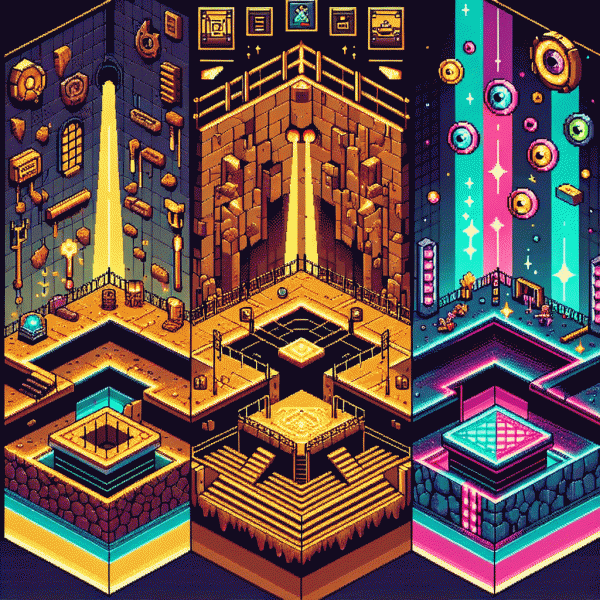
Spoiler Alert: The Style That Converts When Budgets Are Tight
When your ad budget is more snack than steak, the creative playbook should pivot. A pared back, honest approach wins attention because humans tune out polish when it feels staged. Think short, true-to-life moments that show value fast rather than expensive cinematic pans that only impress other marketers.
Start by making simplicity a feature, not a compromise. Use a single camera angle, natural light, and captions for sound-off viewing. Aim for 15–30 seconds with a punchy opening line in the first three seconds. Test one bold claim, one demonstration, and one real-customer reaction to see what moves the needle.
- 🆓 Free: repurpose user-generated content and customer clips to build authenticity without production cost.
- 🚀 Fast: create vertical edits with quick cuts and on-screen text for platform-native performance.
- 💥 Cheap: add a simple animated overlay or product-in-use shot to increase perceived value.
Measure ruthlessly: run small ad sets, compare CTR and CPA across creatives, and keep the three best performing variants. Rotate creatives every 7–10 days to avoid audience fatigue and scale the winner while trimming losers.
Embrace imperfect frames and real voices; they often convert better than overthought visuals. Once a raw winner emerges, clone the concept, tweak hooks for each platform, and reinvest savings into distribution for compounding returns.
Raw: Why Lo-Fi Trust Beats High-Gloss Hype
Think of raw as the social equivalent of a neighbor waving from their porch rather than a billboard in Times Square. Lo-fi content wears its fingerprints - shaky framing, abrupt cuts, off-mic laughs - and those tiny imperfections do heavy lifting for trust. When people see human messiness, they infer honesty; it's proof you're not hiding anything behind studio sheen.
High-gloss gets attention fast, but attention is air; trust is earned in the margins. Overproduced polish signals marketing, not conversation, which makes audiences skeptical. A quick, candid clip of a product being used often converts better than a cinematic spot because it answers the unspoken question: would a real person do this? Spoiler: they will, if they believe you.
Make lo-fi work without looking lazy: film short clips showing process, narrate mistakes aloud, and caption key takeaways for skimmers. Swap perfect lighting for real reactions; keep the voice consistent so viewers recognize you in their feed. Test formats weekly, then double down on the ones that spark meaningful replies — comments, DMs, saves — not vanity impressions.
Treat raw as a deliberate tool: not a lack of budget, but a strategy for credibility. Use it alongside flashy moments to punctuate launches, then measure whether authenticity lifts conversion. If your goal is real relationships rather than transient likes, betting on lo-fi trust usually pays better.
Flashy: When High-Production Sizzle Actually Moves the Needle
High-production flair is not decoration; when done with intention it is a performance engine. Flashy work grabs attention fast, sells context as convincingly as the product, and signals professionalism at scale. The trick is to treat every cinematic shot, sting, and sound cue as a data point: what reaction do you want? How will this creative push someone from curious to clicking? If you answer those, the sizzle stops being cosmetic and starts moving the needle.
Spend on gloss when the moment justifies it: category launches, crowded competitive sets, or moments when perception equals purchase. High-production content tends to extend watch time, lift ad recall, and make paid placements more efficient because people tolerate ad length when imagery and sound repay their attention. That does not mean infinite budgets; it means allocating resources where incremental clarity and emotional impact will pay back in conversion or shareability.
Design flashy to convert: anchor every frame to a single idea, open with an unmistakable hook, and make the value immediate. Use tight story beats, strong closeups for product credibility, and sound design that carries emotion even on mute. Plan edits for platform formats so the hero shot survives a 9:16 crop, and build at least two creative variants to test audience response. Always end with a clear next step so spectacle funnels into action.
Finally, be resourceful. Capture modular assets on set for repurposing, cut short-form bites for social, and run small A/B tests before scaling spends. Keep a parallel raw pipeline for authenticity experiments so you can choose speed versus spectacle based on results, not instinct. In short: make flash strategic, measurable, and reusable, and it will stop costing and start compounding.
Weird: The Pattern-Breaking Edge That Stops the Scroll
Weird is your tactical permission to make people pause. Not flashy, not raw — it's the tilt that makes a thumb hesitate mid-scroll because something doesn't fit the feed. The goal isn't shock for shock's sake; it's an invitation to look longer, smile, or scratch a head and then click — the kind of micro-moment that turns attention into action.
Start small: drop one unexpected visual, a sentence that uses grammar like a wink, or an absurd prop that fits your brand's mood. Test in tight pockets — stories, ads, and the first three seconds of reels — and measure dwell, taps and saves. If engagement spikes while bounce doesn't, you found a pocket of productive weird.
Pick a flavor and own it:
- 💥 Surprise: mismatch imagery or scale — think tiny people on big objects — to trigger a double-take.
- 🤖 Oddity: incongruent context — a boardroom with beach sand — to make viewers reframe meaning fast.
- 👥 Human: raw, strangely specific moments that feel like an inside joke and create community curiosity.
Run tight experiments and amplify winners. Once a variant gets the micro-conversions you want, push it into paid to squeeze reach, or iterate with a series that riffs on the same weird idea. For done-for-you ramp-up and predictable reach, check buy instagram boosting — it's a fast way to validate which oddities actually stick.
Wrap it into a system: hypothesize, test, learn, and scale. Keep the weird readable — clarity + surprise beats chaos — and you'll stop scrolls with confidence, not noise. Ready to get odd and measurable? Try one tiny anomaly this week and watch how many people choose to look.
How to Test All Three in 7 Days (Templates and Metrics to Watch)
Think of this as a creative sprint: one variable only — the look and feel — everything else locked. For seven days run the same audience, the same budget and the same CTA; swap only the creative. Start with a neutral baseline to set expectations, then give Raw, Flashy and Weird each their moment under identical conditions so your results actually mean something.
Day-by-day: Day 1 = baseline (no bells). Day 2 = Raw (authentic, handheld, behind-the-scenes). Day 3 = Flashy (quick cuts, polish, motion). Day 4 = Weird (odd hook, surprise payoff). Day 5 = iterate the top two performers with a slight twist. Day 6 = run a small A/B on your leading creative. Day 7 = analyze and scale the winner. Run each creative for a full 24 hours and keep copy length and targeting constant.
Use quick templates to speed production: Raw: short one-line hook + single candid visual + soft CTA. Flashy: bold headline card + high-energy montage + hard CTA. Weird: strange prop or unexpected beat + curiosity line + playful CTA. Shoot, edit and upload fast — the goal is signal, not perfection.
Metrics to watch: CTR for initial interest, engagement rate (likes/comments/shares) for social resonance, view-through or average watch time for retention, and conversion rate/CPA for business impact. Decision rule: champion the creative with a clear lift (example: ≥20–30% better conversion or engagement) and then double down. If it's a tie, run a focused A/B on the headline or first 3 seconds. Fast tests beat endless opinions — have fun and let the data decide.