Raw vs Flashy vs Weird: The Creative Cage Match You Didn’t Know You Needed
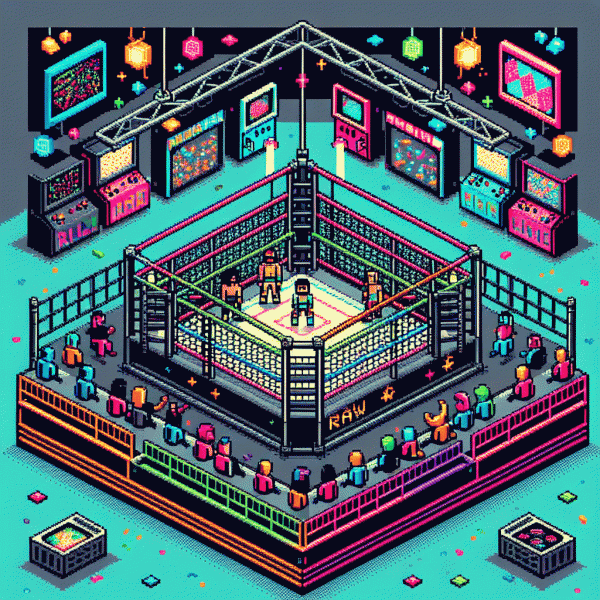
Raw: The unfiltered charm that converts skeptics
There is a magnetic pull in content that is slightly rough around the edges. When a brand speaks plainly, shows the glue stains, and admits to imperfect launches, suspicion melts into curiosity. That rawness signals two things at once: transparency and humanity. People who would scroll past glossy ads will pause for something that feels like it came from a real person, not a storyboarded studio.
Practicality beats polish when you want to convert skeptics. Try short, uncut clips filmed on a phone, candid captions that explain why a product exists, and customer photos that are not overedited. Use one bold claim and then back it up with an everyday proof point. Invite users to share critiques in the comments and respond publicly — that simple exchange builds credibility faster than any tagline.
Think of a small maker who switched from slick catalog shots to morning-brew videos showing product checks and packing mistakes. Engagement rose, but more importantly, purchase hesitation fell: people felt included in the process and trusted the brand’s answers. That trust does not come from art direction alone; it comes from repeated, honest interactions that make buying feel like joining a community.
Make a low-risk experiment: pick three raw formats (behind-the-scenes clip, candid Q&A, unfiltered customer photo), post them across channels, and measure comments and conversion lift after two weeks. If results improve, scale what worked and keep the voice human. Raw is not a rejection of quality; it is a shortcut to relevance, turning skeptics into advocates one honest post at a time.
Flashy: High-gloss hooks that stop the scroll
Flashy hooks are the high gloss magnets that stop the thumb mid swipe — think bright motion, oversized promises, and a visual that forces a second look. They trade subtlety for speed and are built to trigger an immediate reaction. When done with intention they spike attention and push people into your funnel; when done lazily they just rack up empty impressions.
Design for the first three seconds. Use instant contrast via color or motion, pair a single punchy line with a visual that answers the implied question, and favor faces or movement that create micro tension. Swap vague hype for a concrete outcome: replace grand adjectives with a specific result and you will see engagement lift.
A simple production formula makes flashy repeatable: Hook in 1 line, show micro proof, then give a clear next step. Translate that into assets and captions, then iterate fast. Try these hook styles:
- 🚀 Fast: One line shock plus a contextual visual; promise a benefit in 3s and deliver an immediate clue.
- 💥 Bold: Oversized type or color pop to own the frame; pair with a tiny proof snippet to avoid empty hype.
- 💁 Tease: Reveal half the payoff and force the scroll for the rest.
Finally, measure micro conversions like view through rate, sticker taps, and swipe ups. If a flashy approach feels hollow, inject a human moment or a slice of weird to earn credibility. Bright and loud does not have to be shallow; calibrated sparkle points people straight to real value.
Weird: Delightfully odd ideas that spark instant recall
Make weird your strategic advantage. When attention is the scarce commodity, a small act of delightful oddness can outperform a polished campaign for pure memorability. Odd hooks interrupt autopilot, create shareable stories, and give people a neat narrative to tell someone else five minutes later.
Start with a deliberate mismatch. Pair two familiar things that should not belong together until they do: a software demo that arrives as a choose-your-adventure zine, a local bakery that mints tiny collectible recipe cards, or a webinar that opens with a klezmer quartet. These tangible, narratable quirks encode memory far faster than slick imagery.
Run it like a laboratory experiment. Build a tiny, cheap prototype, pick one clear metric such as verbatim recall or organic share rate, and run a short live test. Capture qualitative reactions, timestamp the lines people repeat, and use that language as the seed for the second iteration and amplification.
Keep the weird targeted. Use contextual weirdness that amplifies your core message rather than distracts from it. Avoid mean or exclusionary humor, make participation effortless, and design a clear path from surprise to understanding. Constraints often force the most memorable peculiarities.
Treat delightful oddness as a growth lever. Schedule monthly micro-stunts, promote the winners across channels, and fold the best motifs into broader creative. When memory is the KPI, a well executed odd idea will outwork the painfully pretty and the aggressively flashy every time.
How to choose the right vibe for your funnel, budget, and audience
Picking the right vibe is less about trends and more about fit: who you're talking to, where they are in the funnel, and how much runway your budget gives you. Top-of-funnel craves attention—flashy visuals or a weird hook that stops the scroll. Mid-funnel needs credibility, where raw authenticity often outperforms gloss. Bottom-funnel wants clarity and trust; match the creative to the ask.
Use a tiny matrix to simplify choices and budget allocation:
- 🆓 Low: favor raw — user-shot, behind-the-scenes, candid copy. Cheap to produce, high trust.
- 🐢 Medium: blend weird with polish — modest production but an unexpected twist to spark shares.
- 🚀 High: go flashy — cinematic hooks, bold branding, and layered targeting to scale fast.
Run fast experiments: pick one KPI, build three variants (raw, flashy, weird), and test with a small audience slice. Measure CTR, engagement, and conversion rate; then double down on the winner. Keep iterations short, learn quickly, and don't be afraid to let the audience tell you which cage fighter wins.
A/B showdown: test scripts, metrics to track, and when to pivot
Think of your creative like a fighter: one round you're raw and honest, next you flash neon lights, then you throw in something gloriously weird. A/B testing is your referee — but a merciful one. Start every experiment with a tight script: what variable changes, who sees it, and what's the minimum win that makes you celebrate or fold.
Scripts that work are short: a clear hypothesis, three to five variations, identical audiences, and a schedule that respects platform rhythms. Example scripts: A) Straight value pitch; B) Show-the-process B-roll; C) Oddball hook. File them with variant IDs, run them simultaneously, and silence any other promotion that could contaminate results.
Track the right signals — not just vanity. Prioritize:
- 🚀 Attention: CTR, view rate and early drop-off tell you if the hook lands.
- 🐢 Consideration: Watch time, engaged actions and shares reveal staying power.
- 🆓 Decision: Conversions, clicks to landing page, and cost per acquisition prove business impact.
Pivot when patterns emerge: if a variant is clearly outperforming at 95% confidence, scale it; if every version tanks, burn the playbook and test a radically different hook. Also watch decay — a winner that cools after two weeks needs fresh creative, not more budget.
Run fast, learn faster, and let data decide whether raw, flashy, or weird wins the belt. When you want a plug-and-play lab to speed up experiments, try instagram boosting service to get immediate reach and clearer signals — then obsess over the metrics above.