No Social Traffic? Build a Funnel That Converts Like Crazy Anyway
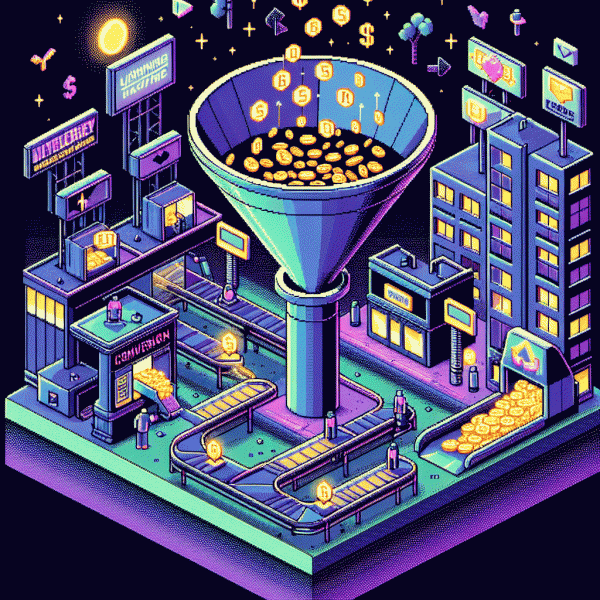
Steal This Zero-Social Funnel Blueprint (It Starts With Intent)
Start with a tiny, bright question: what does your buyer intend to do right now? Map that intent into a single, obvious path — a micro-offer they can say yes to in under 7 seconds. This is not strategy theater; it is practical triage. Make the next action obvious and remove anything that sows doubt.
Turn intent into assets: a headline that answers their question, a one-line value proposition, and an immediate, irrefutable call to action. Build a fast path — a free checklist, a 3-minute consult, or a $7 trial — that removes decision friction. Be explicit about next steps so prospects know exactly what happens when they click.
Create three conversion engines: a focused landing page, a compact lead magnet that solves one tiny problem, and a short email sequence that nudges with value not noise. Keep load times under 2 seconds and forms under 3 fields. Use bold, simple proof points like numbers and short testimonials, then test one variable at a time.
If you need social proof to accelerate trust, consider services that boost visible signals quickly and safely; for example buy instant real instagram followers can seed credibility in hero sections, welcome emails, and follow-up sequences. Always pair any boost with genuine evidence — screenshots, short case studies, or timestamps — so signals stack honestly.
Launch, watch three metrics (click rate, conversion rate, cost per acquisition), then iterate fast. Small, rapid experiments beat large, infrequent overhauls — run five quick tests per week and kill the losers. If numbers stagnate, change the headline or lead magnet before you pour more budget. Do this and the funnel will do the heavy lifting.
Turn Cold Searchers Into Hot Leads With One Irresistible Offer
When social feeds run cold, search intent becomes your heat source. The trick is one irresistible offer that answers the exact question visitors typed into Google. Think of a hyper-specific lead magnet—free 10-minute website audit, a plug-and-play template that saves two hours, or a short cheat-sheet that closes the gap between curiosity and confidence. Make the benefit obvious in the first sentence so visitors know they have zero time to waste.
Design the landing page like a high-converting handshake: single headline, a one-sentence value promise, a single-field form or click-to-book, and a bold risk reversal (money-back, free consult, or try-before-you-buy). Use a clear CTA and a price anchor or scarcity cue to nudge action. Keep visuals minimal so the offer reads instantly on mobile and satisfies fast-moving searchers.
Match copy to intent with exact-match headlines, quick proof points (mini testimonials or metrics), and a micro-commitment that earns permission for email follow-up. Your follow-up should deliver immediate value and then escalate logically: free asset → low-cost offer → core product. That predictable cadence turns one cold visit into a heated conversation without leaning on social buzz.
Measure conversions, test variants, and optimize the offer format before scaling. Swap the magnet, tweak the CTA, and let conversion rate outpace raw traffic. Track cost per lead and early revenue signals so winners are obvious. Quick starting headline template: Free [Result] Audit — No Obligation, 10 Minutes. Launch fast, iterate daily, and watch searchers become leads who actually want to buy.
The Email Engine: Nurture Sequences That Sell While You Sleep
Think of your email engine as a tiny amusement park for leads — once they step in, the rides nudge them toward paying. Start with a welcome sequence that delivers the promised magnet, sets expectations, and asks for one small action, like picking preferences or confirming topics. That micro commitment multiplies conversions down the road and makes every follow up feel natural instead of spammy.
Make the flows surgical: segment by behavior, not just demographics, and trigger on real actions like a click, an abandoned cart, or a site visit. Use short curiosity driven subject lines with preview text that teases benefit. Write like a human with one sentence paragraphs, a clear single CTA per message, and test cadence — 3 to 5 days for slow nurture, 24 to 72 hours for cart rescue.
- 🆓 Onboarding: deliver the lead magnet, set expectations, and guide first meaningful action.
- 🐢 Cart Rescue: remind, reduce friction, add urgency and social proof to recover almost lost revenue.
- 🚀 Reengage: win back cold contacts with a bold offer or a curiosity driven story series.
Measure open to click ratios, sequence level revenue, and time to first purchase so you can scale winners. If you want to accelerate list growth with a little paid oxygen, try cheap instagram boosting service as a targeted experiment — then feed those new names into your top sequence and let automation sell while you sleep.
Traffic That Is Not Social: SEO, Affiliates, Partnerships, and Search or Native Ads
When social channels are dry, you still have rich soil: search, affiliates, partnerships, and native ads. Think of them as different rivers feeding the same conversion lake. Start by mapping audience intent, then design a compact path that answers the query, captures a lead, and nudges toward a purchase with as few clicks as possible.
For SEO, prioritize long tail pages that align with buyer intent: FAQ pages, comparison posts, and problem-solution guides. Add a clear lead magnet and a one-click signup element to each high-intent page. Use internal linking to funnel visitors from informational content into conversion pages and track conversions at the page level, not just raw sessions.
When building affiliate and partnership strategies, recruit partners who already speak to your customers. Offer performance-based deals, exclusive bundles, and ready-made swipe files so partners can convert without friction. Create co-branded landing pages and unique coupon codes to measure partner quality separately; a small guaranteed fee plus commission often attracts better publishers.
For search and native ads, match ad creative to landing page copy and intent. Run small A/B tests for headlines and value props, then scale winners. Keep landing pages single-minded, fast, and focused on one action, with relevant social proof and a clear CTA to control cost per acquisition.
Finally, stitch these channels into a unified funnel using UTM parameters, micro-conversion tracking, and simple attribution checks. Automate a short welcome sequence to warm new leads and iterate weekly on conversion rates, not vanity metrics. Execute these moves and the funnel will start converting like crazy even without social traffic.
Plug the Leaks: Micro Tweaks That Double Conversions Fast
Think tiny to win big: a few micro tweaks plugged into your funnel stop the leaks that steal conversions. Focus on changes that take minutes, not months — clear CTAs, a faster load, and one piece of social proof placed exactly where hesitation happens. These are low friction, high impact moves you can ship today.
Try a tight checklist and run these three lightweight fixes first:
- 🚀 Speed: shave milliseconds by compressing images and deferring noncritical scripts to cut bounce and keep visitors moving toward checkout.
- ⚙️ Copy: rewrite CTAs to be specific and benefit led so clicks mean intent, not curiosity.
- 💥 Trust: surface a single conversion proof point near the CTA — badge, short testimonial, or real number — to remove last second doubt.
Turn tweaks into measurement: A/B one change at a time, use heatmaps to locate friction, and track conversion lift over a week. Implement three of these in 72 hours, measure, iterate, and you will compound small lifts into a doubled conversion rate before long. Ready, set, fix the leaks.