No Followers? No Problem: Build a High-Converting Funnel Without Social Traffic
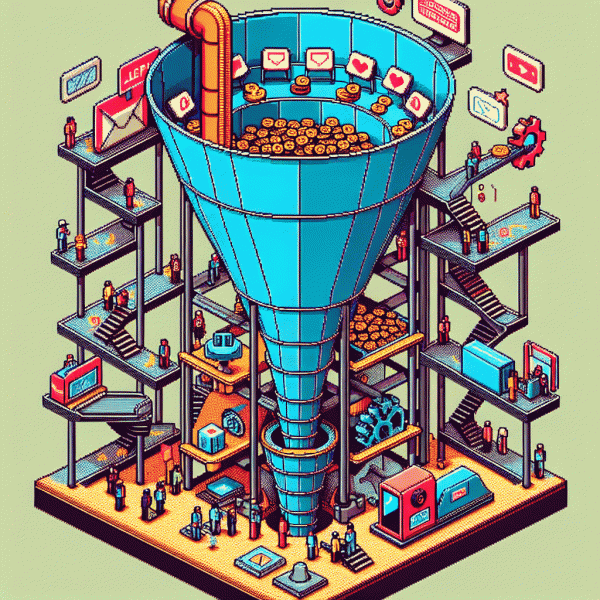
Pick a Traffic Source That Actually Buys (Intent Beats Impressions)
Stop chasing vanity metrics; pick traffic where the buyer's intent already lives. Channels that serve users who are searching, comparing, or in 'ready-to-buy' mode turn tiny audiences into reliable revenue. The trick is thinking like a shopper: what would make you click the buy button right now? When intent leads the funnel, impressions become predictable orders, not empty likes.
- 🚀 Paid Search: target high-intent keywords and push a specific offer — buyers are actively searching and convert faster.
- 💥 Marketplaces & Comparison Sites: intercept purchase decisions with optimized listings and sponsored spots where shoppers are choosing what to buy.
- 👥 Email & Retargeting: reach warm prospects with time-limited incentives — they've already shown interest, now nudge them to complete the purchase.
Make it actionable: map each traffic source to a single, tight offer (free+ship, discount, demo) and optimize the landing page for speed and clarity — headline, CTA, proof point, price. Measure cost per acquisition, conversion rate, and first-purchase value. Run tiny experiments (100–500 clicks) to validate before scaling; iterate on creative, price, or targeting instead of pouring cash into low-intent channels.
Quick checklist to start: 1) pick one intent-heavy source, 2) craft one irresistible offer and a stripped-down landing page, 3) launch a 7-day micro-test, track CPA/CR/AOV/LTV, iterate, then scale winners. You don't need followers — you need buyers and a funnel that closes them.
Craft a Magnetic Lead Magnet: The Too-Good-to-Ignore Offer
Think of a lead magnet as the tiny, irresistible shortcut that gets strangers into a funnel even with zero social proof. It must solve one clear micro problem fast, signal credibility, and invite a small yes. Aim for curiosity plus clarity: promise a specific outcome, state the time frame, and make the next step obvious.
Pick a format that matches the buyer moment. Match urgency and commitment level so recipients feel smart for saying yes. A good rule is one quick win, one learning path, and one evergreen resource:
- 🆓 Checklist: a one page action list that eliminates decision fatigue and yields immediate progress.
- 🐢 Mini-Course: a short email drip that nurtures slowly and builds trust over days.
- 🚀 Toolkit: templates, swipe files, and scripts that let users implement results fast.
Write the promise and headline like a small contract: audience plus result plus timeframe plus how. Use numbers and specificity so the offer feels tangible. Include one line of social proof or a micro case study inside the magnet to reduce fear and boost conversions. Keep language plain and benefit first.
Deliver with low friction and plan distribution outside social: an SEO optimized landing page, guest posts, niche communities, paid search, and partner swaps work well. Add a micro commitment inside the magnet to turn consumers into leads, then test two variants, measure conversion and lifetime value, and double down on the winner. Value first, funnel next.
Landing Page That Sells: Copy, Cred, and Clicks in 500 Words
Think of your landing page as an elevator pitch that actually converts: one crisp headline that promises a clear result, a subheadline that explains who benefits and how, a hero image that shows the end state, and a single primary CTA visible above the fold. Keep sentences short, lead with benefit, and make scanning effortless with bolded key phrases and clean white space.
On copy, be specific and bold. Open with outcome plus timeframe like "Acquire 10 qualified leads in 7 days", follow with one line that removes doubt, and sprinkle microproof—exact numbers, short testimonials, and client job titles. Use active verbs, sensory words, and a single narrative thread so visitors do not have to guess what happens next.
Credibility does not require massive follower counts. Replace social vanity metrics with conversion stats, client logos, and one case study snippet that quantifies results. Add clear risk reversal like a money back promise, secure checkout badges, and plain language about privacy. If a quick social signal helps you get initial trust, consider a short term boost such as buy instagram followers cheap to jumpstart testimonials while you collect real proof.
For clicks, make the CTA outcome focused, test two variants weekly, reduce form fields to the bare minimum, and use contrasting color plus whitespace to draw the eye. Measure with UTMs and heatmaps, iterate on one element at a time, and remember: tiny copy and credibility wins compound faster than chasing followers.
Email Engine: 5-7 Messages That Warm, Wow, and Win the Sale
Start your email engine like a tiny theater troupe: warm the audience, give them a memorable scene, then invite them on stage. Plan 5–7 messages that follow a clear arc — welcome + what to expect, helpful tactical tip, social proof or case study, a surprise value drop, soft pitch, FAQ, and a final deadline nudge. Nail subject-line hooks, preview text, and a single personalization token to boost open and reply rates.
- 🆓 Free: fast-win lead magnet that fixes one pain in five minutes and earns trust immediately.
- 🐢 Story: brief, human origin moment that makes the brand relatable and primes the offer.
- 🚀 Offer: benefit-first pitch with one clear CTA, one extra bonus, and a short scarcity trigger.
When you want social proof up front to complement your funnels, a strategic boost can help — get instant real instagram followers speeds perceived credibility while your emails do the converting for you.
Track opens, clicks, replies, and purchases; A/B subject lines and CTAs; and automate follow-ups for non-openers. Typical cadence: immediately, day 2, day 4, day 7, then a 10–14 day final nudge. Keep each email scannable, include one primary CTA, and iterate ruthlessly on the message that actually moves the needle.
Measure, Fix, Scale: Simple Numbers to Double Your Conversion Rate
Start with three clean numbers: visitors, opt‑ins (or leads), and purchases. Those three alone expose where a funnel leaks. If 2,000 visitors produce 100 leads and 10 purchases, your purchase conversion is 0.5%. Track each step daily, and log the baseline so nothing is guesswork.
Fixing is triage, not overhaul. If opt‑ins are low, rewrite the headline, sharpen the lead magnet, and add a clear benefit. If leads convert to buyers poorly, simplify the offer, add social proof, streamline checkout, and test price anchors. Make only one change per week and run a split test so you know what actually moved the needle.
Scaling is repeating what worked with math. Once a page lifts conversion by 20 percent, invest ad spend toward that page, automate the winning email sequence, and experiment with upsells to raise average order value. Monitor cost per acquisition and customer lifetime value so scale stays profitable, not just busy.
Put this into a single spreadsheet, run one deliberate experiment each week, and celebrate small wins. Small, consistent improvements to those three metrics compound fast, turning no follower traffic into a conversion engine that pays for itself.