Never Cringe on Instagram Live Again: The Exact Playbook for Magnetic Streams
Prep Like a TV Host: A 10-Minute Checklist That Saves Your Bacon
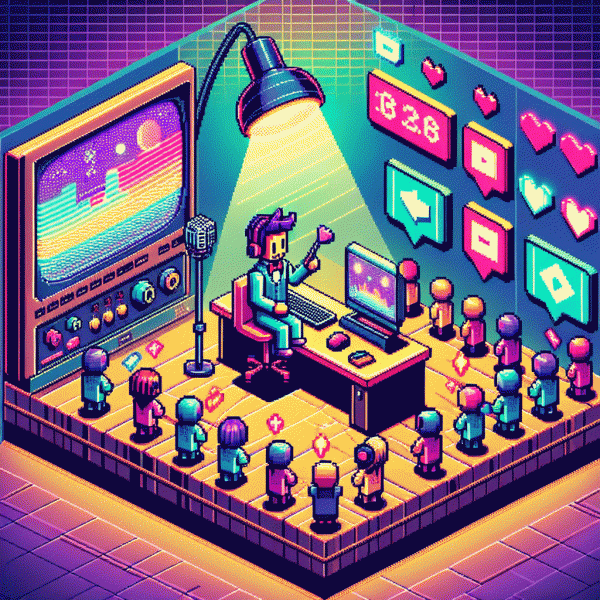
Ten minutes of prep can save you an hour of cringe. Start by treating the stream like a TV segment: set your camera at eye level, remove clutter from the frame, and position a soft light slightly above and in front. Check audio with a quick one minute mic test so your voice is clear and room noise is under control. Wear something that contrasts with the background and keeps movement minimal.
Want a guaranteed audience to kick off with? Try buy instagram boosting as a launch pad, then convert that attention by promising a single irresistible takeaway in the first 30 seconds. Plan a one line intro, a bold promise, and the call to action you want pinned when chat starts heating up.
Use the remaining minutes to run a micro checklist: confirm battery and storage, enable airplane mode for notifications, test screen share or media clips, and cue your first segment with a sticky note. Practice the opening 60 seconds out loud so pacing feels natural; if a line flops, move on and laugh it off. Assign a simple engagement task to viewers within the first two minutes to create momentum.
Finally, breathe and embrace imperfections—tight prep makes confident improv possible. Keep this routine until it becomes muscle memory: camera check, audio check, bold hook, engagement task. Do that and you will start streams like someone who has done this before.
Hook in 5 Seconds: Openers That Stop the Scroll and Pack the Room
Those first five seconds decide if a live becomes a party or a tumbleweed. Aim to stop the thumb with a sharp promise, a weird visual, or a surprising sound. The fastest winners combine a clear benefit plus an emotional jolt. Design one sentence that teases transformation and one micro demonstration to prove it instantly.
Try these openers verbatim to test: Script 1: show a quick before and after and say "Stay 60 seconds, I will help you write a DM that starts replies" while flashing the result; Script 2: slam a colored prop into frame, name the problem, then give a one minute fix; Script 3: ask a binary question like "Which side are you on" and promise a tip for the winning answer.
Make the first frame do the heavy lifting: bright color, motion, or a shocking close up face. Layer caption text that repeats the promise, add a sharp percussive sound at second one, and start with a tiny action viewers can copy in chat. Direct people exactly how to respond to lock engagement.
Practice each opener three times and compare retention at 30 seconds, then double down on the winner. Tease the exact opener in stories, pin a prewritten comment, and invite a cohost for instant social proof. Try one of these openers on the next live and watch momentum replace awkward silence.
Chat That Sells (Without Selling): Prompts, Polls, and CTAs That Feel Human
Think of chat as your best backstage crew: it sets mood, surfaces objections, and tells you when to pivot — all without sounding like a vending machine. Use short, curiosity-first prompts that invite tiny choices. Swap long monologues for bite sized invitations: ask for a one-word reaction, a thumb emoji, or a 5 second yes or no. Those micro decisions keep viewers emotionally invested and lower the bar to engage.
Turn common selling moves into human moves with canned-but-flexible lines. Examples to deploy live: opener prompts that orient (Try: Which do you want more help with today — A or B), scarcity reframed as curiosity (I have two spots for a live audit tonight — thumbs up if you want one), and follow ups that feel conversational (Help me decide: show 1 if this fits your week). Prepare three fallback prompts in case chat goes quiet and rotate them every 7 minutes to reset energy.
Polls are not polling forms; they are mini theatrical beats. Make them playful, visual, and outcome driven: ask viewers to vote on the next demo, the color of a product, or which tip you should expand. For CTAs, prefer soft commitments (Try, Tap, Tell) and layer urgency with value (It takes 10 seconds and you walk away with X). When you want to convert, nudge with a clear next step and a vivid benefit line. If you want a simple way to boost visibility or test paid support for live growth, try a free trial for social boosting that drives real viewers and real feedback.
End every stream with one simple ask and one future promise: ask a tiny action now, promise one specific payoff next time. Keep a pocket script of three CTAs: engage, value, convert. Practice them until they sound off the cuff. The result is chat that feels human, guides the sale, and makes your streams magnetic instead of awkward.
Lights, Camera, Wi-Fi: The Anti-Fail Setup Anyone Can Nail
Treat your live like a tiny stage: overhead drama is optional, consistent polish sells. Focus on three pillars — flattering light, steady framing, and a Wi‑Fi plan that won't bail mid punchline — and build from there. Clamp your phone on a tripod at eye level or use a stack of books if you're improvising, angle the camera so your chin doesn't dominate, and attach an inexpensive lavalier or compact shotgun mic to capture crisp, room-filling audio.
Lighting is the fastest way to look professional without learning cinematography. For a soft, natural look place your key light or window about 1–2 feet away, slightly above eye level, around a 30–45 degree angle; add a diffuser or a white sheet if it's harsh. Use a warm 3,200K for cozy evening streams or 5,600K for daylight accuracy. Kill overhead fluorescents, introduce a small backlight to create depth, and check color balance on camera.
Camera and framing are one-third technique, two-thirds habit. Use the rear lens when possible for better quality, turn on grid lines and place your eyes along the top third, and leave comfortable negative space so gestures read on screen. Lock focus and exposure to avoid midstream hunting, set resolution to 1080p at 30fps, and clean the lens like it's your best outfit. Plug into power, enable Do Not Disturb, and close apps that chew CPU.
Connectivity wins before content if the stream freezes. Aim for at least 8–12 Mbps upload, prefer 5GHz or wired connections where available, and reboot your router 10 minutes before going live. Have a cellular hotspot primed, test with a quick rehearsal clip and a buddy, and limit household streaming during your slot. Final micro checklist: charged battery, glass of water, cue cards, and a smile — with that, awkward is optional.
When Things Go Sideways: Recoveries and One-Liners That Win Back the Crowd
Live streams derail. Audio drops, a comment sparks awkward silence, or your dog steals the show. The trick is not to pretend perfection. Use short rhythms: name the glitch, laugh at it, then move. A well timed acknowledgment turns tension into charm and keeps viewers leaning in.
When a moment goes south, follow this micro recovery formula: Pause for one breath to reset, give a tiny joke to signal safety, then pivot to content that viewers can immediately act on. Example one liners: "Technical difficulty, professional improv. While I fix it, tell me your wildest question" or "That was my mic saying hello. Back in two." Keep it natural and brief.
Keep three universal one liners on speed dial so they land fast and feel organic:
- 🆓 Free: "Comedy break: free of charge, still priceless."
- 🔥 Bold: "Plot twist incoming. Stick around."
- 🚀 Quick: "Two second reset and we blast off."
If you want an extra safety net for big drops and high stakes streams consider professional help. Check a trusted option like safe instagram boosting service to stabilize audience numbers while you polish live skills. Final tip: rehearse your three rescues until they feel like you. Practice makes playful, and playful keeps people watching.