Campaign Burnout? Steal These 7 Plays to Keep Performance Without Rebuilding
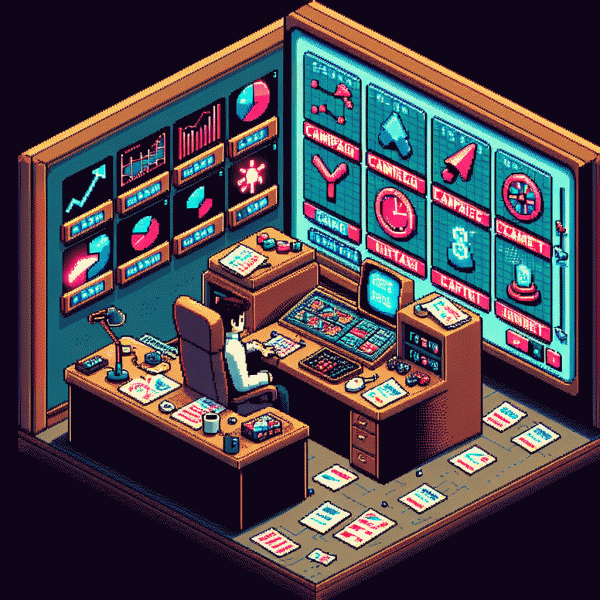
Spot the slump: fast metrics to confirm fatigue not failure
Start with a quick triage that treats the situation like midcampaign CPR: check distribution, engagement, and conversion signals in that order. Pull a short baseline from the last 7 to 14 days and look for correlated movement. When several signals slide together, fatigue is the likeliest diagnosis, not total strategy failure.
Distribution red flags are the fastest to read. If impressions stay flat while CTR drops, frequency climbs, and CPM creeps up, creative saturation is often the culprit. When frequency tops 3–4 and reach is compressed at the same spend level, consider that your audience is being asked to engage with the same thing too often.
Engagement metrics tell the creative story. Track CTR, video watchthrough, and interactions per impression. A sustained 20% decline in CTR or a sharp fall in average watch time points to creative decay. If saves, shares, or comments fall but delivery continues, refresh assets before overhauling targeting.
Conversion signals separate fatigue from market shifts. Monitor CVR, CPA, ROAS and the attribution window. A 15%+ drop in conversion rate paired with rising CPA is a classic sign that the ad is losing persuasive power. If conversions drop across many audiences at once, also rule out landing issues or seasonality.
Confirm with rapid experiments: swap creatives while holding targeting, run a short holdout on existing creative, or tweak the CTA for 48 to 72 hours. If fresh creative restores CTR and CVR, you have fatigue and can recycle the plan with targeted swaps. If metrics do not recover, it is time for a deeper funnel and bidding investigation.
Creative CPR: swap angles and formats without nuking history
Think of creative swaps like emergency CPR for an exhausted campaign: you want to revive performance without wiping out the learning your account has amassed. Keep the ad set, audience, and bidding intact while you change the creative layer — that preserves historical signals and avoids the algorithm starting from zero. Swap angles (benefit, proof, curiosity) and formats (static, short-loop video, carousel) as lightweight experiments rather than full rebuilds.
Start with surgical edits. Take your best-performing thumbnail, hook, or first three seconds and reuse it across new formats; trim a 30-second spot to 6–15 seconds, add bold captions, or convert a testimonial into a quick carousel of quotes. The goal is to remix proven elements, not invent a whole new identity. Keep filenames and internal tags consistent so you can trace which variant moved the needle.
Operationalize it: create 2–3 variants per creative change and name them clearly (e.g., V1_hookA_trim15). Deploy them under the same ad set and run for a short control window — 4–7 days for high-volume campaigns, 10–14 for slower ones. That gives the system time to allocate impressions without losing the original conversion signal, and it keeps learning curves manageable.
Measure with guardrails: monitor conversion cost, frequency, and small-sample lift before declaring a winner. If a new format spikes CPM but lowers CPA, lean in; if it raises both CPM and CPA, pause it fast. Maintain a tiny control group running the original creative so you always have a baseline to compare incremental improvement.
Quick plays to steal: trim-and-loop long video into a 6s hook, swap carousel cards for single-image ads using the same headline, and test captions-on vs captions-off. Do these while leaving targeting alone and you'll resuscitate performance without blowing up your account history.
Budget jiu jitsu: shift bids and caps to regain momentum
When performance flatlines, you don't always need to rip everything down and rebuild. Think of budget jiu jitsu: rather than brute-forcing more spend, use small, precise shifts in bids and caps to redirect momentum. A well-placed bid nudge or cap tweak can flip auction dynamics and win you higher-quality impressions without blowing your CPA targets.
Start by mapping winners and losers: increase your bids on high-intent audiences or placements that already convert, and tighten caps where frequency or poor creative are dragging performance. Don't be timid — a 10–20% bid lift on a converting audience often unlocks impressions that previously went to competitors. Conversely, lowering caps on tired segments reduces wasted spend and lets you reallocate to fresh pockets of inventory.
Run short, controlled tests: pick one audience, raise the bid for 48–72 hours and watch conversion rate and CPC; if CPA stays acceptable, scale. For a safety net, use a soft bid cap so algorithms can chase efficiency while honoring your ceiling. If you're in a learning phase, smaller, faster experiments beat long-drawn tweaks — you get signals sooner and avoid being locked into bad patterns.
Protect your efficiency by layering constraints: set a target CPA or ROAS range, apply dayparting to focus spend when your users are most likely to act, and employ frequency caps to fight ad fatigue. Monitor velocity metrics (impressions, CPM, CTR) more closely than absolute spend during these moves so you can spot auction shifts early and rollback if the market reacts poorly.
Quick playbook to try today: Raise: bids +10–20% on top converters; Lower: caps on underperformers; Test: 48–72 hour windows; Safeguard: soft CPA caps and daily checks. These micro-adjustments are the fastest way to regain momentum without a full rebuild.
Audience remix: rotate lookalikes and exclusions for fresh reach
Audience remixing is the secret sauce when your CPMs feel like stale chips. Instead of rebuilding creative or bidding strategies every month, build a playlist of lookalikes and exclusions you can shuffle. Think of it like DJing: swap in a fresh beat before the crowd notices.
Start by cloning your best seeds: top purchasers, recent engagers, 30–90 day visitors. Create lookalikes at multiple tiers — 1% for tight intent, 2–5% for scale — and label them clearly. Run them side by side with small budgets to see which one cooks without burning your CPA.
Layer exclusions aggressively. Exclude recent converters, past 30-day viewers, and the other active lookalikes to avoid cannibalization. Use an exclusion bucket named Do Not Puff (or something less dramatic) so you don't accidentally bid on the same people twice.
Rotate on a predictable cadence: swap underperformers every 7–10 days, keep a tiny always-on control group, and refresh creatives when frequency climbs. Duplicate winning ad sets and change only the audience slice to test true lift — same creative, different crowd.
Watch reach, CPA, overlap, and frequency like a hawk. If two lookalikes share heavy overlap, tighten thresholds or pull the larger one back. Small, surgical switches to audiences often preserve performance way faster than rebuilding the whole campaign.
Test tiny, win big: micro experiments that extend campaign life
Think small to go far. Instead of ripping everything down and rebuilding, run tiny, targeted experiments that probe weak spots and buy another month of momentum. Each test should be cheap, fast, and disposable: a two day creative swap, a three percent audience trim, a one-line landing tweak. The point is not to reinvent the wheel but to nudge performance back into the green before fatigue becomes a crisis.
Split your plays into atomic variables so results are clean. Try a creative micro-rotation with the same offer and different visuals, a CTA text swap that tests verbs versus benefits, and a audience micro-split that isolates the top 5 percent of engaged users. Keep changes to a single variable per experiment so you can actually learn something. All experiments should run with a capped budget and strict timebox.
Execute like a lab. Launch small cohorts with equal budget, run for just long enough to get stable signals, then apply simple decision rules: if metric moves by X percent in Y days, scale by Z; if not, kill and move on. Use one consistent primary KPI for each test and avoid mixing conversion goals. Automation rules reduce manual churn: set rules to scale winners and pause losers without gatekeeper approval.
Watch leading indicators, not vanity signals. Click through rate and cost per click will show creative lift faster than conversion rate in low volume niches. Track frequency, ad relevance, and CPC spikes as early warnings of creative fatigue. When a test shows improved CTR and stable CPC, promote it; if frequency rises with falling CTR, retire the creative.
Small experiments compound. A single winning micro-change can lift CPA, extend audience runway, and save budget. Quick checklist to follow now: pick one variable, set a 3 to 7 day window, cap spend, choose one KPI, and automate scale rules. Repeat weekly and watch campaign life extend without a full rebuild.