Campaign Burnout Is Killing Your ROI - Keep Performance High Without A Rebuild
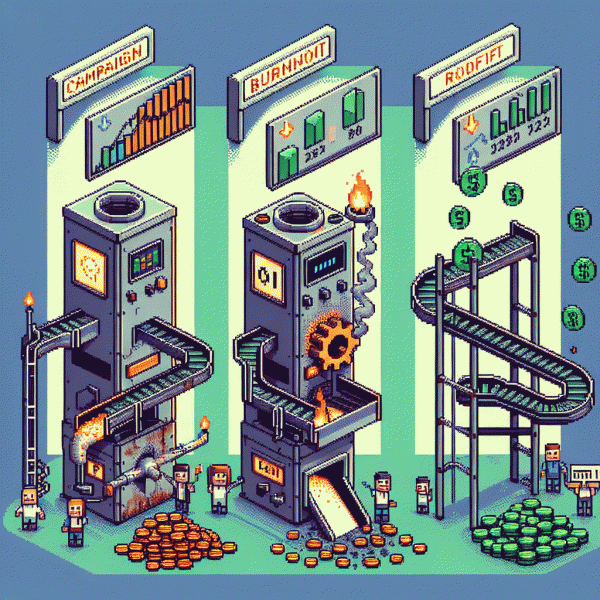
CPR For CTR: Swap Hooks Thumbnails And CTAs While History Stays Intact
When an account starts bleeding CTR, skip the rebuild drama and play surgeon. Swap the parts that touch the eyeballs — headline hooks, thumbnails and CTAs — so you resuscitate clicks and conversions while keeping targeting and bidding history intact.
Diagnose before you operate: change thumbnails first when impression-to-click falls, swap hooks when clicks do not turn into engagement, and tweak CTAs when clicks fail to convert. One variable at a time gives you a clear prescription instead of guesswork.
Operate with clean A/B clones: duplicate the ad, replace only the chosen creative element, then run the pair side by side. Use short, decisive windows — 48–72 hours — and target a minimum sample (roughly 1,000 impressions or 50 clicks) before declaring a winner.
Protect campaign learning by leaving campaign and ad set settings untouched. Pause originals only after the clone proves superior so you preserve historical metrics and avoid campaign-level relearning that kills efficiency.
Scale winners with a creative matrix: fold the winning hook into several thumbnails and a couple of CTAs to test portability, rotate combinations weekly, and retire losers fast. Freshness compounds uplift; indecision compounds waste.
Want a fast way to populate variants or validate a control group? Try a quick genuine instagram promotion to gather comparative signals, then plug the winning hooks, thumbnails and CTAs back into your live sets.
Audience Detox: Rotate Exclude And Expand Lookalikes To Beat Fatigue
Audience detox is less about deleting audiences and more about surgical trimming. Start by identifying stale segments with rising frequency and falling conversions, then exclude them before the algorithm wastes budget on overexposed users. That small pause lowers CPM creep and restarts the signal cycle so fresh pockets of high intent get served while your core creatives keep working.
Build three exclusion pools: recent converters, repeat engagers, and high frequency viewers. Rotate these weekly so the same people do not see repeat pitches, and cycle any single pool out of rotation after two to three weeks. Use short lookback windows for cold acquisition and longer windows for retention plays. This surgical pruning keeps audiences hungry and receptive.
When expanding lookalikes, tier outward from your best seeds. Create 1 percent models from top buyers, then 3 to 5 percent from micro segments like high lifetime value or repeat purchasers. Test blended seeds and incremental size increases while holding creative constant. Pair broader LALs with modest budget ramps to capture scale without inflating CPA.
Measure the detox like a lab: track frequency, CPM, CPA, and conversion velocity. Run a small holdout audience to confirm lift and use short A B tests to iterate on exclusion cadence. Quick wins include a single weekly exclude and a 2 percent LAL probe. If metrics still decline, then a creative refresh may be warranted.
Budget Rhythm: Pulse Daypart And Rebalance Instead Of Hitting Reset
Think of your budget like a heartbeat: steady baseline with short pulses to oxygenate winners. Instead of nuking a campaign after a dip, try pulse dayparting — increase spend during known high-conversion windows and pull back when performance sags. That keeps learning intact, preserves creative momentum, and saves the time and cost of a full rebuild.
Start by mapping hourly and weekday performance over the last 30 days. Identify three clear windows: peak, steady, and low. Allocate a heavier share to peak hours, keep a controlled baseline in steady periods, and slot low windows for experiments. Set incremental rules so changes are measured, not dramatic, and always include caps to prevent runaway spend.
If you need a quick way to flip dayparts without manual micromanagement, tie your schedule into growth tools like boost instagram or a delivery manager. Use those tools to implement ramp curves rather than binary on/off toggles — think gentle waves that respect the algorithmic learning phase.
Watch CPA, ROAS, CTR, and frequency by slice. Set triggers: if CPA rises 15% above baseline for three days, shift 10% of budget to the top performing daypart and deploy a creative variant. Monitor recovery windows; if performance does not improve within seven days, move to a deeper rebalance or audience reshuffle instead of scrapping everything.
Make rebalancing a weekly ritual of small, data-led nudges: isolate windows, set caps, automate ramps, and review impact. These micro-adjustments keep performance high, protect learning, and make ROI predictable without the drama of a reset. Keep the rhythm, not the panic.
Signal Makeover: New Events Better UTM Hygiene Same Campaign Shell
Think of your campaign like a wardrobe: the shell is solid, but the signal makeover is where the style points live. Instead of ripping everything apart, retag events, rename key conversions, and add a few high-value parameters. That buys clarity for attribution and gives creative teams clean metrics to iterate on without a full rebuild.
Start with a tidy event map. Identify three core actions that drive value, standardize event names across SDKs and GTM, and pin down required parameters so every conversion has context. Make these changes in feature branches or a staging property so you can validate before flipping them live. Small, isolated event swaps reduce risk and let you measure impact in days, not weeks.
Want a quick credibility boost while the signal work lands? Consider pairing better instrumentation with tactical social proof to preserve performance momentum — for example buy instagram followers instantly today. This is not a replacement for data hygiene, but a way to keep CPMs and CTRs steady while you clean the backend.
UTM hygiene is the unsung hero. Enforce a medium/source/campaign template, include a concise utm_content for test variants, and ban ad hoc tagging. Use auto-tagging where available and keep a living spreadsheet or a simple lookup API so marketers pick from validated values. Consistent UTMs let you splice new event signals into existing campaign shells and see true lift, not noise.
Final action items: version events, roll out in stages, validate in analytics, and pair with tidy UTMs. This approach preserves the campaign architecture you rely on while upgrading the signals that drive smarter budget decisions. It is efficient, low drama, and built for repeatable ROI improvement.
Fresh Proof Fresh Curiosity: UGC Reviews And Offers That Reignite Scroll Stoppers
Scroll fatigue is real, but humans respond to other humans. Swap out polished brand narration for short, candid UGC reviews that show real reactions, not rehearsed lines. Pair those clips with an offer that feels like a discovery, not an interruption: a tiny timebound bonus, a surprise bundle, or a quick risk reversal. That fresh combo resets curiosity and stops thumbs mid-scroll.
Make the creative tiny and testable. Capture 15 to 25 second clips where a customer shows the product in motion, names one tangible benefit, and reacts naturally. Add a bold star overlay or a one line caption that frames the hook within the first two seconds. For offers, test three states: a discount that lowers friction, a value add that raises perceived utility, and a guarantee that kills hesitation. Run those as paired experiments so you know which proof plus which offer lifts conversion.
Operationalize like a scientist and a DJ. Rotate creative daily, but only change one variable per test: headline, clip, or offer. Cap frequency to avoid ad fatigue, then pause variants that crater and double down on the combos that punch above baseline. Track CTR, CVR, and ROAS, yes, but also early signals like swipe length and comment sentiment to catch momentum before costs spike.
Quick playbook: Step 1 harvest authentic clips from recent buyers, keep edits raw; Step 2 craft three simple offers tied to urgency or value; Step 3 run rapid A B tests with single variable changes; Step 4 scale winning UGC+offer pairs and refresh every 7 14 days. These moves deliver new proof, reignite curiosity, and keep performance high without a full rebuild.