Build a Funnel That Converts Like Crazy Without a Single Social Click
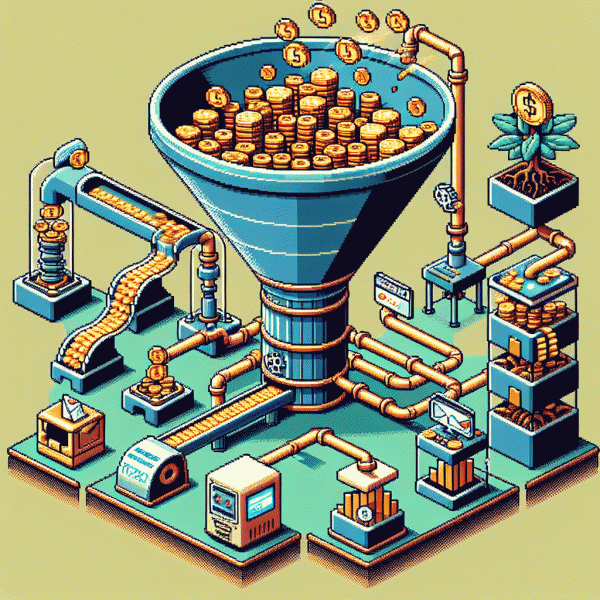
The Silent Traffic Goldmine: Where to Find Visitors Beyond Social
Think beyond the social scroll and imagine steady, deliberate streams of visitors who are actively looking to buy, learn, or sign up. These visitors are the rocket fuel for a funnel that converts without a single social click. The trick is to hunt where attention already has intent, shepherd that attention toward a clear next step, and keep the handoff frictionless.
Start with search: build long-tail landing pages and pillar content that answer specific buyer questions like "how to fix X" or "best tool for Y." Optimize for intent, add a tailored lead magnet to each page, and use internal linking to guide visitors into high-converting steps. Small wins on organic pages compound quickly when each page feeds the same conversion pathway.
Email is not dead; it is the pipeline. Capture emails with content upgrades, short webinars, and free trials. Automate a behavior-triggered welcome sequence that asks for small commitments first, then scales offers. Use segmentation and simple value-based reengagement to keep people moving from casual reader to qualified lead.
Do not ignore niche communities, Q&A sites, guest posts, podcasts, and marketplaces. Contribute useful answers, share case studies on podcasts, or list in category pages, and always point people to a high-value resource or landing page. Be helpful, not spammy—these sources deliver qualified traffic that converts far better than random social clicks.
Finally, test and measure: set UTMs, track micro conversions, and run small paid tests on search or native platforms to validate channels. Pick two non-social sources, create content plus a targeted lead magnet for each, run a 30-day test, then iterate and double down on what moves the needle.
Lead Magnets That Pull Like Gravity (No Reels Required)
Your audience is tired of being sold to. Give them a fast win instead and watch them opt in willingly. Practical magnets work best: templates, calculators, swipe files, micro courses and diagnostic quizzes. Each must promise a clear outcome in one line so the visitor understands the value in seconds. Niche clarity and a tested headline are the two simplest conversion levers.
Design for speed and frictionless delivery. Build a single focused landing page, craft a 20 second headline, and deliver the asset instantly by email. Use email gated delivery with a short confirmation page that also prompts the next action. Offer a one page quickstart or checklist so the new lead can use the magnet in under five minutes. Keep files light and mobile friendly and integrate delivery with your CRM for instant tagging.
Turn leads into buyers by automating segmentation. Ask one simple question inside the magnet or on the thank you page and tag subscribers by goal. Follow with a three email mini sequence: quick win, case study, small ask. Consider a low priced tripwire between 7 and 37 for those who want faster results, then present the main offer. Short subject lines, clear CTAs and outcome focused copy move people forward.
Measure the metrics that matter: landing conversion, lead quality and first offer conversion. Run simple A B tests on headline, hero promise and delivery format for two week cycles, then iterate. Start with one high value magnet, optimize until it reliably converts, then scale distribution through partnerships, email, and paid targeting. Do the craft work once and you will have a steady stream of qualified prospects pulled in like gravity.
Email Automations That Warm Up Cold Traffic Fast
Cold visitors need a warm handshake, not a hard sell. Start by mapping the simplest path from click to trust: capture an email with a tiny bargain (a checklist, a swipe file, or a 5-minute audit) and kick off a short automation that reads like a human follow-up. The aim is fast familiarity—three to five touchpoints that build context, collect signals, and surface intent—so your later offers land like helpful answers instead of random interruptions.
Design a compact, high-velocity sequence: Email 1 arrives within 15–60 minutes and delivers the promised asset plus a friendly question that invites a reply. Email 2 (24–48 hours) shares a one-paragraph case study or a quick before/after plus a single, low-friction next step. Email 3 (4–7 days) presents a micro-commitment—book a 10-minute call, claim three templates, or try a tiny paid test—paired with social proof and a soft deadline. Short subject lines beat clever ones here.
Use behavioral triggers to funnel people into intent-based lanes: opens go into nurture streams, clicks move to demo flows, and replies escalate to a human touch. Employ merge tags and conditional blocks so each message mirrors the prospect's language and reduces cognitive load. Keep every email scannable—one bolded idea, two short paragraphs max, a single link above the fold, and preview text that doubles as a secondary hook.
Measure everything: open rate, click-to-open, reply rate, lift in trial starts, and revenue per segment. A/B test subject lines, timing and CTAs; double down on winners and archive duds. Re-engage cold non-responders with a simple two-email reset and then move them to a long-term drip or a suppression list to protect deliverability. Small, respectful automations that ask for micro-commitments consistently outperform scattershot broadcasts.
Landing Page Tweaks That Turn Curious into Customers
Think of the landing page as the first clever line in a conversion comedy. A few smart edits convert polite curiosity into a confident click: declare one clear promise, remove competing exits like busy navigation, and offer a tiny, nonthreatening micro-commitment such as a one-question quiz or an instant ROI calculator that delivers value before asking for contact information.
Above the fold, lead with a benefit-first headline that answers what the visitor gets and why it matters. Pair that with a one-line subheadline that removes uncertainty and a single bold CTA labeled for outcome — "Get My Price" or "Reserve a Quick Audit" — not "Submit". Use directional cues, a contextual hero visual or short looping demo, and contrast the primary button so eyes go where you want them to go.
Build trust without leaning on social clicks. Display concise testimonials with first name and role, logos of real clients, a short before/after metric, and a clear guarantee line. Toss in tiny live indicators like recent purchases or a conversion counter if authentic, plus a privacy note that promises no spam. If skepticism is high, offer a short free trial or money-back promise so the perceived risk drops right away.
Polish the mechanics: speed up the page, prioritize mobile layout, compress images, and reduce form fields to the absolute minimum. Use progressive profiling and smart defaults so returning visitors fill less. Run short A/B tests on headline length, CTA copy, and hero images, then push the winners. Finish with a playful yet precise nudge such as a CTA that says "Claim my quick win" and a tiny secondary link for fence-sitters to explore details.
The Conversion Stack: Ads, SEO, Affiliates, and Partnerships That Scale Without Social
Think of your funnel like a Lego set: paid ads are the ignition, SEO is the slow building foundation, affiliates are the hired hands that sell for you, and partnerships are the conveyor belt that delivers steady leads. Start by defining each channel goal so they do not overlap. Create high intent landing pages for paid capture, evergreen content for organic pull, clear tracking for affiliates, and co-branded assets for partners.
Use paid search to validate keyword intent fast, then channel budget into organic pages that compound. Keep landing templates reusable so you can swap headlines and images without breaking tracking. Implement server side events or conversion APIs to avoid attribution gaps. Run tight A B tests on headlines and offers, capture micro conversions like email and demo requests, and use those micro signals to warm prospects across channels.
For affiliates build a frictionless onboarding kit: creatives, swipe copy, tracking links, and a short performance calendar. Offer tiered commissions that reward scale and retention rather than just first sale. Provide monthly performance reports and creative refreshes so top partners keep converting. Treat top affiliates like mini agencies: give them data, quick payouts, and exclusive limited time promos to spark urgency and loyalty.
Partnerships should feel like match making, not barter. Bundle complementary offers, host joint webinars, and create email swaps with clear segmentation and a shared KPI. Measure everything with CPA and LTV so you can spot profitable partners fast. The real secret is modularity: automate handoffs between channels, run 90 day experiments, and double down on winners. That way your stack scales without needing a single social post.