AI in Ads: Let the Robots Handle the Boring Stuff—You Take the Credit
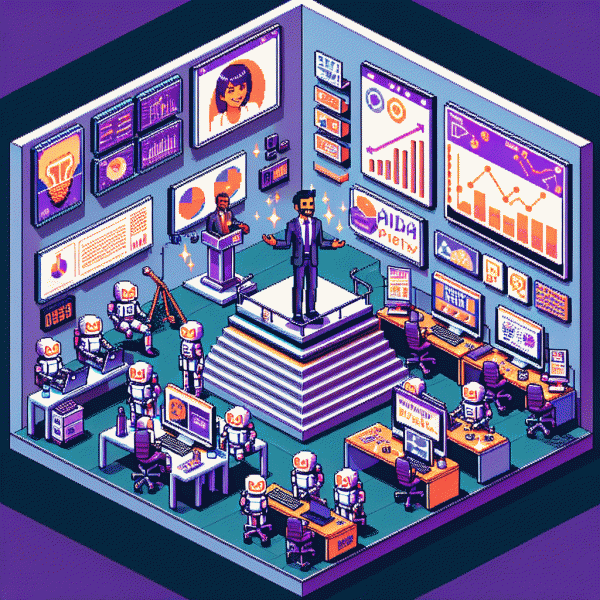
From Ugh to Ahh: Automations That Kill Repetitive Tasks
Stop letting the admin treadmill run your day. When campaigns need the same tweaks every Monday, when creatives multiply into dozens of variants, and when manual reporting sucks time from strategy, automation is the espresso shot your team needs. Smart tools take over the repeatable heavy lifting so you can focus on big ideas and client wins.
Start by mapping the chores that eat time: creative resizing, headline swaps, bid adjustments, and daily performance checks. For each chore, pick a rule or a model, set safety guardrails, and give it a testing window. The goal is not to remove humans, it is to elevate them into decision makers who review recommendations instead of executing rote tasks.
Practical automations to adopt first:
- 🤖 Creative: Auto-generate image and copy variants from templates and performance data to keep ad fatigue low.
- ⚙️ Testing: Run automated A/B cycles with statistical stopping rules so you do not guess.
- 🚀 Scale: Auto-adjust budgets and bids based on real-time signals to capture momentum without constant babysitting.
Ship one automation at a time, measure impact, then expand. Within weeks you will reclaim hours, cut costs, and have time to craft the campaigns that deserve applause. Let machines do the boring stuff and make your work the part clients remember.
Set It, Forget It: Bids, Budgets, and A/B Tests on Autopilot
Algorithms love boring repetition, which is great news for anyone tired of manual bid tweaks at 3 AM. Start by translating your goals into measurable targets—CPA, ROAS, or a simple conversion rate—and lock those into your campaign settings. Give automated bidding a sensible leash: set daily caps, pacing limits, and minimum conversion windows so the machine can learn without going on a spending spree.
Next, create guardrails that let the bot explore while you retain final say. Use audience exclusions, blacklist poor performing placements, and set creative rotation rules so assets do not cannibalize each other. If you want a quick testbed or an easy boost to traffic while the models learn, check the best instagram boosting service for rapid, low-friction scaling options that play nicely with bidding automation.
- 🆓 Free: start with automated rules that only alert you, never change spend, to build trust.
- 🐢 Slow: use conservative budget ramps and weekly learning windows to avoid false negatives.
- 🚀 Fast: let bandit-style optimizers reallocate spend in real time once confidence thresholds are met.
A/B testing under autopilot is less about splitting hairs and more about clean hypotheses. Test one variable at a time, set minimum sample sizes, and let adaptive allocation move impressions toward winners. Treat creative as the human strength: feed the machine solid variations, then let multi-armed strategies prune losers automatically so you only amplify what works.
Finally, schedule lightweight checkins: weekly dashboards, anomaly alerts, and monthly strategy reviews. Celebrate the wins publicly, but keep a human in the loop to handle brand risks and high-level strategy. With clear KPIs and smart guardrails, AI will do the heavy lifting and you will take the credit.
Creative That Learns: Dynamic Ads That Build Themselves
Imagine ads that assemble themselves from your brand assets, learn which frames convert, and quietly retire what does not. Modern dynamic creative platforms do exactly that: they ingest images, headlines, and offers, stitch them into hundreds of combinations, and watch real user signals to rank winners. The result is far less manual tinkering and more systematic evolution—creative that adapts to audiences instead of guessing at them.
To make it work, treat assets like ingredients. Provide varied angles (product closeups, lifestyle shots, short clips), multiple headline tones (benefit, curiosity, social proof), and clear calls to action. Use descriptive filenames and tags so the system can recombine the right pieces, and supply simple variants of each visual and line of copy. Start with modular templates and bake in brand rules—colors, logo placement, and voice—so automation delights without derailing identity.
Turn the output into a learning loop: feed performance back into the model, favor what reduces cost per acquisition, and keep a small exploration budget for novel ideas. Track CTR, conversion rate, and ROAS per creative variant, and enforce minimum impression thresholds before killing experiments. Automated pruning plus scheduled human review prevents premature cuts and keeps the machine honest while it refines patterns you could never manually spot.
Roll out in phases: pilot on one campaign, scale clear winners to adjacent audiences, then broaden. Automate reporting to surface insights that inform product teams and copywriters, and rotate creative pools monthly to avoid fatigue. Reserve time for deliberate creative experiments the algorithm can test. Let the system sweat the permutations while you steer strategy, showcase the wins, and take the credit for smarter, faster creative.
Plug It In: Tools and Workflows to Start in 24 Hours
Ready to swap busywork for impact? In the next 24 hours you can wire together a practical, repeatable AI ads workflow that frees up your calendar and delivers measurable lifts. Pick one clear objective, grab the data you already have (top creatives, landing page, audience lists), and commit to running tiny, timeboxed tests instead of perfect campaigns.
Think in modules: creative generation, headline and CTA optimization, audience expansion, bid automation, and lightweight analytics. For each module choose a single tool that integrates with your ad platform or your workflow runner. Favor template-driven tools that produce consistent outputs you can iterate on, and use cloud storage or a shared folder for version control so collaborators can comment, not recreate.
Here are three starter stack ideas to plug in today and see movement by tomorrow:
- 🆓 Free: Use a free GPT-based copy generator plus a basic image template editor to produce 20 headline+visual combos.
- 🚀 Fast: Connect an automated A/B testing tool to launch 6 variants, then let an ad optimizer allocate spend to winners.
- ⚙️ Automate: Hook up a rule engine for bid adjustments and a webhook that ships performance summaries to your Slack or email.
Sample 24-hour workflow: hour 0–2 collect assets and pick KPIs; 2–6 generate 15–30 creatives and three audience seeds; 6–10 set up campaigns with lightweight naming conventions and conversion tags; 10–18 let the optimizer run while logging metrics; 18–24 review, pause losers, scale winners, and snapshot learnings for tomorrow.
Two final hacks: keep the first experiment budget tiny and force a decision rule (e.g., pause variants below 0.5% CTR), and document learnings in one line so you can credit the wins to your strategy — robots do the boring stuff, you take the credit.
Proof It Works: Metrics to Watch and What to Stop Doing
Numbers are the receipt AI hands you after a campaign—read them. Track a tight trio: click-through rate, conversion rate (micro and macro), and cost per acquisition. Watch trends, not daily blips; A/B tests need statistically useful windows. Set minimum sample sizes and let the model iterate while you interpret the story behind the uplift.
Layer in efficiency metrics: return on ad spend, lifetime value to CAC ratio, and creative-level engagement. Flag campaigns where CTR climbs but conversions stall—usually a landing page or mismatch, not creative failure. Use weekly checks for spend pacing and hourly for delivery issues. Set automated alerts on CPA spikes so you fix leaks, not guess them.
Stop glorifying vanity wins like impressions, raw likes, or follower counts that don't drive action. Stop tweaking every variable at once; that kills learnings. Stop letting outliers rewrite your strategy—don't pause a winning test for a single bad day. And stop manually rotating creatives when an algorithm can test hundreds of variants faster and smarter.
Do this instead: pick three KPIs tied to revenue, automate monitoring, and run short controlled experiments. Use AI to surface winning combos and to cut the boring grunt work, but keep final judgment human. Measure lift, not noise, and you'll spend less time firefighting and more time taking credit—legitimately.